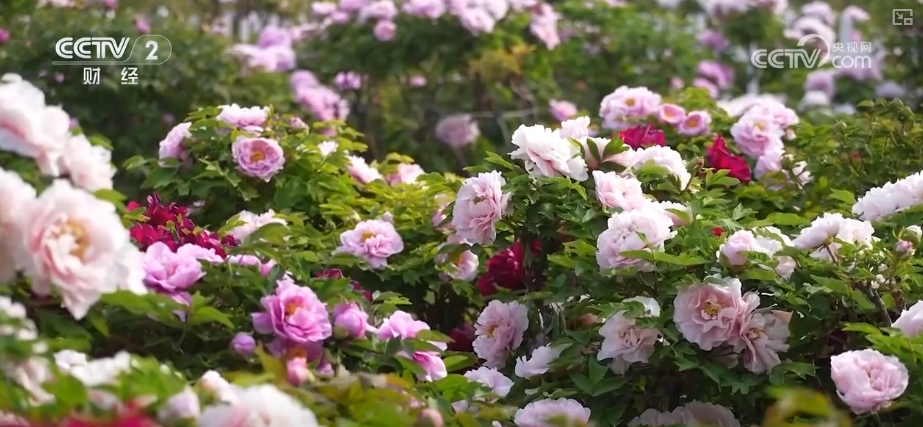
芍药花

Search documents
花市 买得一枝春欲放
Bei Jing Ri Bao Ke Hu Duan· 2026-02-25 00:06
Core Viewpoint - The article explores the historical evolution and cultural significance of flower markets in China, highlighting their development from ancient times to the present day, particularly focusing on major cities like Guangzhou and Beijing. Historical Development - The history of flower markets can be traced back to the Jin Dynasty with the "Flower Festival," which celebrated the birthday of flowers and involved outdoor activities like flower viewing [5] - The first large-scale flower market emerged in the Tang Dynasty in Guangzhou, where local residents cultivated various flowers and established a trading network [6] - By the Song Dynasty, flower markets flourished, with Guangzhou and Bianjing (Kaifeng) becoming prominent centers for flower trade, showcasing a variety of flowers and attracting many buyers [10][11] Cultural Significance - Flower markets became integral to cultural celebrations, especially during the Lantern Festival, where vibrant displays of flowers and lights created a festive atmosphere [11] - The demand for flowers grew significantly during the Southern Song Dynasty, leading to the establishment of specialized flower markets and a thriving flower trade [12][13] - The Ming and Qing Dynasties saw flower markets reach new heights, with cities like Suzhou and Guangzhou becoming major flower production areas, reflecting the cultural appreciation for flowers in daily life [15][16] Modern Developments - In the modern era, Beijing's flower market has expanded significantly, with numerous shops and a wide variety of flowers available, catering to the growing demand from the public [19][20] - Today, flower markets across China, including those in Luoyang and Chengdu, continue to thrive, symbolizing the people's aspirations for a beautiful life [21]

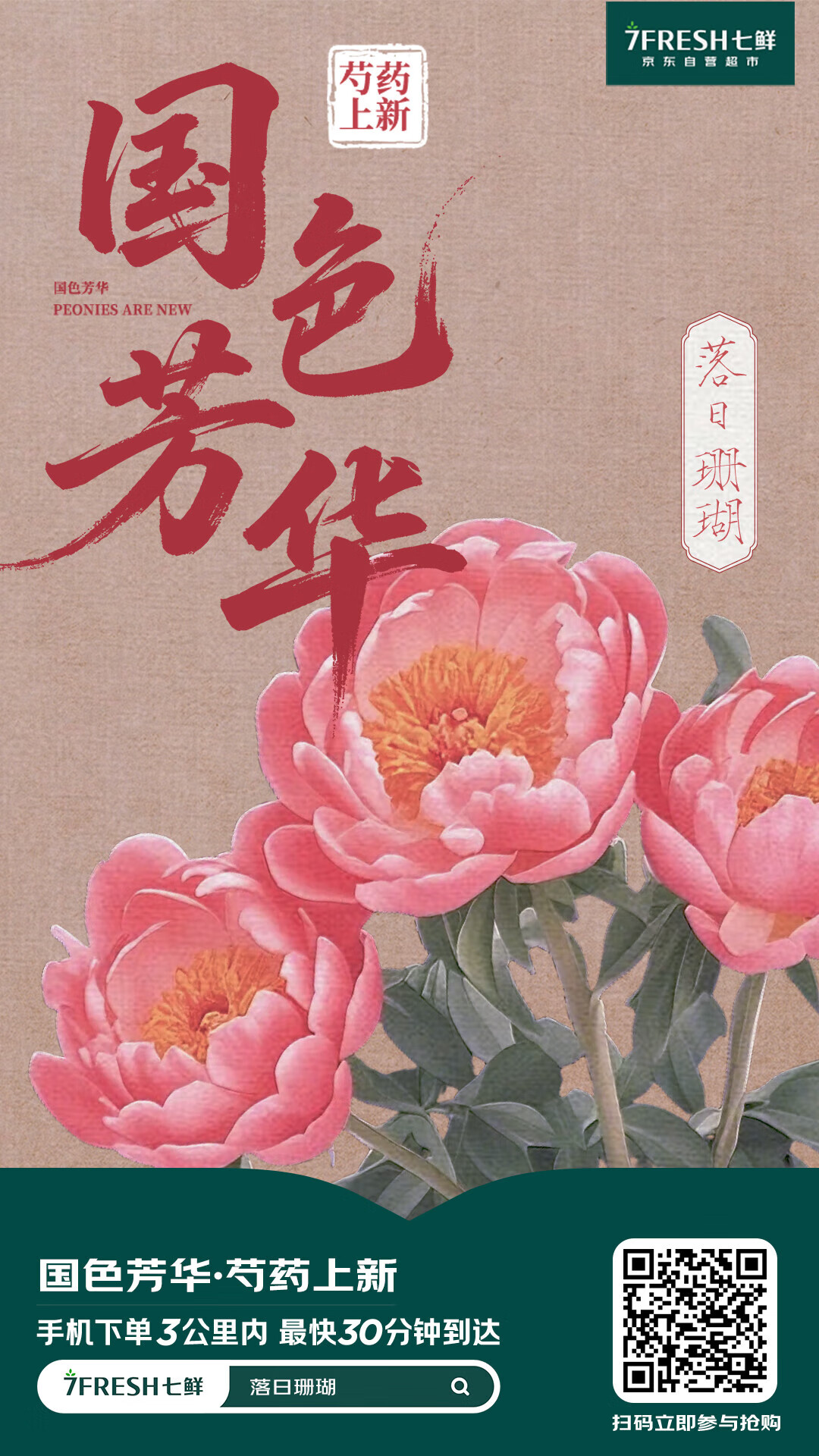
京东七鲜"繁花计划"深耕菏泽 落地全国首个“京东七鲜芍药直采合作加工中心”
Zhong Jin Zai Xian· 2025-05-13 09:15
Core Insights - JD Fresh has launched the "Peony Direct Sourcing and Processing Center" in Heze, Shandong, enhancing the supply chain for fresh flower shopping by integrating direct sourcing, processing, cold chain logistics, and immediate fulfillment [1][3] - The "Peony Blooming" live streaming event allows consumers to experience the planting environment and quality of Heze peonies directly from the fields, promoting a new purchasing model [1][3] Group 1 - JD Fresh offers a variety of peony options, including Shandong double-petal peonies and others, positioning itself as a leading player in the fresh flower market this year [3] - The company leverages direct sourcing advantages to reduce costs through economies of scale, maintaining a pricing strategy that significantly undercuts competitors [4] Group 2 - The "No Bloom, No Pay" service guarantees consumer satisfaction by allowing refunds if the flower buds do not bloom satisfactorily within a specified period, enhancing consumer trust [4] - Consumers can order through the JD APP or other platforms, benefiting from rapid delivery services, including a 30-minute delivery option and promotional discounts for new users [4] - The shift in consumer behavior sees flowers transitioning from seasonal gifts to everyday items, with JD Fresh aiming to capitalize on this trend through its "Flower Plan" [4]

瓷上“生花”笔上“绘花” 一朵花汇聚百亿级产业集群光芒
Yang Shi Wang· 2025-04-14 10:58
Core Viewpoint - Shandong Heze, with a 1500-year history of peony cultivation, is a significant production base for peonies in China, attracting numerous tourists during the blooming season [1] Group 1: Tourism and Visitor Engagement - The peak blooming season for peonies occurs in mid-April, with over 110,000 peony plants in the Caozhou Flower Garden, receiving more than 10,000 visitors daily since opening on April 1 [4] - Visitors enjoy the diverse and colorful peonies, capturing beautiful moments through photography and immersing themselves in the floral environment [7] - Various themed activities, including intangible cultural heritage experiences and music performances, enhance the visitor experience, making it enjoyable and interactive [9] Group 2: Economic Impact and Industry Growth - Heze has cultivated 9 color systems, 10 flower types, and 1,308 peony varieties, significantly boosting the local tourism industry [11] - The area has expanded its peony and medicinal herb planting area to 460,000 acres, focusing on extending the "flower economy" for greater economic value [12] - The rise in sales of fresh-cut peonies and medicinal herbs is closely linked to changing consumer habits, with direct sales through e-commerce live streaming increasing demand and prices [17] Group 3: Deep Processing and Product Development - The value of peonies extends beyond their bloom, with a focus on comprehensive development post-harvest, leading to an annual output value of 2 billion yuan [20] - Heze has developed a complete industrial chain with over 120 companies involved in peony production, processing, and export, generating more than 100,000 jobs [22] - The annual sales of deep-processed peony products are growing at a rate of 30% [24] Group 4: Cultural and Creative Industries - Cultural revitalization has injected new vitality into Heze's peony industry, with creative products like peony-themed fridge magnets and incense attracting tourists [25][27] - The traditional craft of peony porcelain, made from white porcelain clay, is gaining popularity among younger generations, with new products being developed for modern consumers [28] - The peony painting industry in Jiyu County has become a pillar industry, with an annual output value of 4.5 billion yuan, exporting to over 40 countries [30] Group 5: Economic Milestones - The total output value of Heze's peony industry surpassed 10 billion yuan in 2022 and is projected to exceed 13 billion yuan by 2024 [32]