葡萄酒文化

Search documents
记者回乡记 | 一马当先,塞上江南酒香浓
Xin Lang Cai Jing· 2026-02-23 23:45
Core Insights - The article highlights the growth and significance of the wine industry in Ningxia, particularly focusing on the Zhihui Yuanshi Winery, which has become a notable player in the Chinese wine market [2][4]. Industry Overview - Ningxia produces 140 million bottles of wine annually, accounting for nearly half of China's total production, with a comprehensive economic benefit of 45 billion yuan [3]. - The region has created approximately 130,000 jobs and generated over 1 billion yuan in wage income for local farmers [3]. Winery Highlights - Zhihui Yuanshi Winery, established by a local entrepreneur, has an annual sales revenue exceeding 50 million yuan and attracts around 500,000 visitors each year [4]. - The winery is designed in a traditional Han architectural style and utilizes local materials, showcasing a commitment to environmental sustainability [4]. Cultural Significance - The winery not only contributes to the local economy but also enhances Ningxia's cultural tourism appeal, presenting a unique aspect of the region's identity [4][5]. - The wine tasting experience at the winery connects visitors with historical references to wine in Chinese literature, enriching the cultural experience [5].

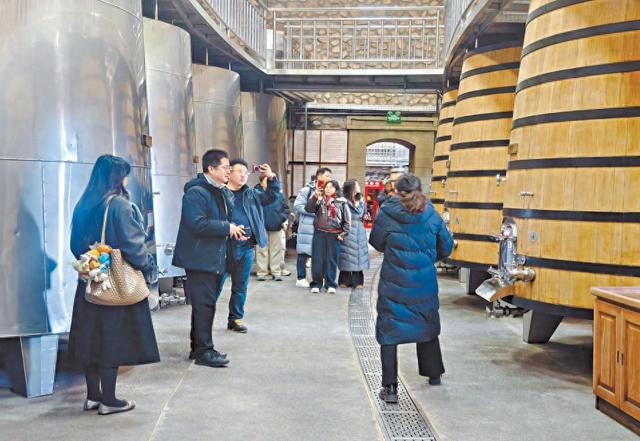
贺兰山下明星酒庄每年接待50万游客,宁夏葡萄酒魅力何在?
Xin Lang Cai Jing· 2026-02-23 03:10
Core Viewpoint - The Ningxia region, particularly the Helan Mountain area, has emerged as a significant player in the global wine industry, with over 60% of China's international wine awards attributed to its wines, showcasing its potential for investment and growth in the sector [1][3]. Industry Overview - Ningxia produces 140 million bottles of wine annually, accounting for nearly half of China's total wine production, with a comprehensive economic benefit of 45 billion yuan, providing approximately 130,000 jobs and generating over 1 billion yuan in wage income [3]. - Since 2011, over 60 wineries in the region have won more than 1,800 awards at international wine competitions, representing over 60% of China's total awards [3]. Company Insights - The Zhihuiyuan Stone Winery, located in the Helan Mountain area, has an annual sales revenue exceeding 50 million yuan and attracts around 500,000 visitors each year, creating thousands of jobs [4][5]. - The winery was established on previously barren land, transforming it into a thriving business that emphasizes ecological restoration and tourism [4]. Cultural Significance - The Ningxia wine industry is positioned as a unique cultural asset, enhancing the region's reputation and attracting tourists, thereby contributing to the local economy and cultural heritage [5]. - The winery's tasting hall features historical references to wine in Chinese literature, connecting the past with the present and enhancing the visitor experience [8].
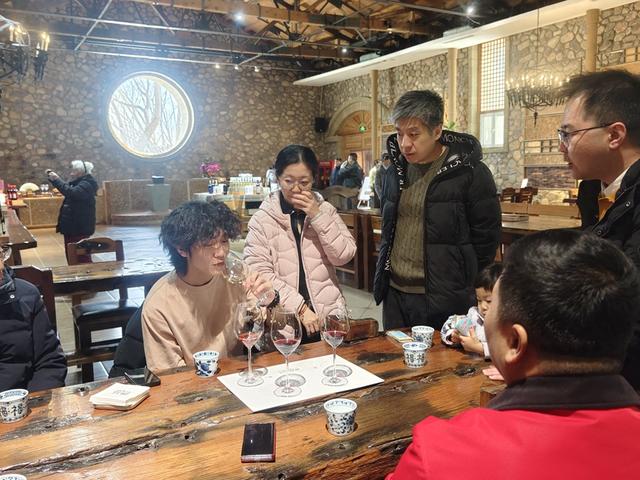
新年伊始,贺兰山东麓葡萄酒以风土谋“出圈”
Xin Hua Wang· 2026-01-04 09:48
Core Insights - The Ningxia Helan Mountain East region aims to enhance its wine industry by emphasizing the unique characteristics of individual wineries while leveraging the overall advantages of the region [1] - Domestic wine consumption is expected to increase due to favorable policies aimed at boosting domestic demand, with wineries actively expanding their sales channels both domestically and internationally [1] - The region has a total vineyard area of 606,000 acres, with 130 established wineries producing 140 million bottles of wine annually [1] Group 1 - The Ningxia region is implementing a "large region + small winery" development model to cultivate a regional public brand for Helan Mountain East wine [1] - The region has developed wine tourism complexes such as the Tulando Wine Town and Helan Mountain Lodge, attracting over 3 million visitors annually [2] - The comprehensive output value of the wine industry in Ningxia has reached 45 billion yuan [2] Group 2 - Initiatives like "wine into thousands of stores" are being rolled out to increase the accessibility of local wines [2] - Ningxia Helan Mountain Dong International Winery plans to launch a new product that incorporates Minnan culture, targeting the local wedding market [2] - The winery aims to tell compelling stories about its products to achieve market breakthroughs [2]
杯中琥珀光传播路漫长
Xin Lang Cai Jing· 2025-12-26 16:59
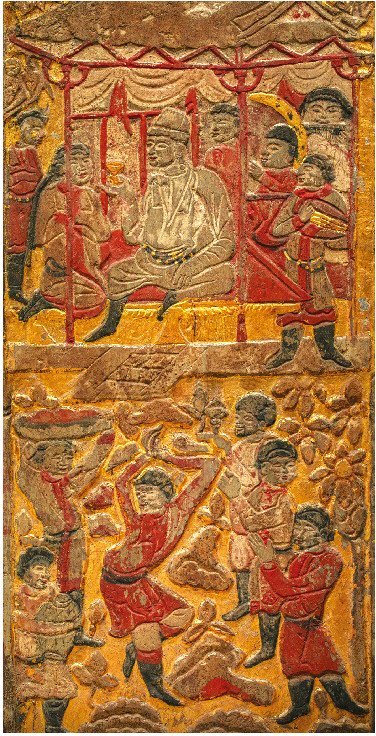
Core Viewpoint - The history of wine in China dates back over 9,000 years, indicating that wine is not solely a Western invention but has multiple origins across the Eurasian continent, highlighting a history of cultural exchange [3][4][15]. Group 1: Historical Evidence - Archaeological findings at the Jiahu site in Henan province revealed the world's oldest alcoholic beverage, made from rice, honey, and wild fruits, predating the traditional view that wine originated in the Near East [4][5]. - The discovery of 110 charred grape seeds at the Jiahu site suggests that grapes played a significant role in the diet and fermentation practices of early Chinese civilizations [5][6]. - The Jiahu mixed wine is not considered pure grape wine but rather a hybrid, similar to other ancient mixed wines found in Eurasia, indicating that early Chinese people utilized the fermentation properties of grapes [6][10]. Group 2: Archaeological Sites and Findings - The Linyang River and Liangcheng Town sites provide additional insights into the fermentation history in central China, with evidence of complete sets of brewing vessels discovered, indicating advanced brewing practices [8][9]. - At Liangcheng Town, chemical analysis of pottery revealed a mixed alcoholic beverage similar to Jiahu wine, suggesting a continuity of fermentation practices across regions [10]. - The findings from the Astana cemetery in the Turpan region indicate a well-established grape cultivation and wine culture, with evidence of large-scale vineyards and advanced winemaking techniques predating the Han Dynasty [12][13]. Group 3: Cultural Significance - The evolution of wine in China reflects broader cultural and civilizational exchanges, with wine becoming a significant part of social and ritual practices [6][14]. - The popularity of wine increased over time, transitioning from a luxury item for the elite to a widely consumed beverage, particularly during the Tang Dynasty [14][15]. - The unique qualities of wine, such as its long shelf life and pleasant aroma, contributed to its cultural value and consumption trends, influencing social practices and traditions [14].
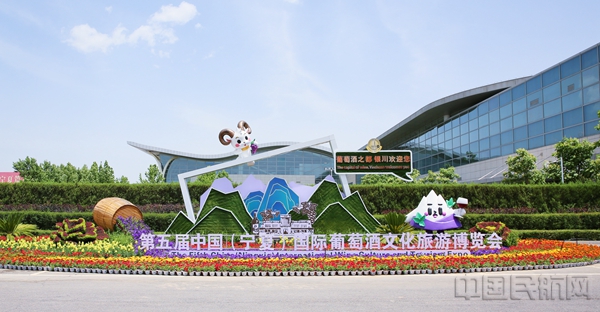
银川机场真情护航第五届中国(宁夏)国际葡萄酒文化旅博会
Zhong Guo Min Hang Wang· 2025-06-13 02:50
Core Viewpoint - The 32nd Brussels International Wine Competition and the 5th China (Ningxia) International Wine Culture and Tourism Expo were held in Yinchuan, showcasing global wine culture and highlighting Ningxia's unique charm and openness [1][3]. Group 1: Event Overview - The event took place from June 9 to June 12, attracting judges and guests from around the world to Yinchuan [1]. - The expo serves as an important platform for promoting Ningxia's wine industry and tourism [3]. Group 2: Airport Operations - Yinchuan Airport implemented a "checklist management + closed-loop promotion" model to enhance aviation services during the event, detailing responsibilities and quantifying tasks [5]. - The airport increased flight frequency and improved flight execution rates, opening new routes to Southeast Asia, including flights to Thailand and Laos [6]. - Daily flight operations during the expo met the aviation service demands, with the airport providing timely flight information and passenger support [6]. Group 3: Guest Services - Yinchuan Airport prepared personnel and material resources in advance to offer tailored services for different guests, including a dedicated reception area and expedited security checks [7]. - The airport established a "front-end connection - exclusive channel - closed-loop transfer" mechanism for VIP guests, ensuring a seamless experience [7]. - Various commercial offerings and enhanced transportation services were implemented to reduce waiting times for passengers [7]. Group 4: Promotion of Wine Culture - The airport decorated key areas with wine-themed displays and promotional materials, enhancing passenger awareness and engagement with the expo [7]. - Continuous efforts were made to improve service quality and address public concerns regarding air travel, contributing positively to the promotion of Ningxia's wine industry [8].