虚荣尺码

Search documents
女装“装不下”女性了吗?
Hu Xiu· 2025-07-13 00:13
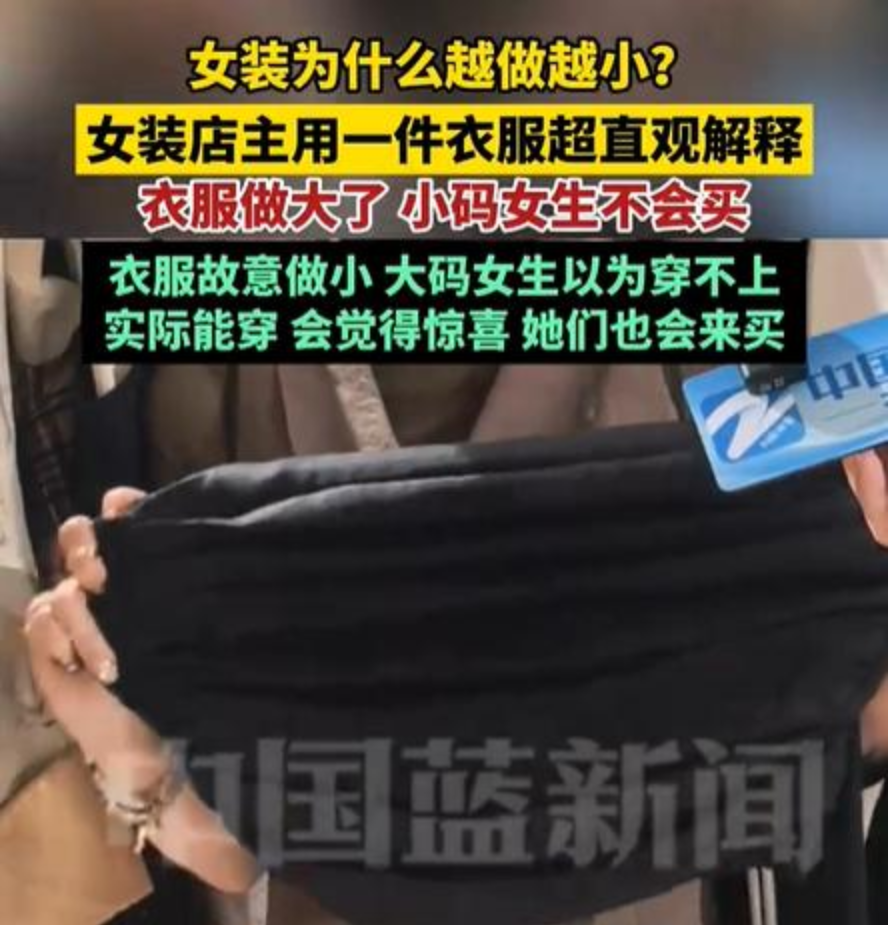
Core Viewpoint - The shrinking size of women's clothing is a significant issue in the fashion industry, driven by marketing strategies and societal beauty standards, leading to increased consumer anxiety and dissatisfaction [2][11][30]. Group 1: Size Confusion in Women's Clothing - The women's clothing market has surpassed 1.1 trillion, yet many women struggle to find clothes that fit due to a confusing sizing system [4][11]. - A social media trend highlights that women's clothing sizes have been shrinking over the years, with consumers reporting needing larger sizes for the same style of clothing [5][6]. - The number of size options varies significantly by clothing type, with pants offering the most choices, while dresses and skirts provide the least [8]. Group 2: Marketing Strategies Behind Size Reduction - The trend of smaller sizes is partly a marketing strategy, where brands intentionally label clothing smaller to create a sense of surprise and satisfaction among consumers [2][32]. - Historical context shows that the standardization of clothing sizes has not kept pace with changes in women's body measurements, leading to a disconnect between actual sizes and labeled sizes [28][29]. - The phenomenon of "vanity sizing" is prevalent, where retailers label clothing with smaller sizes than actual measurements to appeal to consumer psychology [35][36]. Group 3: Impact on Consumer Behavior - The shrinking sizes have led to increased return rates, with reports indicating that return rates for women's clothing can reach as high as 80% [47]. - Many consumers express frustration and anxiety over the inability to find suitable sizes, leading to a cycle of purchasing and returning items [31][47]. - The pressure to conform to a narrow standard of beauty exacerbates body image issues among women, as smaller sizes are often equated with attractiveness [44][45]. Group 4: Call for Change - There is a growing demand for standardized sizing and transparency in size labeling to alleviate consumer confusion and anxiety [31][49]. - Some brands are beginning to respond by offering more inclusive sizing options and promoting body positivity [31][49]. - The industry is urged to embrace body diversity and move away from the "smaller is better" mentality to foster a healthier consumer culture [49].

为啥女装越做越小
Xin Jing Bao· 2025-06-16 03:07
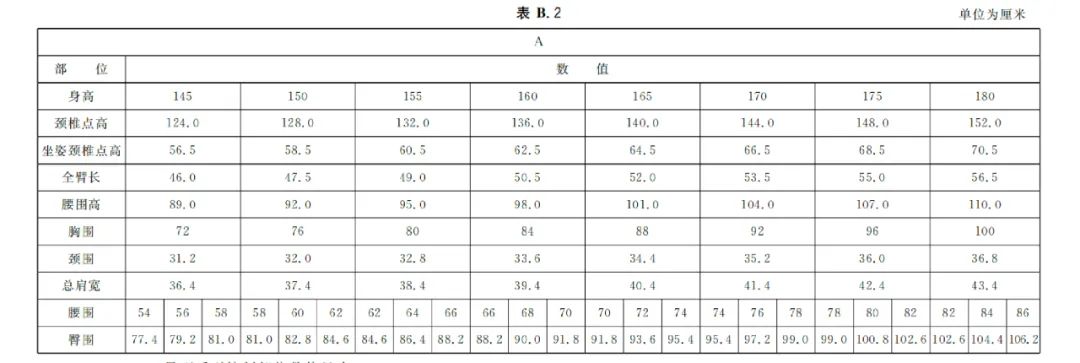
打开社交平台,"160cm、90斤穿L码""明明没发胖却要穿加大码"的吐槽帖屡见不鲜,相关热搜话题阅读量已超过10亿次。 越来越多消费者吐槽,曾经的"标准码"如今变得格外"紧凑"——标注M码的连衣裙胸围比十年前小了4厘米,L码裤腰甚至容不下正常的腰围。 一边是大众高呼追求健康力量型身材,倡导多元审美,另一边是服装店货架上越来越"迷你"的尺码标签,这种逆向生长的"尺码悖论",正成为困扰千万女 性消费者的穿衣难题。 女装尺码的集体"缩水"导致退货率飙升,这场由"虚荣尺码"引发的连锁反应,不仅折射出"白瘦幼"审美对女性身体的隐性规训,更暴露出服装行业在标准 化体系、生产逻辑与消费者需求之间的深层矛盾。 女装尺码越来越小 是女性越来越纤瘦了吗? 这两年来,不少消费者反映,在购买女装时发现原本适合的尺码变得偏小,需要选择更大的尺码才能正常穿着。 在社交平台上,有网友反映,明明身材没有变化,却频繁遇到衣服穿不上、需要换更大尺码的情况。许多女性不堪其扰,甚至出现了一些女性减肥瘦身, 只为了能挤进令人咋舌的狭窄尺码衣服的现象。 尺码"缩水"似乎正成为服装行业中一种普遍现象。 事实上,女装尺码存在国家标准,2008年修订的国家 ...