行业准入机制

Search documents
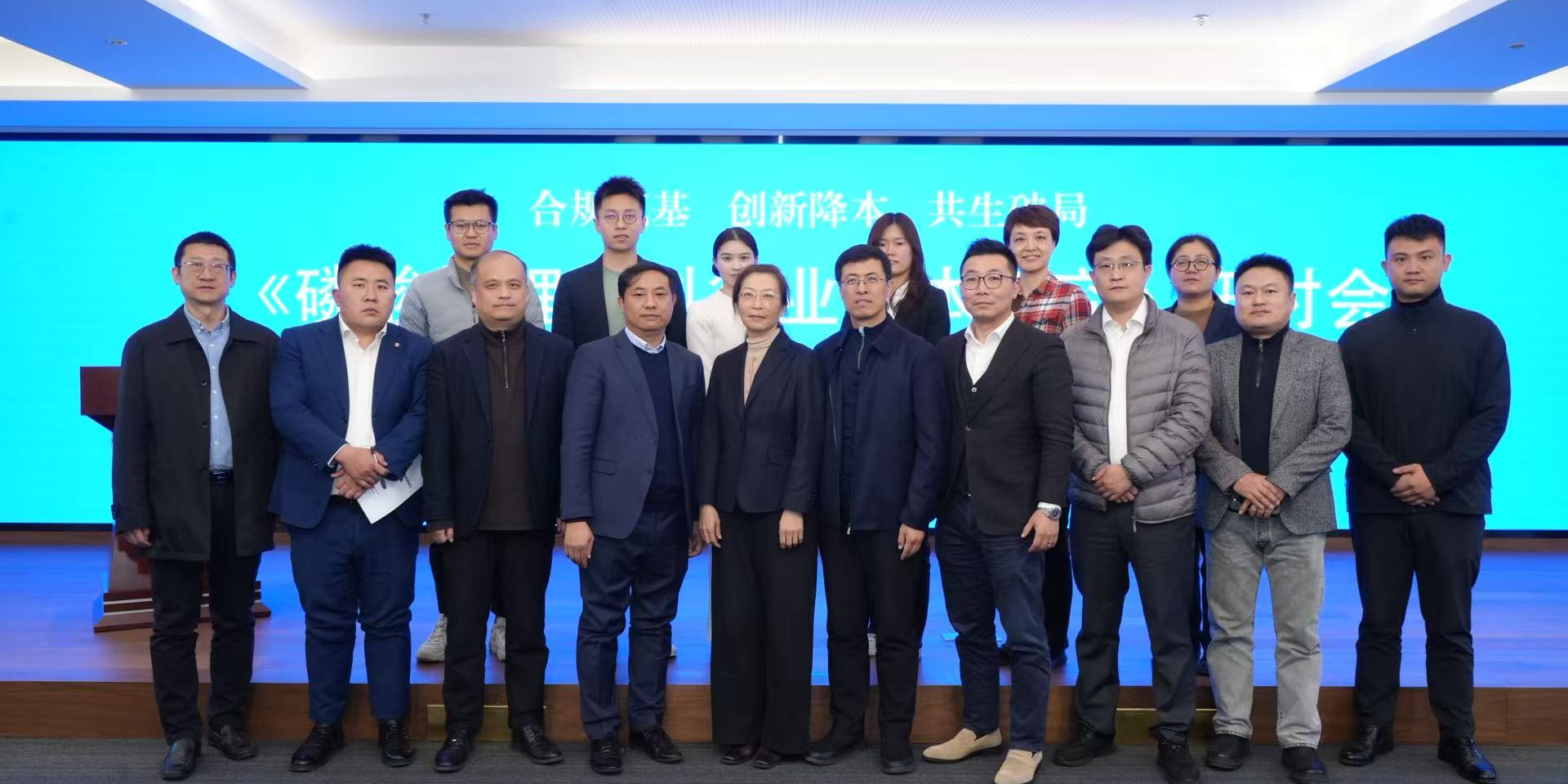
全行业亏损3年!反内卷达到高潮!七大磷酸铁锂企业聚首工信部抗议电芯龙头霸权!
起点锂电· 2025-11-20 10:49
Core Viewpoint - The lithium iron phosphate (LFP) battery industry is experiencing a paradox of soaring demand and continuous losses, with companies facing significant financial strain despite increased shipments [3][5]. Group 1: Industry Overview - The demand for electric vehicles and energy storage has surged, leading to a dramatic increase in LFP battery shipments, yet the industry has faced over 36 months of consecutive losses [3][5]. - The price of LFP materials has plummeted from 173,000 yuan/ton at the end of 2022 to 34,000 yuan/ton by August 2025, representing a decline of over 80% [5]. - Six listed companies in the sector have an average debt ratio of 67.8%, indicating severe financial pressure [5]. Group 2: Current Challenges - The average cost of LFP production has reached 15,600 yuan/ton, while market prices hover around 14,000 yuan/ton, resulting in losses of nearly 10% per ton sold [7]. - Companies are caught in a dilemma of either accepting orders at a loss or not taking orders and still incurring losses, exacerbated by intense competition and rising raw material costs [8]. - The industry is facing a lack of new investment and increased bargaining power from battery manufacturers, which further complicates pricing dynamics [7][8]. Group 3: Technological Developments - Despite the financial challenges, companies are focusing on technological advancements, particularly in high-pressure LFP products, which are seen as crucial for survival [11]. - Leading companies have begun to master third-generation technologies, with some reporting significant increases in production and sales of new product lines [11]. - The performance of companies varies widely, with some like Hunan YN and Fengyuan Lithium Energy showing profitability, while others continue to struggle [10][11]. Group 4: Strategic Initiatives - Industry representatives have proposed three key initiatives to combat the current challenges: rebuilding market pricing logic based on costs, promoting innovation in new technologies, and ensuring balanced supply and demand [14]. - Cost control measures discussed include establishing long-term orders with suppliers, optimizing production processes, and reducing operational expenses [14]. - The focus on high-pressure LFP and manganese iron phosphate technologies is seen as a pathway to improve performance while managing costs effectively [14].


铁锂“七雄”谋涨价,聚首工信部抗议电芯“霸权”
Jing Ji Guan Cha Wang· 2025-11-19 08:50
Core Insights - The lithium iron phosphate (LFP) industry is facing a critical dilemma with a surge in demand for electric vehicles and energy storage, contrasted by over three years of continuous losses among material companies [2][3] - LFP materials account for nearly 74% of the cathode material shipments, with a 99.9% share in the energy storage sector, making it a crucial material in China's lithium battery landscape [2] - The price of LFP materials has plummeted from 173,000 yuan/ton at the end of 2022 to 34,000 yuan/ton by August 2025, representing a decline of over 80% [2] - The average debt ratio of six listed companies in the sector stands at 67.8%, indicating significant financial strain [2] Industry Challenges - The current cost of LFP production has reached 15,600 yuan/ton, while market prices hover around 14,000 yuan/ton, leading to losses of nearly 10% per ton [2] - Rising costs of upstream raw materials like ferrous sulfate and sulfur are exacerbating the situation, while downstream battery manufacturers are pressuring material suppliers to keep prices low [8][9] - The industry is experiencing a capacity utilization rate of less than 50%, with actual production at around 230,000 tons against a capacity nearing 470,000 tons [8] Demand Growth - The demand for LFP is expected to grow significantly, with projections of approximately 370 million tons in 2023 and an increase to between 510 million and 530 million tons in 2024 [5] - The penetration rate of electric vehicles in the domestic market has surpassed 45%, and stringent safety standards for battery performance are expected to further boost LFP demand [4] - The energy storage sector is anticipated to see a 60% year-on-year increase in installed capacity by 2025, with global demand for energy storage batteries projected to rise by 30% in 2026 [4] Competitive Landscape - Chinese LFP products maintain a dominant position globally due to advantages in technology, cost, and supply chain, despite attempts by other countries to reduce reliance on Chinese products [6] - In the first nine months of 2025, China's lithium-ion battery exports reached $55.38 billion, a year-on-year increase of 26.75%, with Europe, Asia, and North America accounting for 90% of exports [6] - New entrants from traditional industries are increasing competition, with some companies planning larger production capacities and benefiting from better financing options [9] Technological Advancements - Ongoing advancements in LFP technology, including high-density and cobalt-free variants, are expected to enhance market offerings, with a shift from fourth-generation to fifth-generation products underway [7] - The industry is also focusing on improving production efficiency and reducing costs through technological innovations [7] Strategic Responses - The establishment of the LFP Materials Subcommittee aims to address industry challenges by auditing costs and providing transparent pricing data to help companies set reasonable prices [11] - There is a consensus among industry players that collective price increases are necessary to counteract losses and improve financial health [12][13] - Companies are beginning to control production capacity to stabilize prices, with some already implementing self-restraint in output [12]