
成本指数

Search documents
铁锂龙头齐发声,湖南裕能、万润新能将谨慎把握扩产节奏-20251125
Quan Jing Wang· 2025-11-25 11:59
Core Insights - The industry is moving towards a more rational pricing ecosystem with the establishment of a cost index for lithium iron phosphate materials, which aims to provide transparent value references for companies and assist in market decision-making [2][3][5] Group 1: Industry Developments - The China Chemical and Physical Power Industry Association has released a cost index for lithium iron phosphate materials, based on audited data from seven leading companies, indicating an average cost range of 15,714.8 to 16,439.3 yuan per ton (excluding tax) [2] - The association's initiative aims to curb "involution" and promote quality competition over scale competition within the industry [3] Group 2: Company Responses - Leading companies, including Hunan YN and Wanrun New Energy, have responded positively to the association's call for cautious capacity expansion, emphasizing the need to align production with market conditions and profitability [4] - Hunan YN and Wanrun New Energy have both stated their commitment to carefully manage capacity layout and expansion decisions based on market demand and industry trends [4] Group 3: Future Outlook - With the establishment of the cost index and the cautious expansion stance of leading companies, the lithium iron phosphate industry is expected to move away from long-standing "involution" and experience a price recovery trend [5] - The industry is anticipated to develop a dynamic balance of supply and demand, continuous technological innovation, and improved product quality, contributing to high-quality development in the new energy industry chain [5]




铁锂“七雄”谋涨价,聚首工信部抗议电芯“霸权”
Jing Ji Guan Cha Wang· 2025-11-19 08:50
Core Insights - The lithium iron phosphate (LFP) industry is facing a critical dilemma with a surge in demand for electric vehicles and energy storage, contrasted by over three years of continuous losses among material companies [2][3] - LFP materials account for nearly 74% of the cathode material shipments, with a 99.9% share in the energy storage sector, making it a crucial material in China's lithium battery landscape [2] - The price of LFP materials has plummeted from 173,000 yuan/ton at the end of 2022 to 34,000 yuan/ton by August 2025, representing a decline of over 80% [2] - The average debt ratio of six listed companies in the sector stands at 67.8%, indicating significant financial strain [2] Industry Challenges - The current cost of LFP production has reached 15,600 yuan/ton, while market prices hover around 14,000 yuan/ton, leading to losses of nearly 10% per ton [2] - Rising costs of upstream raw materials like ferrous sulfate and sulfur are exacerbating the situation, while downstream battery manufacturers are pressuring material suppliers to keep prices low [8][9] - The industry is experiencing a capacity utilization rate of less than 50%, with actual production at around 230,000 tons against a capacity nearing 470,000 tons [8] Demand Growth - The demand for LFP is expected to grow significantly, with projections of approximately 370 million tons in 2023 and an increase to between 510 million and 530 million tons in 2024 [5] - The penetration rate of electric vehicles in the domestic market has surpassed 45%, and stringent safety standards for battery performance are expected to further boost LFP demand [4] - The energy storage sector is anticipated to see a 60% year-on-year increase in installed capacity by 2025, with global demand for energy storage batteries projected to rise by 30% in 2026 [4] Competitive Landscape - Chinese LFP products maintain a dominant position globally due to advantages in technology, cost, and supply chain, despite attempts by other countries to reduce reliance on Chinese products [6] - In the first nine months of 2025, China's lithium-ion battery exports reached $55.38 billion, a year-on-year increase of 26.75%, with Europe, Asia, and North America accounting for 90% of exports [6] - New entrants from traditional industries are increasing competition, with some companies planning larger production capacities and benefiting from better financing options [9] Technological Advancements - Ongoing advancements in LFP technology, including high-density and cobalt-free variants, are expected to enhance market offerings, with a shift from fourth-generation to fifth-generation products underway [7] - The industry is also focusing on improving production efficiency and reducing costs through technological innovations [7] Strategic Responses - The establishment of the LFP Materials Subcommittee aims to address industry challenges by auditing costs and providing transparent pricing data to help companies set reasonable prices [11] - There is a consensus among industry players that collective price increases are necessary to counteract losses and improve financial health [12][13] - Companies are beginning to control production capacity to stabilize prices, with some already implementing self-restraint in output [12]
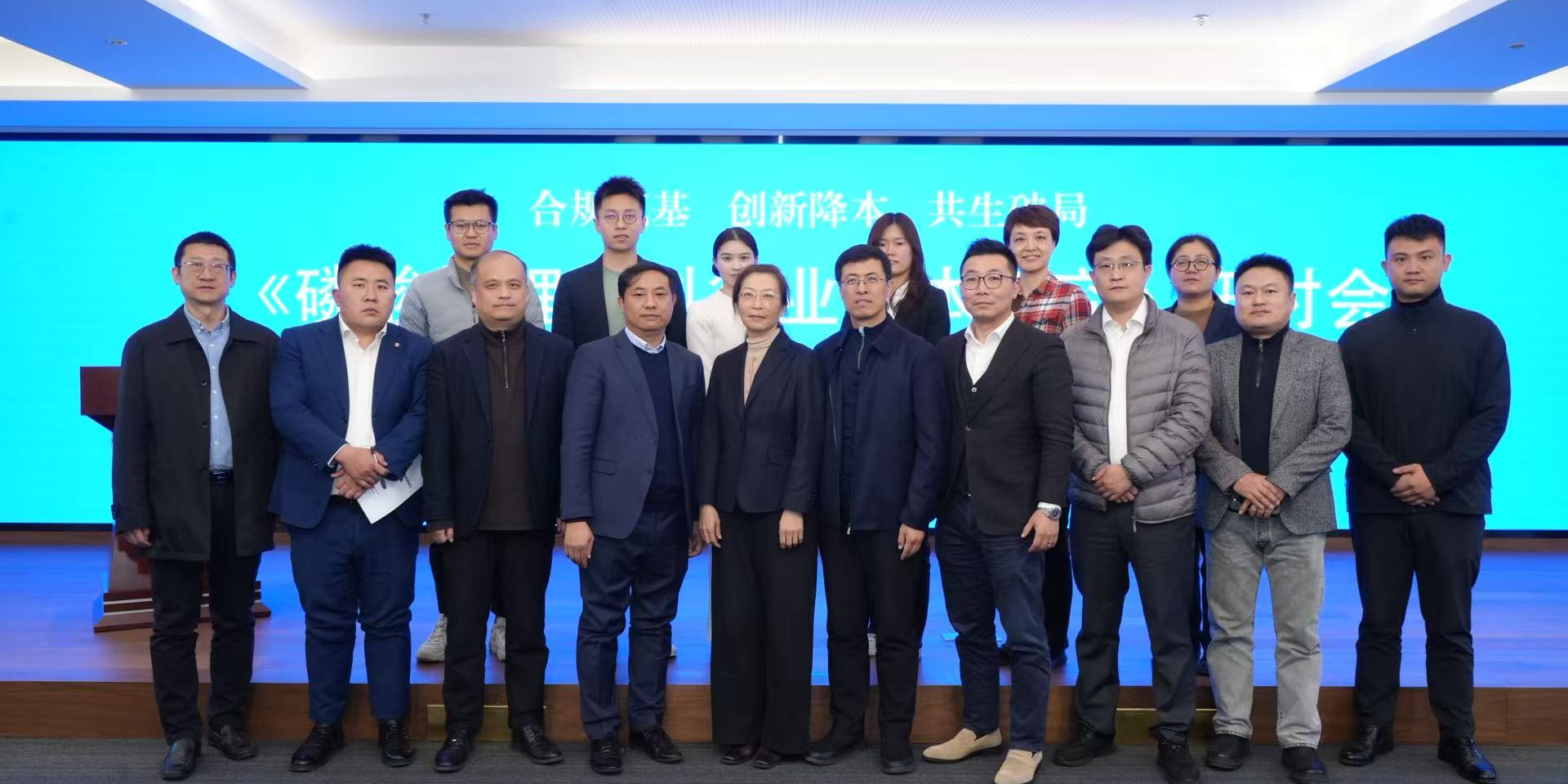
磷酸铁锂“增产不增收”困局如何破?这场研讨会直指成本核心
Zheng Quan Shi Bao Wang· 2025-11-19 07:26
Core Insights - Lithium iron phosphate (LFP) has become a mainstream technology for power and energy storage batteries due to its high safety, long cycle life, and cost advantages. However, since 2022, the LFP industry has entered a "production increase without revenue increase" cycle, leading to intensified competition within the industry [1][3]. Industry Overview - The lithium battery industry in China is experiencing strong growth, with lithium-ion battery exports reaching $55.38 billion from January to September 2025, a year-on-year increase of 26.75%. The penetration rate of domestic new energy vehicles has surpassed 45%, and energy storage installations have surged by 60% year-on-year, with the entire industry expected to exceed a market value of 3 trillion yuan [3]. - LFP materials account for nearly 74% of the cathode material shipments, providing a solid foundation for the electrification of transportation and the green transition of energy [3]. Market Challenges - Structural contradictions in the rapid development of the LFP industry are becoming increasingly prominent. From the end of 2022 to August 2025, the price of LFP materials plummeted from 173,000 yuan/ton to 34,000 yuan/ton, a decline of 80.2%. The industry has faced continuous losses for over 36 months, with an average asset-liability ratio of 67.81% among six listed companies [3]. - The soaring prices of upstream raw materials have not effectively transmitted to LFP companies. Downstream cell manufacturers often exert strong pressure on LFP companies to meet order demands, leading many firms to produce at a loss [3]. Competitive Landscape - The influx of numerous new entrants into the LFP industry is disrupting the existing market structure. Some new companies, lacking core technologies, can only produce relatively low-end products, further intensifying competition and leading to ongoing price wars [4]. Proposed Solutions - The industry association has proposed three collaborative action initiatives to address these challenges: 1. Rebuild market pricing logic using a cost index as a measurement tool, creating a comprehensive cost accounting system covering all aspects of the supply chain to provide transparent value references and curb malicious competition [4]. 2. Promote innovation and upgrades as a breakthrough, encouraging the industry to shift from scale competition to quality competition [4]. 3. Focus on supply-demand balance by establishing a capacity warning mechanism and fostering long-term strategic cooperation between material companies and downstream leaders to guide orderly capacity release [4]. Cost Structure Analysis - The cost structure of LFP materials shows that the main material accounts for the highest proportion, with material costs comprising 35%-40%, energy consumption and direct costs each around 19%, and other expenses at 16%. Auxiliary material costs are only 5%-6%. This cost index provides transparent value references for companies and precise data support for government regulation, enhancing market transparency and aiding decision-making for upstream and downstream enterprises [5][7].
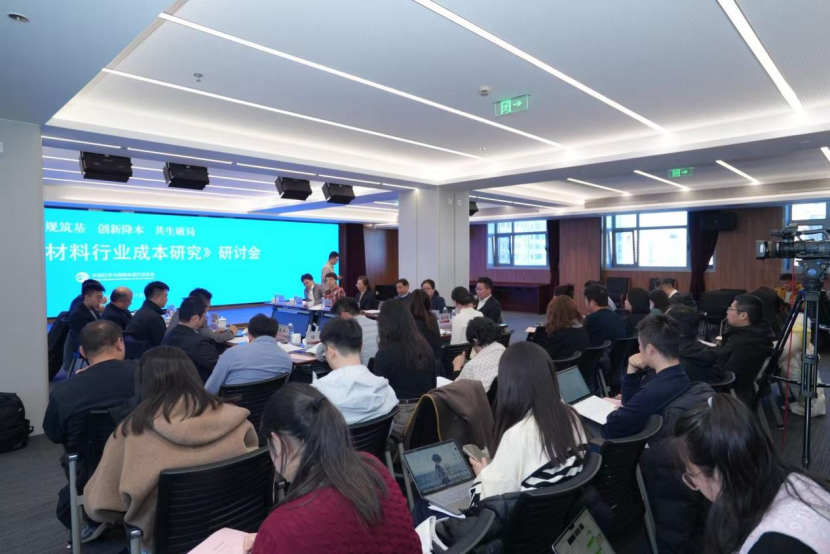
订单排到明年但利润承压 磷酸铁锂行业探讨“反内卷”
Di Yi Cai Jing· 2025-11-19 04:43
Core Insights - The lithium iron phosphate (LFP) materials industry is facing a "production increase without revenue increase" dilemma, prompting industry associations and leading companies to seek solutions [1] - A recent seminar highlighted the severe competition and profit pressure within the LFP sector, with companies experiencing over 36 months of continuous losses and an average debt ratio of 67.81% among six listed firms [1][3] Industry Challenges - The LFP materials sector is currently experiencing a significant shortage of chemical raw materials, leading to rising prices and a slowdown in production expansion [1] - The industry has been trapped in a cycle of overcapacity and homogenized competition since 2022, resulting in a stark contrast between costs and prices, making it the most profit-pressured segment of the lithium battery supply chain [3] - The average price of LFP materials has plummeted from 173,000 yuan per ton at the end of 2022 to 34,000 yuan per ton by August 2025, marking an 80.2% decline [3] Market Dynamics - Despite a strong growth momentum in the lithium battery industry, with a 26.75% year-on-year increase in lithium-ion battery exports reaching $55.38 billion in the first nine months of 2025, the LFP sector's cost pressures remain unresolved [3][4] - The top five companies in the LFP industry are operating at full capacity, yet only two are profitable, indicating an abnormal market condition [4] - The industry is expected to reach a production capacity of 370,000 tons this year, with the top companies' orders extending to 2026, but high asset-liability ratios hinder external financing for expansion [4] Proposed Solutions - The China Chemical and Physical Power Industry Association has proposed three collaborative action initiatives: 1. Establishing a cost index as a benchmark to rebuild market pricing logic and curb vicious competition [2][6] 2. Focusing on innovation to create new value growth avenues and shift from scale competition to quality competition [2][6] 3. Building a collaborative development ecosystem to balance supply and demand, with a forecasted 30% increase in global energy storage battery shipments by 2026 [2][6] Future Outlook - The association aims to develop a cost database for various segments of the industry to facilitate capacity supply-demand forecasting and promote a consensus on shared risks and benefits across the supply chain [7]
订单排到明年但利润承压,磷酸铁锂行业探讨“反内卷”
Di Yi Cai Jing· 2025-11-19 04:36
Core Insights - The lithium iron phosphate (LFP) materials industry is facing a "production increase without revenue increase" dilemma, prompting industry associations and leading companies to seek solutions [1] - A recent seminar highlighted the severe pressure on the LFP industry due to rising raw material costs and intense competition, leading to significant financial losses [1][3] - The industry has experienced over 36 months of continuous losses, with an average debt ratio of 67.81% among six listed companies [1][3] Group 1: Industry Challenges - The LFP materials sector is currently the most competitive and profit-constrained segment of the lithium battery supply chain, with a notable decline in prices from 173,000 yuan/ton to 34,000 yuan/ton, an 80.2% drop [3] - Despite a strong growth in lithium-ion battery exports, which reached $55.38 billion with a 26.75% year-on-year increase, the LFP industry struggles with overcapacity and low utilization rates, estimated at around 50% [3][4] - The top five companies in the LFP sector are operating at full capacity, yet only two are profitable, indicating an abnormal market condition [4][5] Group 2: Proposed Solutions - The China Chemical and Physical Power Industry Association has proposed three collaborative action initiatives to address the industry's challenges: 1. Establishing a cost index to rebuild market pricing logic and curb unhealthy competition [2][7] 2. Focusing on innovation to create new value growth avenues and shift from scale competition to quality competition [2][7] 3. Building a collaborative development ecosystem to balance supply and demand, with a forecast of a 30% increase in global energy storage battery shipments by 2026 [2][7][8] Group 3: Market Dynamics - The LFP materials market is currently characterized by a significant gap between average selling prices and production costs, with the average transaction price being 9.7% lower than the average cost [6] - The industry is expected to see a demand surge, with projections indicating an additional million-ton demand for LFP materials in the next two years [7][8] - The association aims to create a cost database for various segments of the industry to facilitate better risk management and shared benefits across the supply chain [8]