
行为成瘾

Search documents
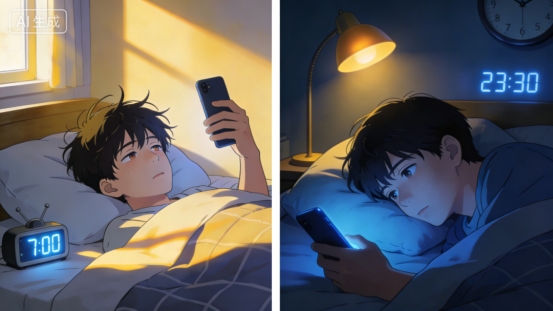
醒着就刷手机?是不是成瘾了?
Xin Lang Cai Jing· 2026-01-21 08:13
Core Viewpoint - The article discusses the concept of "smartphone addiction," clarifying that high-frequency smartphone use does not equate to addiction but rather reflects societal needs and individual circumstances [3][4][5]. Group 1: Understanding Smartphone Addiction - "Smartphone addiction" is a colloquial term and not a recognized medical diagnosis; it differs fundamentally from substance addiction [3]. - The distinction between high-frequency use and problematic use lies in whether social functionality is affected, which is a core standard in psychiatric evaluation [4]. - Normal high-frequency use of smartphones can be beneficial, aiding in work and social needs without impacting sleep or core life functions [5]. Group 2: Reasons Behind Frequent Smartphone Use - Parents often worry about their children’s smartphone use, but many adolescents may be dealing with underlying issues like depression, using smartphones as a coping mechanism [8]. - For working adults, late-night smartphone use often serves as a compensatory mechanism to relieve stress from a busy day, rather than indicating addiction [9]. - Some individuals may frequently check social media due to unmet social needs, using online platforms to alleviate social anxiety [10]. Group 3: Potential Hidden Issues - While smartphone reliance is not inherently problematic, it can exacerbate underlying mental health issues, creating a cycle of dependency and emotional distress [12][13]. - Excessive smartphone use can lead to physical health issues such as sleep disturbances and neck problems, as well as psychological impacts like decreased attention span and increased anxiety [14]. Group 4: Balancing Smartphone Use - Instead of aiming to completely eliminate smartphone use, finding a balance is crucial; strategies include setting specific usage goals and reflecting on smartphone use patterns [16][17]. - Accepting occasional unproductive smartphone use as a normal part of relaxation can help alleviate guilt associated with smartphone use [18]. Group 5: When to Seek Professional Help - Professional intervention is recommended when smartphone use severely impacts social functionality or when emotional issues persist without self-resolution [20]. - Medical evaluations may include screenings for depression and anxiety, with treatment options ranging from medication to cognitive behavioral therapy [21].

心理专家:警惕老年人刷手机出现“行为成瘾”
Zhong Guo Jing Ying Bao· 2025-06-22 05:04
Group 1 - The core message emphasizes the importance of recognizing the psychological aspects behind the physical symptoms experienced by the elderly, which can enhance their quality of life and happiness in later years [1] - The theme for the "National Elderly Health Promotion Week" from June 23 to 29 is "Healthy Aging, Starting from the Heart," highlighting the need for awareness of mental health issues among the elderly [2] - Many elderly patients present with physical symptoms such as chest tightness, fatigue, dizziness, and insomnia, but medical examinations often show no significant abnormalities, leading to misunderstandings from family members [2][3] Group 2 - Depression in the elderly often manifests as physical symptoms rather than typical emotional signs, with studies indicating that about half of elderly depression patients do not show classic mood disturbances upon their first visit [3] - Factors such as living alone, being widowed, or having chronic illnesses can exacerbate these somatic symptoms, making it crucial to pay attention to their psychological state when they report physical discomfort [3] - The rise of smartphone usage and short video platforms among the elderly has raised concerns about potential negative impacts on their mental health, with excessive use leading to behavioral addiction and emotional disturbances [4] Group 3 - It is recommended that elderly individuals and their families focus on both physical and mental health, with families providing psychological support and understanding the elderly's inner needs [3] - Families should assist elderly individuals in managing smartphone usage by setting reminders and filtering content to avoid exposure to negative information that could harm their mental health [4] - The "Seasonal Health and Wellness" press conference by the National Health Commission has featured 109 experts sharing authoritative health knowledge throughout the year [4]