诈骗防范

Search documents
记得“验牌”!TA可能正在拉你入“局”
21世纪经济报道· 2026-03-15 00:35
Group 1 - The article emphasizes the proximity of scams, highlighting that they can occur through a single click, message, or phone call [1] - It presents three different scam stories to illustrate how individuals can fall victim to fraud, including a "pig-butchering" scam that leads to emotional entrapment [1][11] - The article serves as a reminder for consumers to be vigilant, especially on International Consumer Rights Day, urging them to verify the authenticity of financial interactions [11] Group 2 - The article advises against impulsive decisions regarding retirement financial planning, suggesting that consulting with banks is the most reliable approach [3] - It warns against clicking on unfamiliar links and being cautious with screen sharing, highlighting a "fake customer service" scam that leads to financial loss [5] - The article discusses a "order-return" scam that nearly results in significant debt for the victim, emphasizing the dangers of greed for small profits and the risks of trusting advance payment requests [7][9]



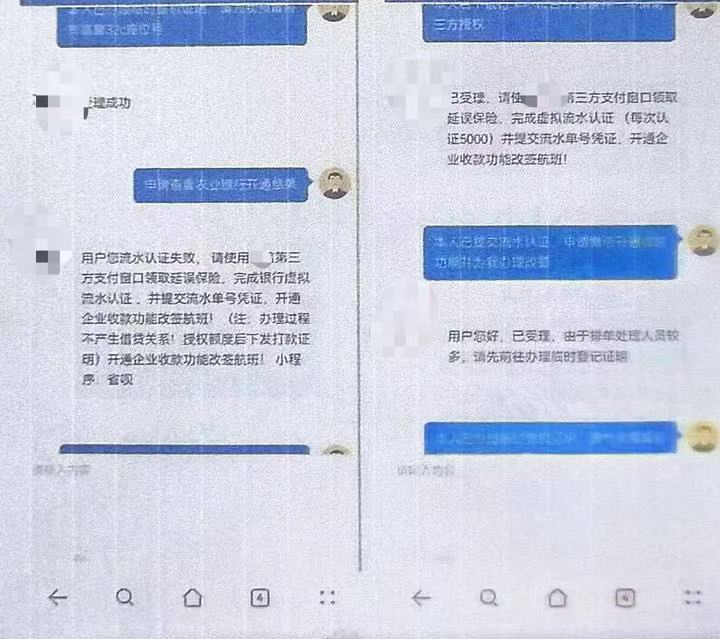
假的“退改签”、充电“拔你卡”……这些环节绷紧安全这根弦!
Xin Hua She· 2026-02-05 09:41
Core Viewpoint - The article highlights the increasing risks of scams during the Spring Festival travel season, urging travelers to remain vigilant and take precautions against various fraudulent activities [1]. Group 1: Types of Scams - A common scam involves fake "refund and change" messages, where scammers impersonate airline customer service and request personal information under the guise of processing compensation [2][4]. - Another scam targets travelers in charging areas, where thieves steal or swap SIM cards from unattended phones [5][6]. - A specific case involved a student who lost 6,800 yuan after being lured into a fake ticket purchasing scheme promising VIP access to train tickets [7]. Group 2: Police Response and Prevention Measures - Police are intensifying efforts to combat scams during the Spring Festival, dismantling several criminal groups and forming partnerships with transportation and hospitality sectors to enhance security [9]. - Authorities recommend that travelers verify ticket purchases through official channels and avoid clicking on suspicious links or sharing sensitive information [10].
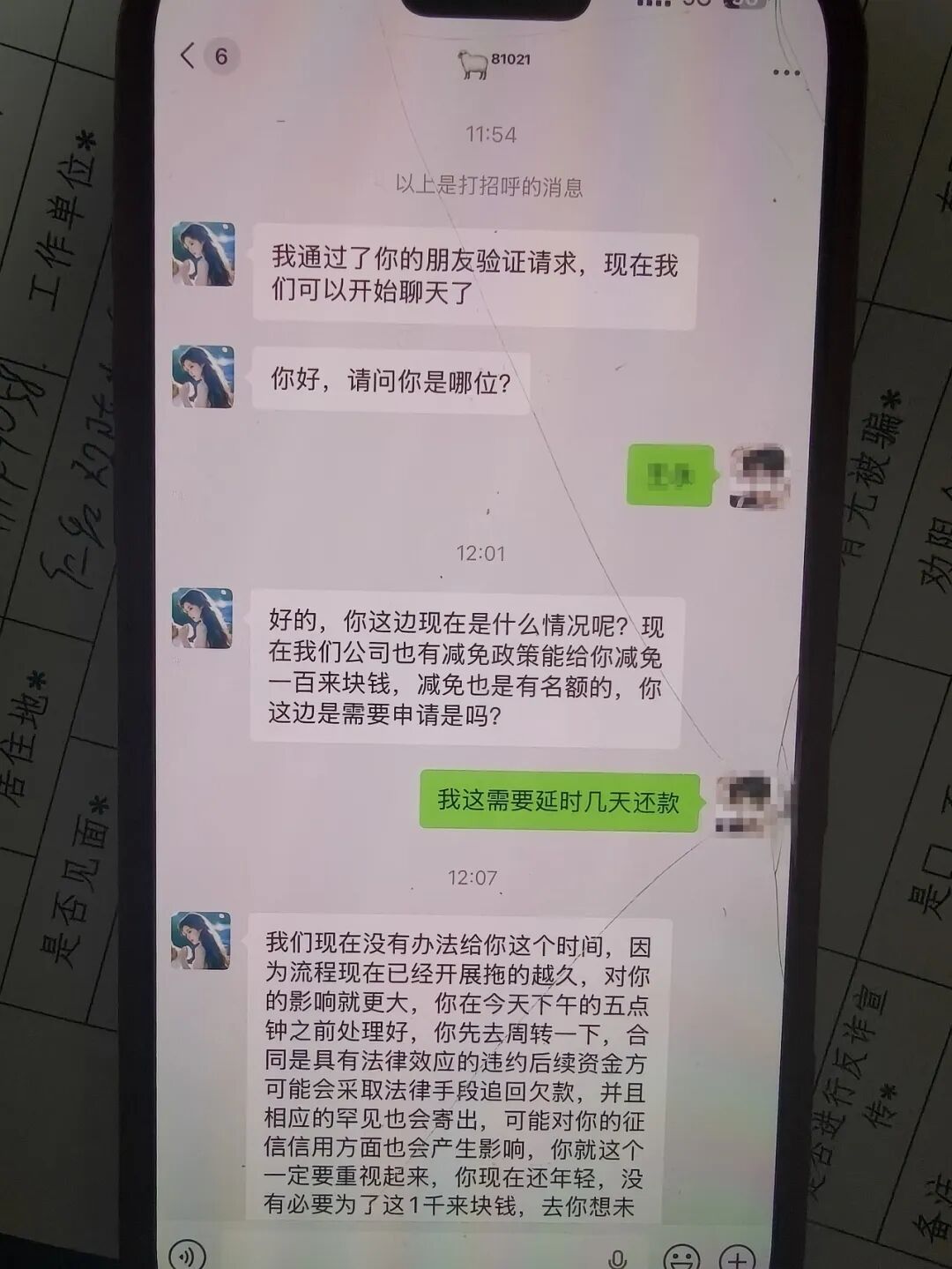
年末预警!最新催款类诈骗来袭,有人差点中招
Huan Qiu Wang· 2026-02-04 08:41
Core Viewpoint - The article highlights a recent surge in fraudulent activities where scammers impersonate lending institutions to deceive borrowers into making unauthorized transfers under the guise of interest reduction and other incentives [1] Group 1: Fraud Tactics - Scammers often target individuals with a willingness to repay or those with a history of overdue payments, creating a sense of urgency through fake official collection messages [4] - Victims are lured into adding private WeChat accounts under the pretense of accessing "exclusive repayment policies," "interest waivers," and "penalty fee reductions" [4] - The ultimate goal is to convince victims to transfer funds to private accounts, which is a clear indication of fraud [4] Group 2: Prevention Measures - Authorities advise the public to treat any unsolicited messages requesting the addition of private WeChat or QQ accounts for repayment matters as fraudulent [6] - Any requests for transfers to private accounts for "repayment" should be ignored, and verification of repayment information should be conducted through official channels such as official apps, customer service hotlines, or physical locations [7] - In case of doubts or encounters with scams, individuals are encouraged to contact the anti-fraud hotline at 96110 or report to the police [7]
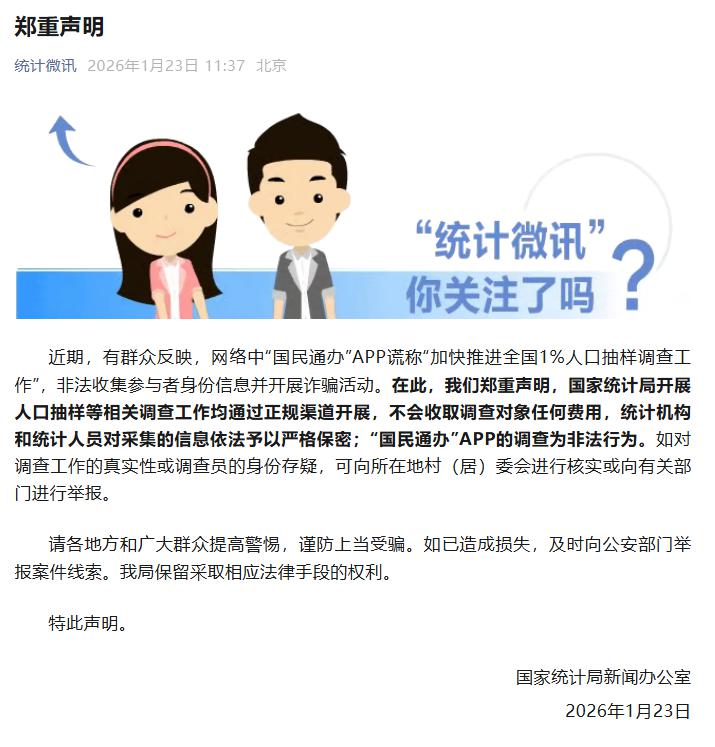
国家统计局发布郑重声明:“国民通办”APP的调查为非法行为
Xin Jing Bao· 2026-01-23 04:04
Core Viewpoint - The National Bureau of Statistics of China issued a statement warning the public about the "National Service App," which falsely claims to accelerate the nationwide 1% population sampling survey and is involved in illegal data collection and fraud activities [1] Group 1: Official Statement - The National Bureau of Statistics emphasizes that all population sampling and related surveys are conducted through official channels and will not charge participants any fees [1] - The bureau assures that the information collected by statistical agencies and personnel is strictly confidential according to the law [1] - The "National Service App" is identified as engaging in illegal activities, and individuals are encouraged to verify the authenticity of survey work or the identity of surveyors with local community committees [1] Group 2: Public Advisory - The public is urged to remain vigilant against potential scams and to report any losses to law enforcement agencies [1] - The National Bureau of Statistics reserves the right to take legal action against the perpetrators of these fraudulent activities [1]
接到这个来电,建议立即挂断!
Xin Hua Wang· 2026-01-20 11:43
Core Viewpoint - The Ministry of Foreign Affairs' Consular Protection Center warns the public about scammers impersonating the 12308 consular protection hotline to commit fraud [2] Group 1: Fraud Alert - The Consular Protection Center has received reports of individuals using technical means to spoof the 12308 hotline number, calling victims under the pretense of personal data leaks and illegal activities [2] - Scammers are enticing victims to provide personal information, "accept investigations," or pay "bail money" [2] - The 12308 hotline's primary function is to record calls related to consular protection requests and provide emergency consultation and guidance [2] Group 2: Hotline Functionality - The hotline does not initiate calls to citizens regarding personal matters or criminal situations [2] - It will not transfer calls to other departments or request money transfers during calls [2] - In case of suspected fraudulent calls, individuals are advised to hang up immediately and verify by calling the hotline directly or using the official "Chinese Consulate" app [2] Group 3: Reporting Fraud - Victims of fraud are urged to report to local police immediately [2] - If funds were transferred through domestic banks, victims should also report to the police in their registered residence [2]

安徽芜湖一男子要买255克黄金!店员:“我要报警!”
Xin Lang Cai Jing· 2026-01-16 13:55
Group 1 - A citizen attempted to purchase 255 grams of gold, expressing willingness to pay any amount, indicating a potential scam situation [1] - The police were alerted by the gold store staff, who recognized the signs of a scam related to transferring illicit funds through gold purchases [1][3] - The police engaged in a strategy to calm the citizen while explaining the scam's mechanics, emphasizing that the fraudsters exploit fear of legal issues to manipulate victims [3] Group 2 - After nearly 5 hours of communication, the citizen realized he was being scammed and was able to return to the gold store to recover over 260,000 yuan [5] - The police issued a warning to the public to remain vigilant against scams involving requests for money transfers or purchases of valuable items under the guise of investigations or asset transfers [5]

春节临近 3类易高发诈骗套路需警惕
Xin Lang Cai Jing· 2026-01-15 16:20
Core Viewpoint - The Beijing Public Security Bureau has reported on the rising trend of impersonation fraud cases, particularly those posing as law enforcement officials, and has outlined three types of scams that are likely to increase during the holiday season [1][2]. Group 1: Impersonation Fraud Characteristics - Impersonation fraud, particularly involving law enforcement, is a prevalent type of telecom fraud, where scammers pose as officials to create panic and manipulate victims into severing contact with the outside world [2][3]. - The demographic most affected includes elderly individuals, university students, and those studying abroad, with over 80% of victims being female [2]. - The average financial loss per case in 2025 is reported to be 230,000 yuan [2]. Group 2: Scam Process - The scam process consists of three main stages: 1. Initial contact, where scammers impersonate law enforcement to gain trust and exaggerate the severity of the situation [3]. 2. Deep brainwashing, where victims are isolated and manipulated into believing the scammer's identity through fake documents and secrecy [3]. 3. Inducing fund transfer, where victims are coerced into transferring money to "safe accounts" under the guise of investigations [3]. Group 3: Holiday Season Scam Types - Three types of scams are highlighted as particularly prevalent during the holiday season: 1. Flight ticket refund and change scams, where scammers impersonate airline customer service to extract sensitive information [4]. 2. Fake shopping service scams, where scammers advertise low-priced goods and disappear after receiving payment [4]. 3. Impersonation of e-commerce logistics customer service, where scammers claim issues with orders to solicit personal information [5]. Group 4: Prevention Tips - Citizens are advised to verify any unsolicited communications regarding ticket refunds through official channels and to avoid adding unknown social media contacts [4]. - For shopping, it is recommended to use reputable e-commerce platforms and to be cautious of deals that seem too good to be true [4]. - In case of receiving suspicious refund notifications, individuals should confirm through official customer service channels and refrain from clicking on unknown links [5].
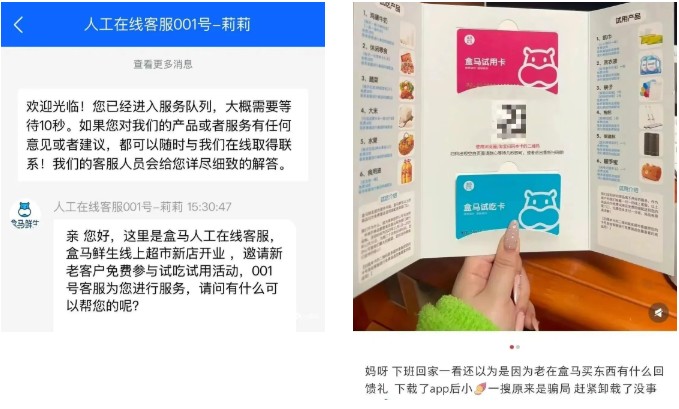
京东、盒马等回应:都是假的
Guan Cha Zhe Wang· 2025-12-25 00:27
Group 1 - Multiple users reported receiving fake trial cards from Hema Fresh, with some claiming that every household in their building received one [1] - The cards appeared legitimate and prompted users to scan a QR code, leading to a customer service page that solicited personal information and encouraged app downloads [3] - Similar fake trial cards were reported from other well-known supermarkets like Yonghui and RT-Mart, as well as fake gift boxes from JD.com [4] Group 2 - Hema Fresh and other supermarkets confirmed that they are not conducting any such promotional activities and warned consumers to be cautious of these scams [9] - The fake cards are part of a "gift" scam where consumers are lured into "刷单" (order brushing) or investment groups, promising rewards for completing tasks [10] - Authorities advise consumers to adhere to the "three no" principles: do not trust unknown offers, do not scan unknown QR codes, and do not transfer money for promised returns [11]
警方曝光诈骗团伙内部手册 揭秘精密骗局步骤
Yang Shi Xin Wen· 2025-12-19 06:36
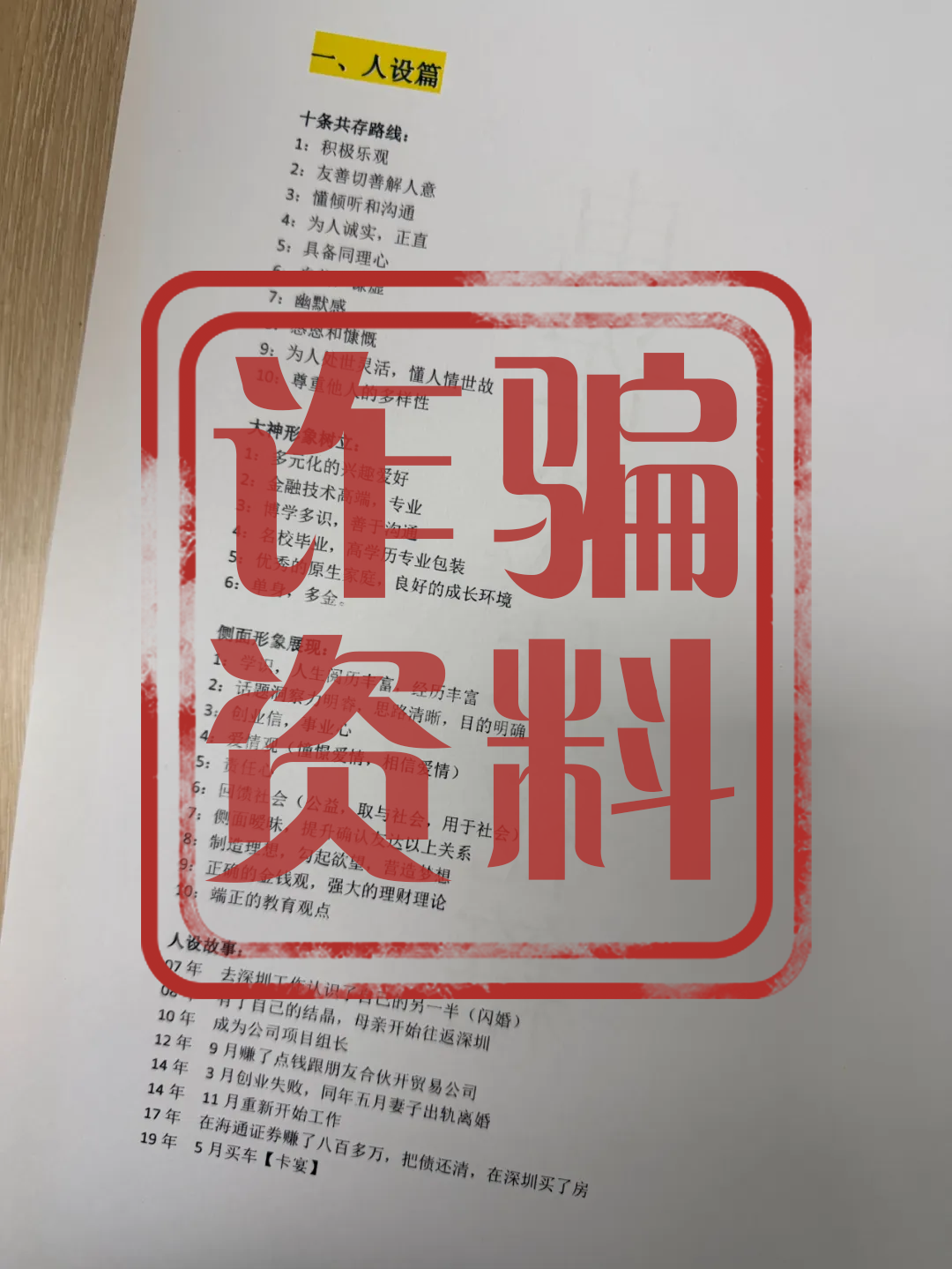
Core Viewpoint - The article highlights the detailed and systematic approach of a scam group that has developed a "manual" for executing online investment fraud, particularly through the guise of rental agreements and emotional manipulation [1][3][4]. Group 1: Scam Methodology - The scam begins with the perpetrators posing as "long-term tenants" to build trust with landlords, using fabricated identities and personal stories to create a reliable image [5]. - After establishing trust, the conversation shifts from rental details to personal experiences, eventually leading to the victim being manipulated into investing by showcasing supposed "investment platform data vulnerabilities" [5][6]. - The entire scam process is meticulously designed to ensure rapid disconnection after the victim transfers funds, demonstrating a high level of planning and concealment [6]. Group 2: Psychological Manipulation - The success of the scam relies on understanding the victim's psychology and employing professional language to create emotional dependency, which lowers their defenses [6]. - Scammers use daily greetings and emotional storytelling to build a rapport, while also introducing financial concepts to align the victim's mindset with investment opportunities [6]. - The use of fabricated credentials and professional jargon enhances the perceived authority of the scammer, making the victim more susceptible to believing in the legitimacy of the investment [6]. Group 3: Prevention Measures - The public is advised to verify the identities of individuals claiming to be "company expatriates" through official channels to avoid blind trust [7]. - Individuals should remain cautious of excessive emotional displays from strangers and recognize the importance of maintaining boundaries in rental relationships [7]. - A critical guideline is to avoid any requests for account operations or fund transfers, and to keep protective software like the "National Anti-Fraud Center" app installed to safeguard against scams [7][8].
注意了!微信这个功能不收费
新华网财经· 2025-12-18 12:24
Core Viewpoint - The article emphasizes that the WeChat "no password payment" feature is free of charge and warns users about potential scams related to this service [4]. Group 1: Security Alerts - The WeChat payment "no password payment" feature does not incur any fees, and any requests to "turn off no password payment" that involve charges or software downloads are scams [4]. - Users should avoid engaging in "screen sharing" with strangers or downloading unknown apps, as these may contain remote control functions that can compromise their devices and personal information [4]. - Legitimate authorities will not request sensitive information such as facial recognition, passwords, or verification codes via phone calls [4]. - For any inquiries regarding payment features, users should verify through official customer service channels within the WeChat or Alipay apps and not trust unsolicited calls [4]. - If a scam is suspected, users should immediately freeze their bank cards and report to the police, keeping records of calls and software names as evidence [4].