诚信消费

Search documents
无理由退货成“薅羊毛”工具?漏洞要靠规则堵
Ren Min Ri Bao· 2026-01-13 06:03
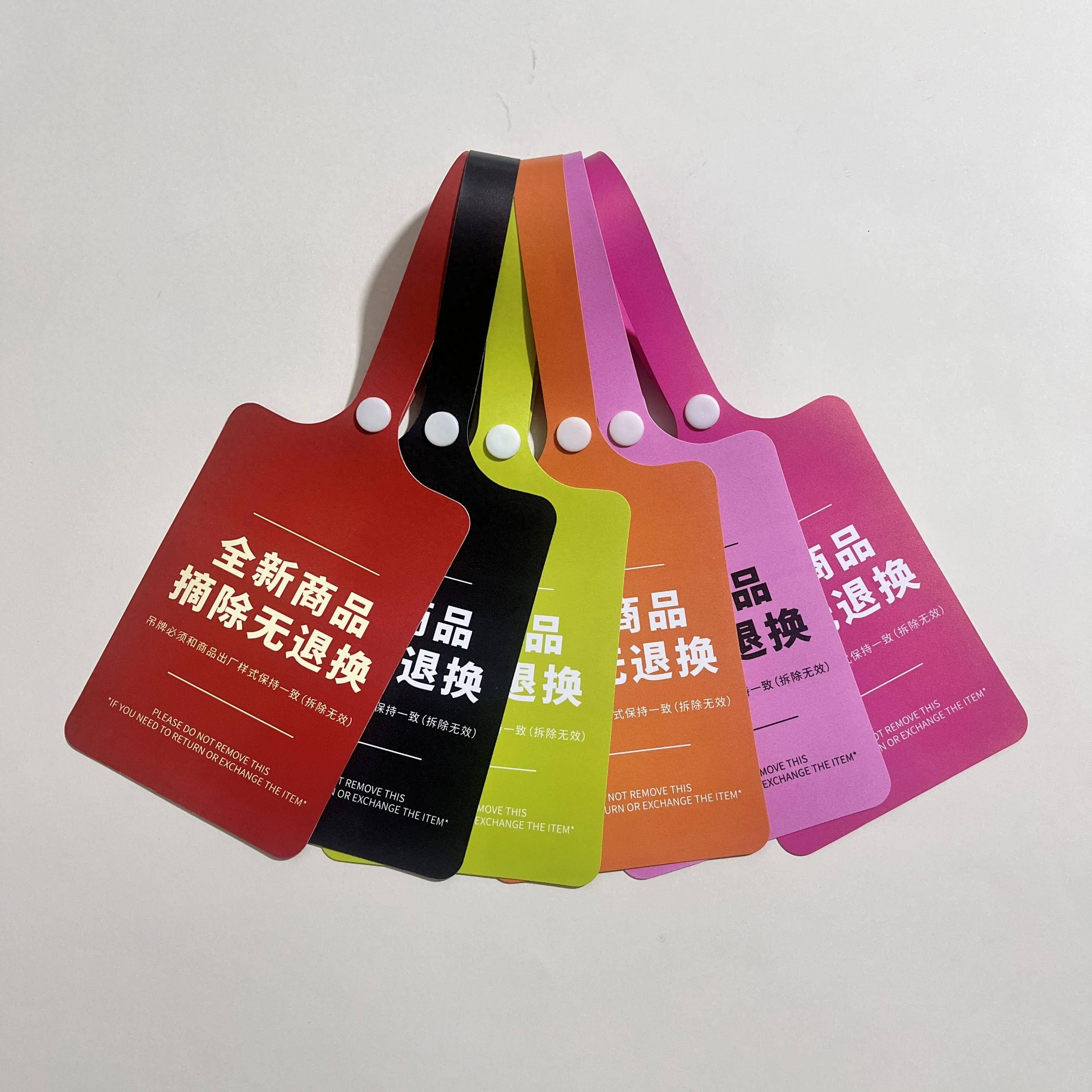
Core Viewpoint - The abuse of the "seven-day no-reason return" policy has raised significant social concerns, with instances of consumers returning used items, leading to financial strain on businesses and prompting them to expose dishonest practices online [1][4]. Group 1: Background and Purpose of the Policy - The "seven-day no-reason return" system was established to address the limitations of online shopping, providing consumers with a "right to regret" and enhancing consumer confidence by reducing trial-and-error costs [4]. - This initiative aimed to promote consumption and achieve a win-win situation, but some consumers exploit the loopholes, treating the policy as a means for free rentals and causing losses to businesses [4]. Group 2: Consequences of Abuse - The malicious return behavior leads to increased costs for businesses, which may raise prices or implement measures like "giant tags" to prevent such abuses, ultimately passing these costs onto all consumers [4]. - The ambiguity in defining "product integrity" during returns creates challenges for businesses in protecting their rights, leading to public exposure of customer information, which can result in backlash against both the customers and the businesses involved [4]. Group 3: Recommendations for Improvement - There is a need for more detailed regulations to clarify the standards of "product integrity," especially for clothing items that may be returned with stains or odors [5]. - E-commerce platforms should establish fair dispute resolution mechanisms, utilizing technology to identify and restrict accounts that frequently engage in malicious returns, while providing businesses with effective channels for appeals [5]. Group 4: Social Responsibility and Education - Social education and moral guidance are essential, particularly for student groups engaging in collective exploitation of the policy; schools and families should not dismiss these actions as harmless [6]. - Integrity should be emphasized as a crucial aspect of personal character and societal interaction, with a focus on teaching young people the importance of honesty in financial transactions [6]. Group 5: Overall Goals - The ultimate goal is not punishment but the establishment of reasonable rules and a compliant environment that protects the legitimate interests of all parties involved, ensuring that honest individuals are rewarded while those who exploit the system face consequences [7].


巨型吊牌销量暴涨,退货率真能“压”下来?
Sou Hu Cai Jing· 2025-12-27 19:52
Core Viewpoint - The emergence of oversized tags in the women's clothing sector is a response to high return rates, representing a physical defense mechanism against malicious returns [1] Group 1: Evolution of Tags - Tags have evolved from small sizes to nearly A4 paper dimensions, made of hard card material with enhanced features like special locks and NFC chips [4] - A manufacturer in Sichuan reported a surge in orders from an average of 70,000 to nearly 1 million, with 300,000 sold in two months, indicating over a tenfold increase [4] Group 2: Cost-Effectiveness - The cost of a single oversized tag ranges from 0.2 to 0.4 yuan, which can prevent an average loss of 25 yuan per return, making it highly cost-effective and quickly adopted by women's clothing retailers [5] Group 3: Impact on Return Rates - Feedback from multiple women's clothing stores indicates that after switching to oversized tags, the malicious return rate dropped from over 40% to around 18%, with some merchants noting immediate effects [6] - The average return rate in the e-commerce women's clothing sector has historically been between 50% and 60%, with live-stream sales reaching as high as 70% to 80%, and some high-end dresses exceeding 90% [6] Group 4: Challenges of Returns - Returned items often come with stains and odors, making them unsellable again; for instance, a 500 yuan dress may yield only a few dozen yuan in profit, but the total loss from returns can exceed 100 yuan [7] - Extreme cases have been reported where students collectively returned items, leading to refund rates exceeding 300%, prompting merchants to feel they were engaging in charity [8] Group 5: Consumer Reactions - Consumers have expressed frustration, stating that buying clothes feels like a gamble, and the oversized tags are more noticeable than the clothing itself, leading to a rise in tutorials on how to remove tags without damage [9] Group 6: Merchant Perspectives - Merchants have stated that the introduction of oversized tags is not meant to inconvenience consumers but is a necessity due to the pressures they face [10] Group 7: Platform Dilemmas - E-commerce platforms are caught in a dilemma between upholding consumer rights for "seven-day no-reason returns" and identifying malicious return behaviors, leading to increasingly blurred boundaries [11] Group 8: Expert Opinions - Experts have noted that physical deterrents are not a long-term solution to the issue of trust in commerce, suggesting the need for a credit system to manage high-frequency return users [13] Group 9: Innovative Solutions - Suggestions for technological empowerment include using AI to identify damaged return items, blockchain to record unboxing times, and third-party quality inspections to accurately identify malicious behaviors [14] - Innovative business models such as "try before you buy" rental systems and membership benefits linked to return rates have shown promise in reducing returns [15] Group 10: Consumer Behavior - There is a call for consumers to return to rational purchasing behaviors, emphasizing that "seven-day no-reason" does not equate to "free trials," and that maintaining the ability to resell items is crucial [16] Group 11: Societal Values - The rise of oversized tags reflects a deeper issue of trust within the e-commerce ecosystem, highlighting the need for transparent platform rules, quality-focused merchants, and rational, trustworthy consumers [17]