豪华品牌渠道变革

Search documents
卖一辆亏一辆,传统豪车经销商只剩两条路
汽车商业评论· 2026-02-10 23:03
Core Viewpoint - The traditional luxury car dealership model in China is experiencing a systemic failure, leading to a significant decline in sales and profitability for dealers, prompting a shift towards new energy vehicle brands and a reevaluation of business strategies [12][21][41]. Group 1: Current Market Conditions - As of early 2026, luxury car dealerships are facing an unusual calm, with fewer customers and sales consultants seen in showrooms compared to previous years [6][10]. - The luxury car market, once a profit haven, has seen a drastic decline, with major dealers like Guizhou Tongyuan Group and Dong'an Holdings facing severe operational issues, leading to a "delivery crisis" for brands like BMW and Porsche [15][16][20]. - Data from the China Automobile Dealers Association indicates that nearly 15,000 dealerships have closed from 2021 to 2025, marking a continuous decline in dealership numbers [20]. Group 2: Financial Struggles of Dealerships - In 2025, luxury brand dealers reported an average inventory coefficient of 1.33 and a new car gross profit margin of -23.6%, indicating severe financial distress [24][27]. - A significant 74.4% of dealers were losing money on each vehicle sold, with nearly half experiencing losses exceeding 15% [27]. - The traditional profit model, which relied on high-margin after-sales services, is collapsing as younger consumers turn to alternative service providers, leading to a drop in customer satisfaction and loyalty [30][34]. Group 3: Shift to New Energy Brands - Many struggling dealers are transitioning from traditional luxury brands to new energy vehicle brands, attracted by better profit margins and reduced inventory risks [37][41]. - In 2025, the proportion of luxury brand dealers transitioning to new energy brands reached 37%, with independent new energy vehicle dealers achieving a profitability rate of 42.9% [41][42]. - The shift is driven by new business models that eliminate inventory pressure and provide fixed commissions, allowing dealers to focus on sales without the burden of unsold stock [38][39]. Group 4: Traditional Brands' Response - Traditional luxury brands are reducing their dealership networks to focus on more efficient operations, with BMW and Mercedes-Benz planning to cut their dealership numbers significantly [44][45]. - The luxury car market has seen a decline of approximately 28% in high-end segments, prompting brands to engage in aggressive price cuts to support struggling dealers [48][50]. - Brands are investing in research and development and localizing products to adapt to changing market conditions, with plans for new model launches in 2026 [56][59]. Group 5: Future Directions - The future of luxury car dealerships lies in redefining their roles from sales centers to user operation centers, focusing on customer service throughout the vehicle lifecycle [70][72]. - Digital transformation is becoming essential, as consumers increasingly expect transparency and efficiency in their purchasing experiences [73][75]. - The success of dealerships in the coming years will depend on their ability to adapt to new market realities, including the integration of digital tools and improved customer engagement strategies [74][76].


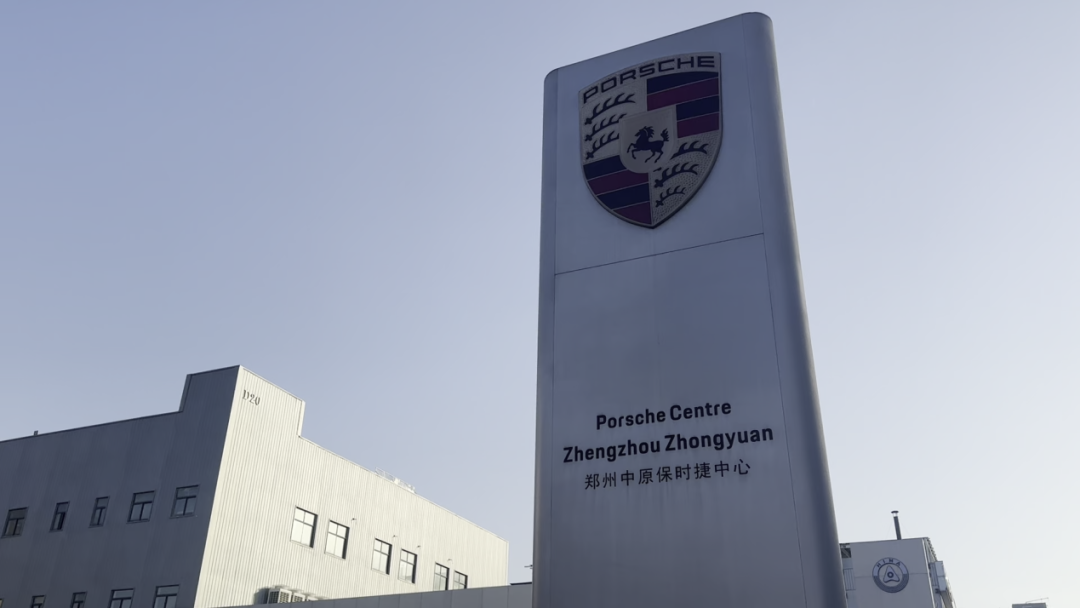
停业风波落定,保时捷终止授权!
Zhong Guo Qi Che Bao Wang· 2026-01-07 01:45
Core Viewpoint - Porsche China has officially terminated the dealership authorization for the Zhengzhou Central Porsche Center, marking a significant shift in the luxury brand's distribution strategy in China [2][4]. Group 1: Incident Overview - The closure of the Zhengzhou Central Porsche Center began with a sudden "clearance" event on December 23, 2025, where vehicles were removed from the showroom, and staff went missing, leaving customers unable to retrieve their vehicles or service packages [3]. - The Zhengzhou Business Bureau and local police initiated investigations, suggesting that the closure was likely due to a financial crisis [3]. - On December 25, Porsche China apologized to customers and committed to protecting consumer rights while investigating the situation [4]. Group 2: Company Response - On January 5, 2026, Porsche China confirmed the termination of the dealership agreement due to serious violations and damage to brand reputation, while also outlining solutions for affected customers [4]. - Customers can transfer their service packages to nearby dealerships, but self-issued packages by the dealership are not included in this transfer [4]. Group 3: Market Context - The termination of the Zhengzhou dealership is part of a broader trend of channel contraction among luxury brands in China, with Porsche planning to reduce its sales outlets from 150 to around 80 by the end of 2026 [7]. - Financial reports indicate a significant decline in Porsche's profitability, with operating profit dropping from €4.035 billion in 2024 to €0.04 billion in 2025, and a sales return rate plummeting from 14.1% to 0.2% [7]. - The overall sales volume for Porsche decreased by 6% globally, with a staggering 26% drop in the Chinese market, highlighting the challenges faced by luxury brands in adapting to market changes [7]. Group 4: Industry Trends - Other luxury brands, such as Mercedes-Benz and BMW, are also undergoing strategic network reductions to enhance efficiency and profitability in response to market pressures [8]. - The closure of the Zhengzhou dealership serves as a warning for luxury brands to optimize their channel strategies while balancing scale, efficiency, brand reputation, and consumer rights [8].