豪华汽车制造

Search documents
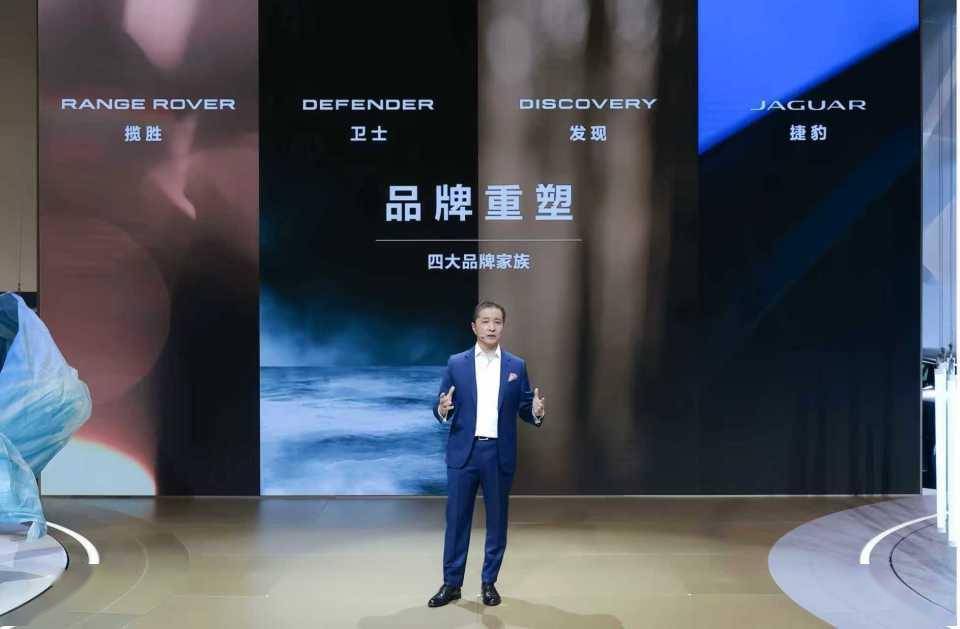
捷豹路虎中国区CEO突然换帅,新掌门人为首席财务官,曾主导多项关键财务改革
Sou Hu Cai Jing· 2026-02-25 03:44
Group 1 - Jaguar Land Rover China has undergone a senior management reshuffle, appointing Tim Howard as the new CEO for the China region, while former CEO Pan Qing takes on the role of Global Procurement Director [1][4] - Tim Howard will report to both the Global Chief Growth Officer for business growth and commercial matters, and the Global Chief Financial Officer for financial and joint venture affairs [4] - The management change is seen as a strategic move to enhance organizational structure and support high-quality global business development [4] Group 2 - Pan Qing has been the CEO of Jaguar Land Rover China since January 1, 2017, and has played a crucial role in implementing key strategies such as the "China Upgrade Strategy 2020" and "Reshaping the Future" [4] - Tim Howard joined Jaguar Land Rover China in 2016 and has significant local market experience, having led key financial reforms and initiatives to improve operational efficiency and cash flow management [4] - The Chinese market remains a vital component of Jaguar Land Rover's global strategy, with plans to launch a new model based on Chery's electric vehicle architecture in collaboration with Chery [5]

卖一辆亏一辆,传统豪车经销商只剩两条路
汽车商业评论· 2026-02-10 23:03
Core Viewpoint - The traditional luxury car dealership model in China is experiencing a systemic failure, leading to a significant decline in sales and profitability for dealers, prompting a shift towards new energy vehicle brands and a reevaluation of business strategies [12][21][41]. Group 1: Current Market Conditions - As of early 2026, luxury car dealerships are facing an unusual calm, with fewer customers and sales consultants seen in showrooms compared to previous years [6][10]. - The luxury car market, once a profit haven, has seen a drastic decline, with major dealers like Guizhou Tongyuan Group and Dong'an Holdings facing severe operational issues, leading to a "delivery crisis" for brands like BMW and Porsche [15][16][20]. - Data from the China Automobile Dealers Association indicates that nearly 15,000 dealerships have closed from 2021 to 2025, marking a continuous decline in dealership numbers [20]. Group 2: Financial Struggles of Dealerships - In 2025, luxury brand dealers reported an average inventory coefficient of 1.33 and a new car gross profit margin of -23.6%, indicating severe financial distress [24][27]. - A significant 74.4% of dealers were losing money on each vehicle sold, with nearly half experiencing losses exceeding 15% [27]. - The traditional profit model, which relied on high-margin after-sales services, is collapsing as younger consumers turn to alternative service providers, leading to a drop in customer satisfaction and loyalty [30][34]. Group 3: Shift to New Energy Brands - Many struggling dealers are transitioning from traditional luxury brands to new energy vehicle brands, attracted by better profit margins and reduced inventory risks [37][41]. - In 2025, the proportion of luxury brand dealers transitioning to new energy brands reached 37%, with independent new energy vehicle dealers achieving a profitability rate of 42.9% [41][42]. - The shift is driven by new business models that eliminate inventory pressure and provide fixed commissions, allowing dealers to focus on sales without the burden of unsold stock [38][39]. Group 4: Traditional Brands' Response - Traditional luxury brands are reducing their dealership networks to focus on more efficient operations, with BMW and Mercedes-Benz planning to cut their dealership numbers significantly [44][45]. - The luxury car market has seen a decline of approximately 28% in high-end segments, prompting brands to engage in aggressive price cuts to support struggling dealers [48][50]. - Brands are investing in research and development and localizing products to adapt to changing market conditions, with plans for new model launches in 2026 [56][59]. Group 5: Future Directions - The future of luxury car dealerships lies in redefining their roles from sales centers to user operation centers, focusing on customer service throughout the vehicle lifecycle [70][72]. - Digital transformation is becoming essential, as consumers increasingly expect transparency and efficiency in their purchasing experiences [73][75]. - The success of dealerships in the coming years will depend on their ability to adapt to new market realities, including the integration of digital tools and improved customer engagement strategies [74][76].

捷豹路虎:以可持续之道,重塑豪华未来
2 1 Shi Ji Jing Ji Bao Dao· 2025-12-30 23:14
Core Viewpoint - The concept of luxury in the automotive industry is undergoing a profound transformation, emphasizing sustainability and social responsibility beyond mere performance and luxury features [1][9]. Group 1: Commitment to Sustainability - Jaguar Land Rover has set an ambitious goal to achieve net-zero carbon emissions across its entire value chain by 2039, reflecting a commitment to long-term environmental responsibility [2][3]. - The company is accelerating its transition to electric vehicles, with plans to introduce new electric models, including the "Freelander" brand, aimed at providing advanced electric luxury options for the Chinese market [2][9]. - The net-zero vision encompasses not only tailpipe emissions but also collaboration with suppliers to promote green materials and low-carbon production processes [2]. Group 2: Green Manufacturing Practices - Jaguar Land Rover's manufacturing facilities are being transformed into "green laboratories," integrating environmental principles into every production stage [4]. - The company is implementing advanced production technologies to reduce energy consumption, water usage, and waste generation, ensuring a minimal environmental impact [4][5]. - The integration of digitalization and smart technologies is enhancing production efficiency and significantly lowering the carbon footprint of the manufacturing process [5]. Group 3: Social Responsibility and Community Engagement - The "Jaguar Land Rover China Youth Dream Fund" has invested over 100 million RMB since its inception in 2014, benefiting over 700,000 Chinese youth through a sustainable public welfare ecosystem [7]. - Key initiatives include building "Jaguar Land Rover Hope Primary Schools" in remote areas and providing health care projects that have helped over 330,000 children [7][8]. - The "Dream Shop" project creatively transforms children's artwork into products for sale, fostering community engagement and raising funds for educational support [8]. Group 4: Redefining Luxury - Jaguar Land Rover is redefining luxury by integrating sustainability into its brand philosophy, emphasizing craftsmanship, design, and a commitment to a cleaner, fairer, and more vibrant world [9]. - The company's comprehensive sustainable practices are gaining respect and recognition from users and partners who share similar values, reinforcing its brand identity in the Chinese market [9].
平台赋能,生态共建:2025微博焕新非遗盛典探索非遗产业融合新范式
Xin Lang Cai Jing· 2025-12-25 14:16
Core Insights - The 2025 Weibo Revitalization Intangible Cultural Heritage Ceremony and the Weibo Intangible Cultural Heritage and Industry Integration Development Exchange Conference successfully concluded in Chengdu, with over 600 attendees from various sectors [1][23] - The event aimed to connect multiple resources, including government, media, and cultural heritage practitioners, to create a high-value platform for the intangible cultural heritage industry, promoting the integration of intangible cultural heritage into various industries [1][23] Group 1: Event Highlights - The theme of the event was "New Vitality of Intangible Cultural Heritage, Empowering the Future," featuring speeches, honor awards, and online discussions [1][23] - Nine annual honors were awarded to individuals and organizations for their outstanding contributions to the field of intangible cultural heritage [2][24] Group 2: Youth and Media Engagement - The president of the China Intangible Cultural Heritage Protection Association emphasized the role of youth as key transmitters and innovators of intangible cultural heritage in the internet age [2][24] - Weibo's vice president highlighted the platform's commitment to building an open and collaborative system for the dissemination of intangible cultural heritage, moving from one-way promotion to deep integration [2][24] Group 3: Awards and Recognitions - Eight projects received the "Annual Intangible Cultural Heritage Local Newborn Model Project" honor, showcasing diverse media forms that bridge the gap in heritage transmission [3][25] - Various organizations and individuals, including media outlets and cultural practitioners, were recognized for their contributions to the promotion and innovation of intangible cultural heritage [5][27] Group 4: Technological Integration - The event showcased the potential of AI technology in the transmission of intangible cultural heritage, with interactive demonstrations highlighting its capabilities [6][28] - The collaboration between Weibo and various cultural institutions aims to explore innovative paths for integrating intangible cultural heritage with modern life and local economic development [10][32] Group 5: Industry Dialogue and Future Directions - The exchange conference focused on innovation and integration, aiming to break down barriers between industries and create a win-win ecosystem for intangible cultural heritage [12][34] - A report was released discussing the dual empowerment of intangible cultural heritage and industry, emphasizing the importance of cultural heritage in enhancing urban cultural identity and driving innovation in cultural tourism products [14][36] Group 6: Sustainable Development Initiatives - Weibo's initiatives aim to create a sustainable ecosystem for intangible cultural heritage, transitioning from visibility to experience and ultimately to necessity [19][41] - The "Weibo Intangible Cultural Heritage Resident Program" was launched to invite influential content creators to collaborate with local governments, enhancing the visibility and sustainability of local cultural heritage [10][32][42]



纸间匠心,轮上相传:劳斯莱斯“搏动之心”首探中国千年手工纸
Zhong Guo Qi Che Bao Wang· 2025-11-11 09:37
Core Insights - Rolls-Royce is launching the "Beating! Heart" project to explore and modernize traditional Chinese craftsmanship, particularly focusing on handmade paper, which aligns with the brand's luxury ethos and customer preferences [4][6][15] Group 1: Project Overview - The "Beating! Heart" project officially started in July 2023 after a year of preparation, aiming to research and protect traditional Chinese craftsmanship while expressing it in a modern context [4][6] - The project highlights the importance of Chinese traditional craftsmanship in the luxury automotive sector, with Rolls-Royce recognizing the unique demands of Chinese customers for cultural design elements [4][6][15] Group 2: Traditional Craftsmanship - The project will initially focus on handmade paper, which has a history of over 2,000 years in China, encompassing various types such as hemp paper, bamboo paper, and rice paper [7][9] - Rolls-Royce aims to integrate traditional paper-making techniques into their bespoke automotive designs, emphasizing the artistic value and durability of handmade paper [7][13] Group 3: Customer Engagement - Since August 2023, Rolls-Royce has initiated over 40 bespoke projects at its Shanghai customization center, reflecting the growing interest of Chinese clients in personalized luxury [4][15] - The brand is adapting to a younger, more diverse Chinese customer base, focusing on creating unique, non-replicable bespoke experiences that resonate with individual creativity [17] Group 4: Future Developments - Rolls-Royce plans to launch bespoke projects inspired by traditional Chinese paper-making by the end of 2026, with ongoing engineering tests and technical certifications to ensure quality and safety [15][17] - The "Beating! Heart" project will span three years, with different themes of Chinese traditional craftsmanship introduced annually, aiming to incorporate more exceptional traditional arts into bespoke offerings [17]

「高贵」的玛莎拉蒂,降到35万了
创业邦· 2025-11-07 03:23
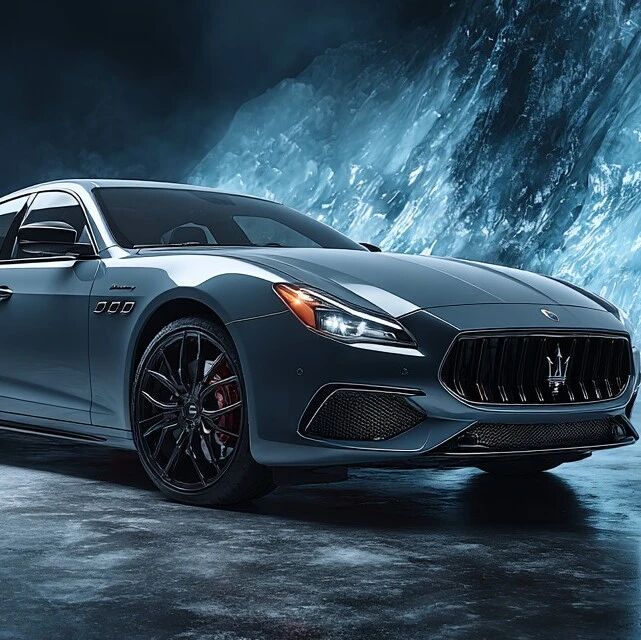
Core Viewpoint - Maserati is facing significant sales challenges in China, prompting drastic price cuts on models like the Grecale, which has seen discounts of up to 58% for the fuel version and nearly 60% for the electric version, indicating a collapse in its pricing structure and brand perception [5][10][11]. Group 1: Sales Performance - Maserati's sales in China have been declining, with a 5% drop in September and a 3% decline from January to September this year [16][12]. - Global sales for Maserati fell from 26,689 units in 2023 to 14,725 units in 2024, a staggering 44.8% decrease [14]. - The brand's presence in the Chinese market has diminished, with sales dropping from 4,680 units in 2022 to just 1,209 units in 2024, reducing its market share from 20% to 8.2% [14]. Group 2: Management Changes - Maserati has experienced frequent changes in its Chinese management, with three different general managers since 2023, indicating instability in leadership [17][20]. - The latest appointment of Julie as the acting general manager reflects ongoing attempts to revitalize the brand in China, but the effectiveness of these changes remains uncertain [19][28]. Group 3: Marketing Strategies - To attract younger consumers, Maserati has engaged in cross-promotional marketing with the mobile game "Honor of Kings," although this strategy has received mixed reactions from existing customers who feel it diminishes the brand's luxury status [21][27]. - The brand's efforts to embrace electric vehicle trends are evident, but it struggles to keep pace with competitors in terms of technology and consumer expectations [22][25]. Group 4: Competitive Landscape - The luxury car market is facing broader challenges, with other high-end brands like Bentley, Rolls-Royce, and Ferrari also reporting significant sales declines in 2023 [23]. - The overall luxury market is experiencing a slowdown, reflecting a temporary decrease in purchasing power among ultra-high-end consumers [23].
英伟达(NVDA.US)近60%运营利润率领跑“七巨头” 特斯拉仅8.76%垫底
贝塔投资智库· 2025-08-08 03:59
Group 1 - Nvidia (NVDA.US) has the highest operating efficiency among the "Big Seven" in the US stock market, with an operating profit margin of 59.86% over the past four quarters [2] - Tesla (TSLA) ranks last with a profit margin of 8.76%, attributed to protests related to CEO Elon Musk's brief political involvement and strong competition from Chinese EV manufacturer BYD [2][5] - Meta (META.US) ranks second with a 44.42% rolling 12-month operating profit margin, while Microsoft (MSFT) ranks third among tech giants [2] Group 2 - BestBrokers analyzed financial data from 1,189 companies with a market capitalization over $10 billion across 39 major industries [5] - The research highlights that Nvidia's high profit margin reflects its leadership in the AI and gaming GPU markets, emphasizing the importance of sustainable growth through cost control and strategic positioning in high-margin markets [5] - The average operating profit margins for various industries include port operations (38.5%), financial investments (32.4%), tobacco (31.2%), and railway operations (30.1%) [7] Group 3 - In the automotive sector, luxury brand Ferrari leads with an operating profit margin of 28.7%, nearly double that of Toyota's 15.4%, both significantly above the industry average of 4.8% [7] - Ferrari's limited production strategy of 13,752 vehicles in 2024 contrasts sharply with Toyota's approach of achieving strong profit margins through production efficiency and supply chain management [7] - Electric startup Rivian (RIVN.US) faces severe challenges, with an operating profit margin of -70.3% due to ongoing investments in R&D and manufacturing difficulties [7]