财富分配格局再平衡

Search documents
国际金价首次突破4000美元 专家:货币体系重构的信号弹
Sou Hu Cai Jing· 2025-10-09 01:46
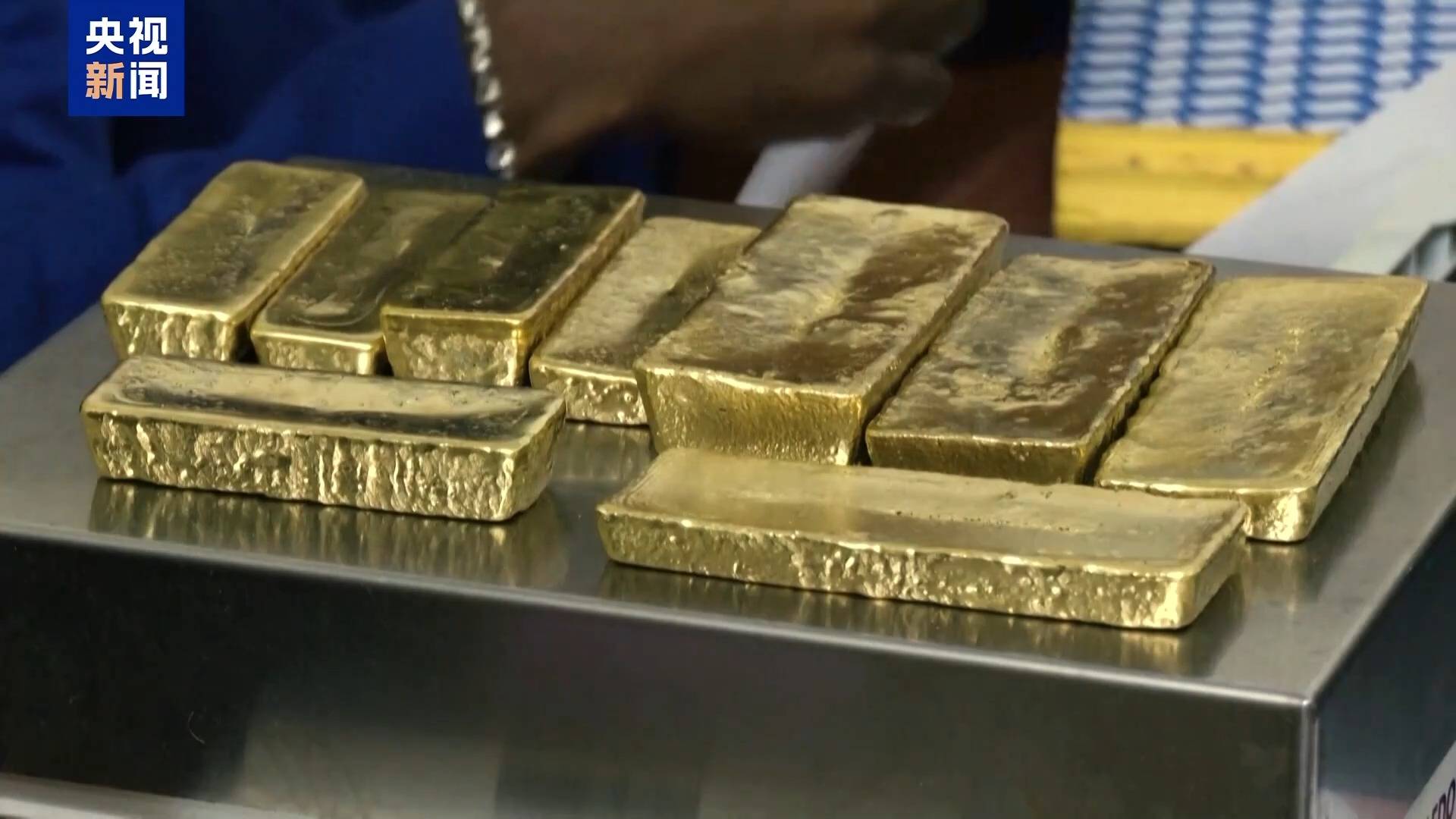
Core Insights - Recent surge in international gold prices, with spot gold surpassing $4,000 per ounce, reaching a historic high of $4,039.14 per ounce, indicates significant market shifts and potential investment opportunities [1][4]. Factors Behind Gold Price Increase - The rise in gold prices is attributed to a combination of short-term events, macroeconomic trends, and structural changes [4]. - Geopolitical tensions and policy uncertainties have acted as immediate catalysts for the increase in gold prices, with multiple global conflicts and the U.S. government shutdown contributing to heightened market risk aversion [5][10]. - A shift in monetary policy, particularly the Federal Reserve's interest rate cuts, has reduced the holding costs of gold, while the dollar index experienced an 11% drop in the first half of the year, marking the largest decline since 1973 [7][9]. Long-term Trends Supporting Gold Prices - Central banks globally are increasingly purchasing gold, with nearly half planning to increase their gold reserves in the next 12 months, reflecting a trend towards diversification away from the dollar [7][9]. - Concerns over the long-term value of the dollar, driven by high U.S. federal debt and fiscal sustainability challenges, are providing fundamental support for gold prices [9]. Impacts on Financial Markets - The increase in gold prices is expected to exacerbate financial market volatility and reshape asset allocation strategies, with significant growth observed in gold mining stocks and related commodities [10]. - The structural transformation of the global reserve system is underway, as non-U.S. countries' gold reserves now exceed their holdings of U.S. Treasury bonds, enhancing gold's status as a crisis currency [10]. Future Outlook - The future trajectory of gold prices is anticipated to be complex, characterized by both bullish and bearish factors, with strong upward momentum in the medium to long term, albeit with potential risks and variables [12].