
贸易法

Search documents
美国最高法院废了特朗普的关税令,中国没庆祝,欧洲人连夜改行程
Sou Hu Cai Jing· 2026-02-22 08:07
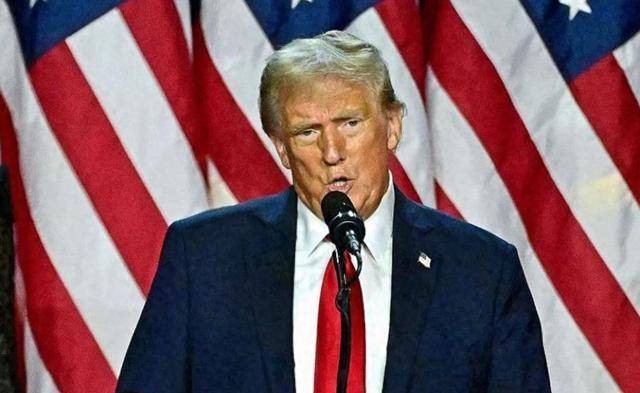
特朗普的反应倒是非常迅速。先是骂法官是酒囊饭袋,接着在凌晨两点又签署了一项新的命令,改用 《1974年贸易法》第122条。这条法律已经冷藏了将近五十年,手续简单,但却有一个明显的局限—— 只有150天的有效期,正好卡在了11月中期选举之前。他还列出了一张豁免清单:药品、汽车、电池等 老百姓日常必需的东西不加税,明显是为了避免激起民众的不满。接着,他又悄悄把232条款、301条 款、201条款都翻了出来,像打牌一样把它们排成三列。他并不是马上就打算采取行动,而是在向全世 界宣告:你们别急,我还有手段。中国早就预测到了这一步。IEEPA超越权限的问题,法学界早就争论 了十年,WTO的文件中堆满了中国方面的法律意见。2月24号,默茨来中国的时机就显得格外巧妙—— 他一落地,特朗普的新税令随即生效。中国并没有等到事态发展到不可控的地步才行动,而是提前部 署,默茨的行程中包含了宇树科技的四足机器人、奔驰在华工厂等实际的合作项目,足以看出合作的深 度。 这件事看起来其实挺简单:法院明确表示总统不能随便收关税,法律不允许这么做。2月20号的晚上11 点15分,北京的胡同里突然传来烟花爆竹的响声,而在同一时刻,华盛顿的法院判 ...

特朗普全球关税被推翻!他放话“加征10%”
Sou Hu Cai Jing· 2026-02-21 00:53
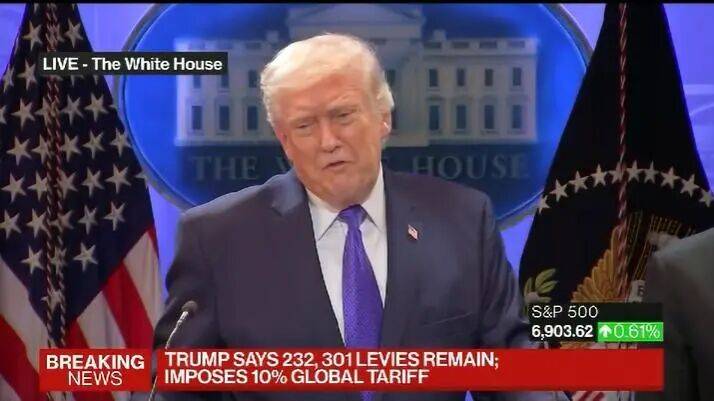
美国总统特朗普遭遇他第二个任期内最大的法庭败绩,他的核心政策工具被最高法院裁定违法。 据央视新闻,当地时间20日,美国最高法院裁定,《国际紧急经济权力法》(IEEPA)并未赋予总统在 未经国会批准时征收关税的权力。 经济学家估算相关关税已征超1750亿美元,若全额退还或使关税税率降低过半。而特朗普政府对钢铁、 铝和汽车所征收关税的法律依据并非IEEPA,因此不受直接影响。 据央视,特朗普称裁决"可耻",在随后召开新闻发布会上,他表示将签署一项命令,依据美国《1974年 贸易法》第122条,在目前已经征收的常规关税基础上,额外对全球商品加征10%的关税,预计将在"约 三天内"开始生效。 特朗普暗示违法征收的关税不退了。被现场记者问到此前征收的大约1750亿美元关税收入是否要退还 时,特朗普称,最高法院的裁决有缺陷,没有提及"保留这笔钱"或"不保留这笔钱"——他猜"接下来两 年,甚至是五年,这事都得打官司"。 同在周五,贝森特在达拉斯经济俱乐部的演讲中表示,"没人应该指望关税收入会减少"。财政部的估算 显示,上述第122条款结合可能强化的232条款和301条款关税,将使2026年关税收入"基本保持不变"。 裁决公 ...
美国关税大案,最新进展!
Huan Qiu Shi Bao· 2025-11-06 11:49
Core Points - The U.S. Supreme Court is questioning the legality of the Biden administration's imposition of tariffs on numerous countries, focusing on whether this action exceeds presidential authority under the International Emergency Economic Powers Act (IEEPA) [1][2] - The case revolves around the interpretation of IEEPA, which allows the president to intervene in trade during emergencies, and whether this includes the power to impose tariffs [1][3] Summary by Sections Legal Framework - The core legal question is whether the IEEPA grants the president unlimited power to impose tariffs globally, with justices expressing skepticism about the necessity of such broad tariffs [3] - The argument presented by the defense is that the trade deficit constitutes an emergency, justifying the use of tariffs as a negotiation tool, despite the increased costs to American businesses and consumers being deemed an "accident" [2][4] Implications of the Ruling - Justices are concerned about the potential legal ramifications of a ruling in favor of the White House, questioning if it would set a precedent for expanding presidential powers at the expense of Congressional authority [4] - Even if the Supreme Court rules against the White House, alternative legal avenues for imposing tariffs remain available, such as provisions in the Trade Act of 1974 and the Tariff Act of 1930 [4][5] Stakeholder Reactions - The plaintiffs argue that if the White House seeks to impose tariffs through other legal means, they will continue to defend their interests [5]
