超级积分政策

Search documents
2025年欧洲新能源汽车销量大涨 欧盟给燃油车松绑
Zhong Guo Qi Che Bao Wang· 2026-01-27 03:57
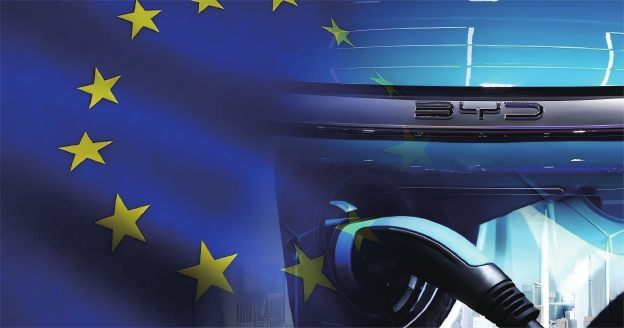
Core Insights - The European electric vehicle (EV) market is expected to experience explosive growth in 2025, with total sales surpassing 2.885 million units, a year-on-year increase of 32.6%, achieving a penetration rate of 29.0%, up by 6.7 percentage points [2] - The EU has quietly adjusted its "ban on fuel vehicles" policy, allowing for more flexibility in the transition to electric vehicles, reflecting a compromise due to economic pressures [2][7] Policy and Market Drivers - The rapid growth of the European EV market is driven by various subsidy policies implemented across countries, including Spain, the UK, France, and Italy, which stimulate consumer demand [3] - Spain's "Moves III plan" offers up to €7,000 in subsidies for consumers who purchase electric vehicles and scrap old fuel cars, with a total budget of €400 million [3] - The UK has set a subsidy of up to £3,750 per vehicle, with a ZEV sales target for manufacturers increasing from 22% in 2024 to 80% by 2030 [3] - France announced a special subsidy of €1,000 for electric vehicle purchases, with additional benefits for lower-income families [4] - Italy's subsidy program offers up to €11,000 for families with an income below €30,000 when purchasing zero-emission vehicles [4] Market Competition and Challenges - Chinese automotive companies are gaining market share in Europe, with a significant increase in sales due to competitive pricing and quality, exemplified by BYD's Tang EV being 22% cheaper than Volkswagen's ID.6 [4][8] - The EU's adjustment of its policy reflects the need to balance climate goals with the economic realities of the automotive industry, particularly concerning employment [7] - The European automotive industry faces challenges such as a lack of competitiveness against Chinese brands and a slow pace of charging infrastructure development [7][8] EU Policy Adjustments - The EU has revised its "Automotive Package" to change the 2035 "zero-emission" target to a "90% reduction" target, allowing companies to offset emissions through biofuels and other means [7][10] - The new policy includes incentives for small electric vehicles and mandates for zero-emission vehicles in corporate fleets starting in 2030 [10][11] - The EU plans to invest €1.8 billion to support the local battery industry and address supply chain bottlenecks [11] Strategic Recommendations for Chinese Companies - Chinese automotive companies should focus on localizing production and enhancing supply chain resilience to navigate the increasingly complex European market [11][12] - There is a need to shift from a focus on cost-effectiveness to emphasizing technology and brand value, enhancing brand recognition through cultural engagement and sponsorships [12]