比亚迪唐EV

Search documents
2025年欧洲新能源汽车销量大涨 欧盟给燃油车松绑
Zhong Guo Qi Che Bao Wang· 2026-01-27 03:57
Core Insights - The European electric vehicle (EV) market is expected to experience explosive growth in 2025, with total sales surpassing 2.885 million units, a year-on-year increase of 32.6%, achieving a penetration rate of 29.0%, up by 6.7 percentage points [2] - The EU has quietly adjusted its "ban on fuel vehicles" policy, allowing for more flexibility in the transition to electric vehicles, reflecting a compromise due to economic pressures [2][7] Policy and Market Drivers - The rapid growth of the European EV market is driven by various subsidy policies implemented across countries, including Spain, the UK, France, and Italy, which stimulate consumer demand [3] - Spain's "Moves III plan" offers up to €7,000 in subsidies for consumers who purchase electric vehicles and scrap old fuel cars, with a total budget of €400 million [3] - The UK has set a subsidy of up to £3,750 per vehicle, with a ZEV sales target for manufacturers increasing from 22% in 2024 to 80% by 2030 [3] - France announced a special subsidy of €1,000 for electric vehicle purchases, with additional benefits for lower-income families [4] - Italy's subsidy program offers up to €11,000 for families with an income below €30,000 when purchasing zero-emission vehicles [4] Market Competition and Challenges - Chinese automotive companies are gaining market share in Europe, with a significant increase in sales due to competitive pricing and quality, exemplified by BYD's Tang EV being 22% cheaper than Volkswagen's ID.6 [4][8] - The EU's adjustment of its policy reflects the need to balance climate goals with the economic realities of the automotive industry, particularly concerning employment [7] - The European automotive industry faces challenges such as a lack of competitiveness against Chinese brands and a slow pace of charging infrastructure development [7][8] EU Policy Adjustments - The EU has revised its "Automotive Package" to change the 2035 "zero-emission" target to a "90% reduction" target, allowing companies to offset emissions through biofuels and other means [7][10] - The new policy includes incentives for small electric vehicles and mandates for zero-emission vehicles in corporate fleets starting in 2030 [10][11] - The EU plans to invest €1.8 billion to support the local battery industry and address supply chain bottlenecks [11] Strategic Recommendations for Chinese Companies - Chinese automotive companies should focus on localizing production and enhancing supply chain resilience to navigate the increasingly complex European market [11][12] - There is a need to shift from a focus on cost-effectiveness to emphasizing technology and brand value, enhancing brand recognition through cultural engagement and sponsorships [12]

宝马大降价,“以前想都不敢想”
Zhong Guo Zheng Quan Bao· 2026-01-03 08:06
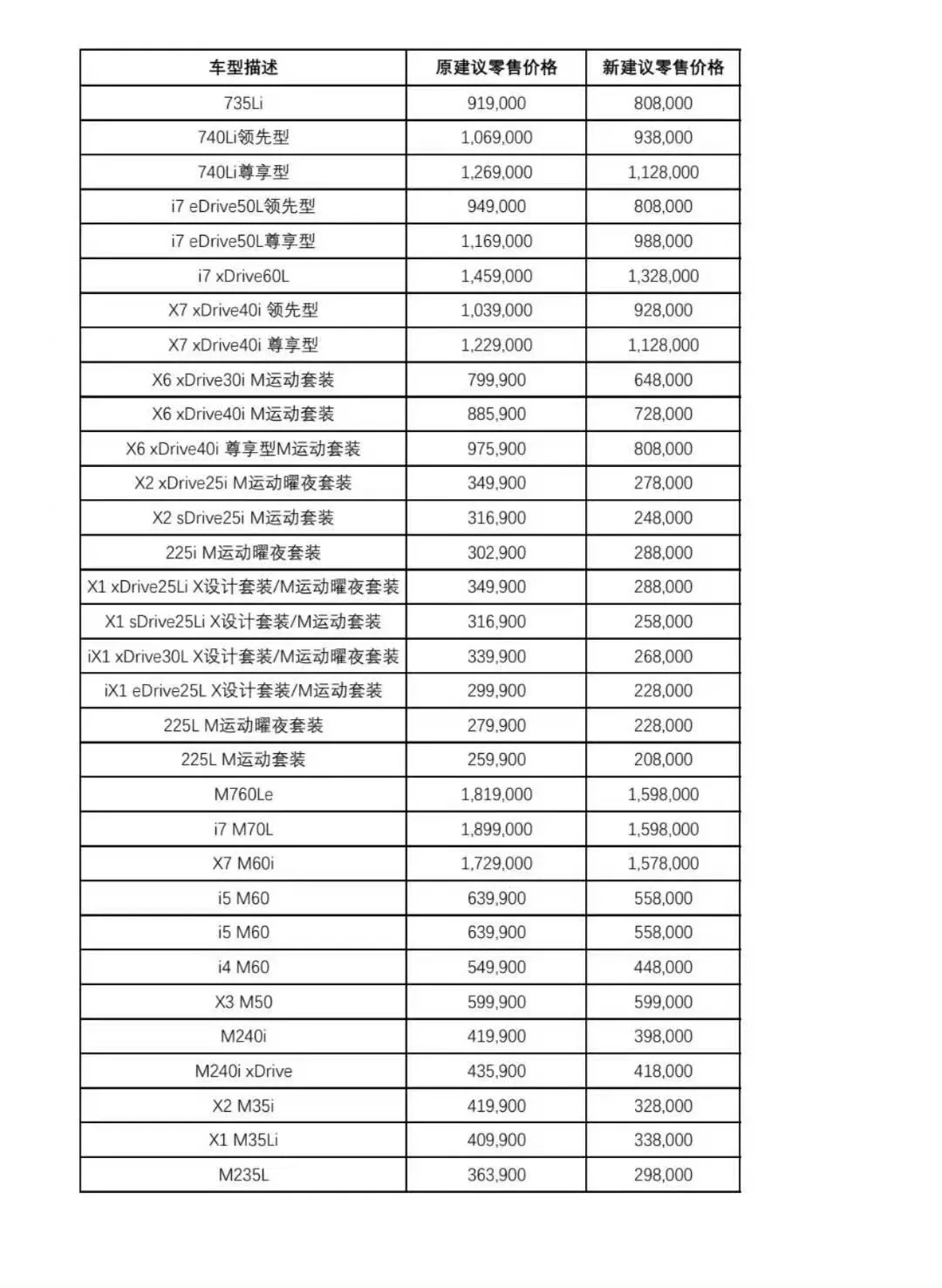
Core Insights - BMW China announced a "systematic value upgrade" on January 1, 2026, marking a significant price reduction across 31 key models, including a notable drop of 301,000 yuan for the flagship electric model i7 M70L, now priced at 1,598,000 yuan [1] - The price cuts are seen as a response to declining market performance in China, with a 11.2% year-on-year drop in sales for the first three quarters of 2025, totaling 465,000 units, which is a stark contrast to a global sales increase of 2.4% [3] Price Adjustments - The price reductions set new records in the luxury car market, with the iX1 eDrive25L seeing a 71,900 yuan decrease (24%), now starting at 228,000 yuan, directly competing with mid-range electric models like Tesla Model Y and BYD Tang EV [2] - The flagship 7 Series also experienced significant price cuts, with the 735Li dropping from 919,000 yuan to 808,000 yuan (12% reduction), and the 740Li leading model decreasing to below 900,000 yuan [2] Market Challenges - BMW's market share in China has been under pressure, with the X5 SUV's sales plummeting to 5,498 units in October 2025, ranking 12th, and the 5 Series lagging behind competitors like Audi A6L [3] - The luxury car market is undergoing a transformation, with new entrants like AITO and Li Auto reshaping consumer perceptions, making traditional brand premiums less relevant [4] Competitive Landscape - The rapid penetration of electric vehicles in China is intensifying competition, with retail penetration rates for new energy passenger vehicles reaching 53.6% in the first 11 months of 2025, and peaking at 59.3% in November [5] - Other luxury brands are also facing sales pressures, with Mercedes-Benz reporting a 14% decline in sales in the first half of 2025, prompting price reductions on key models [5] Strategic Response - BMW's price cuts may trigger a chain reaction in the luxury car market, reflecting a broader shift from brand competition to value competition, posing challenges for traditional luxury automakers in balancing brand equity with market share [5]

最高降30万元!宝马打响2026年车企价格战“第一枪”!下调旗下31款车型建议零售价
Jin Rong Jie· 2026-01-03 07:13
Core Viewpoint - BMW has initiated a significant price adjustment for 31 models in China, with reductions generally exceeding 10%, and some models seeing cuts of over 20% [1][3]. Group 1: Price Adjustments - The price adjustments affect both gasoline and electric vehicles, with flagship models like the i7M70L seeing a reduction of 301,000 yuan, dropping from 1,899,000 yuan to 1,598,000 yuan, a decrease of 16% [1][2]. - The entry-level 735Li model's price has been reduced from 919,000 yuan to 808,000 yuan, a 12% decrease, while the X1 series has seen reductions of 19% and 18% for different variants [1][2]. - After the price adjustments, 10 out of the 31 models will have suggested retail prices below 300,000 yuan, up from only 3 models previously [3]. Group 2: Market Context - BMW's price cuts are described as a strategic response to market dynamics rather than a price war, emphasizing long-term value and product upgrades [4]. - In the first three quarters of 2025, BMW's deliveries in China fell by 11.2% year-on-year, with significant declines in sales for key models like the X5 and 5 Series [4]. - The company reported a revenue decline of 5.6% year-on-year for the first three quarters of 2025, with a total revenue of 999.99 billion euros [5]. Group 3: Competitive Landscape - Competitors such as Mercedes-Benz and Audi have not yet followed BMW's lead in price reductions [6]. - The recent government subsidies for vehicle replacements may influence consumer purchasing behavior and market dynamics in 2026 [8][9].
宝马大降价!“以前想都不敢想”
Zhong Guo Zheng Quan Bao· 2026-01-03 04:50
Core Viewpoint - BMW's recent price cuts in China are a strategic response to declining market performance, aiming to maintain market share amid increasing competition and changing consumer preferences [1][3][4] Group 1: Price Adjustments - BMW has officially reduced prices on 31 key models, with flagship electric model i7M70L seeing a drop of 301,000 yuan, from 1,899,000 yuan to 1,598,000 yuan [1] - The domestic M235L model has fallen below 300,000 yuan for the first time, while the 2 Series four-door coupe has reached a new low of 208,800 yuan [1] - The price cuts are unprecedented in the luxury car market, with significant reductions on electric models like iX1eDrive25L, which dropped by 71,900 yuan (24%), now starting at 228,000 yuan [2] Group 2: Market Performance - BMW's sales in China for the first three quarters of 2025 totaled 465,000 units, a year-on-year decline of 11.2%, representing 26% of global sales [3] - The X5 model, once a market leader, saw sales plummet to 5,498 units in October 2025, ranking 12th, while the 5 Series sold fewer than 8,000 units in August 2025, trailing behind Audi A6L [3][4] Group 3: Competitive Landscape - The rise of new energy vehicle brands like Li Auto and NIO is reshaping consumer perceptions of luxury cars, diminishing the traditional brand premium [4] - The penetration rate of new energy passenger vehicles reached 53.6% in the first 11 months of 2025, indicating a shift from policy-driven to market-driven dynamics [5] - Other luxury brands, such as Mercedes-Benz, are also facing sales pressures, with a 14% decline in the first half of 2025, prompting them to initiate price cuts on key models [5]
比亚迪:全球公务车市场的新能源破局者
Xin Lang Cai Jing· 2025-12-08 06:53
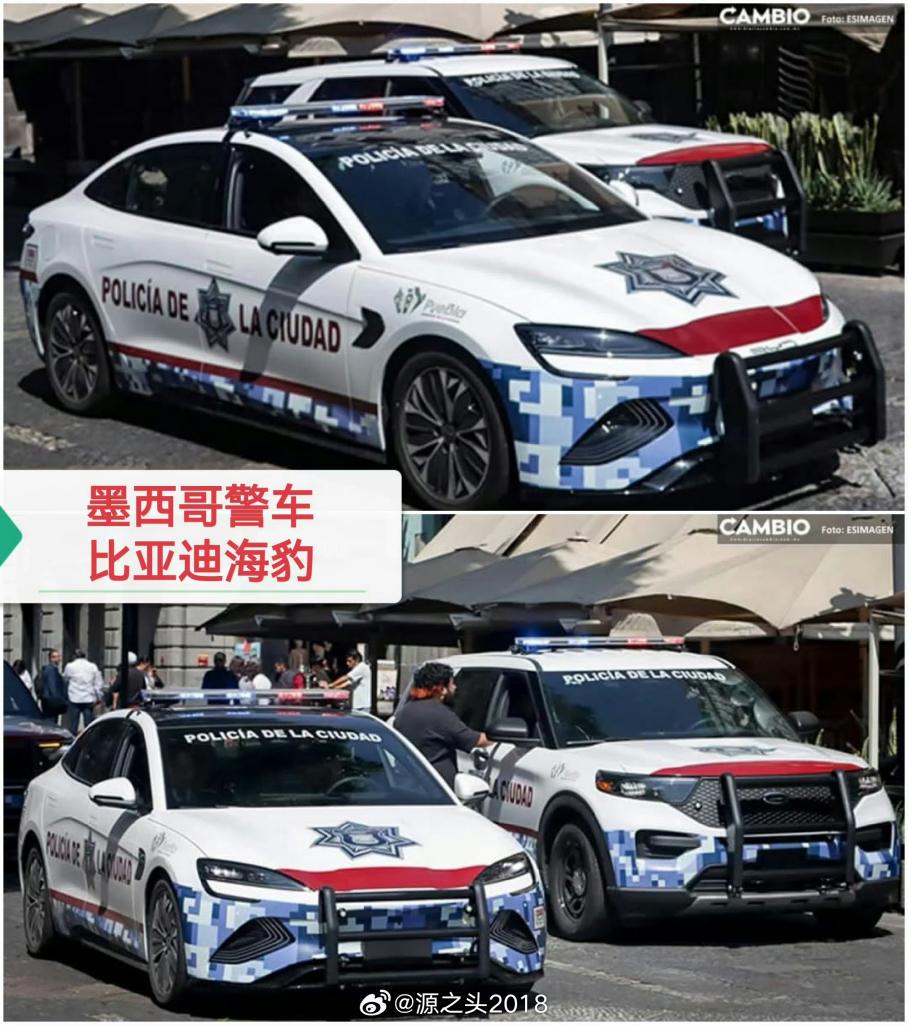
Core Insights - BYD is transforming the global public vehicle market by leveraging technological innovation and local adaptation, breaking the long-standing dominance of local and traditional luxury brands [1][8][13] Market Penetration - The global public vehicle market has historically been dominated by local brands and traditional luxury brands, with German brands holding over 60% of government procurement in Europe [1][8] - The shift towards electric vehicles is rapidly changing this landscape, with countries like Mexico, Hungary, and Brazil adopting BYD vehicles for various public service roles [3][5][6] Environmental Demand - The global push for low-carbon transitions is driving the adoption of electric vehicles in public fleets, with the EU mandating that by 2027, at least 50% of corporate fleets must be electric [5][6] - Traditional fuel vehicles emit approximately 5.08 tons of CO2 annually, while BYD's hybrid and electric models significantly reduce emissions [5] Technological Innovation - BYD's vehicles meet stringent reliability and safety standards required for public procurement, including rigorous testing for extreme conditions [9][10] - The unique blade battery technology and intelligent vehicle control systems enhance performance and reduce maintenance costs for government fleets [10][11] Sales Growth - BYD's overseas sales reached 417,200 units in 2024, with a significant increase to 917,000 units in the first 11 months of 2025, indicating a successful global strategy [12] - The share of overseas revenue in BYD's total revenue rose from 28% in 2024 to 36.5% in the first half of 2025, reflecting a shift from low-cost volume to technology-driven value [12] Industry Implications - BYD's success in the global public vehicle market illustrates a shift in the competitive landscape, moving from geographical advantages to technological value [8][13] - The transformation of BYD's approach signifies a broader change in the perception of Chinese manufacturing, emphasizing quality and innovation over mere quantity [12][13]

“中国制造”向“中国智造”转型典型代表 比亚迪成多国元首选择
Qi Lu Wan Bao· 2025-10-16 05:58
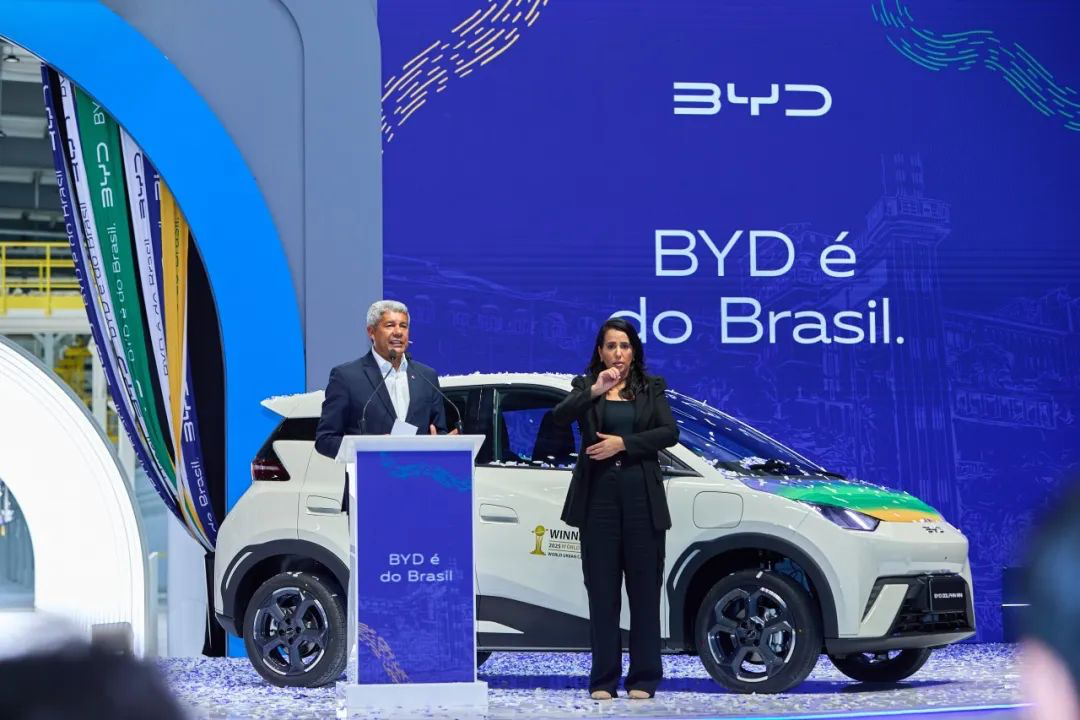
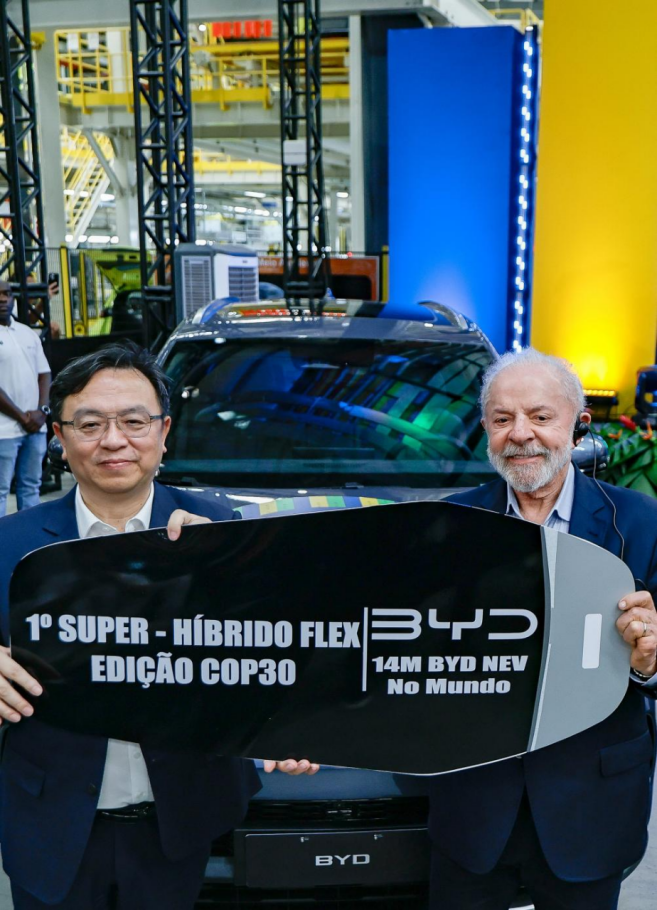
Core Insights - BYD has achieved significant milestones in the global electric vehicle market, with the production of its 14 millionth electric vehicle in Brazil, highlighting its commitment to local development and job creation [1] - The recognition from various heads of state, including Brazil's President Lula and Uzbekistan's President Mirziyoyev, underscores BYD's technological prowess and the growing acceptance of its products in international markets [1][3] - BYD's strategy focuses on not just exporting products but also technology, value, and responsibility, which has garnered widespread recognition from local governments and communities [5] Group 1 - BYD's factory in Brazil celebrated the production of its 14 millionth electric vehicle, with a total sales volume of 77,000 units from January to September 2025, making it the leading electric vehicle seller in Brazil [1] - President Lula's choice of BYD's Tang EV as his personal vehicle reflects strong endorsement and recognition of the brand [1] - The delivery of the Yangwang U8 to Uzbekistan's President Mirziyoyev during his visit to BYD's headquarters showcases the company's commitment to international partnerships and technological demonstrations [1][3] Group 2 - The choice of BYD vehicles by various international leaders, including Jordan's Queen Rania and Nepal's former President Bidhya Devi Bhandari, indicates a growing trend of governmental endorsement for electric vehicles [3] - BYD's comprehensive mastery of the electric vehicle supply chain, including batteries and semiconductors, positions it as a global leader in safety and performance standards [5] - The company's operations span over 110 countries, emphasizing its global reach and the importance of local production facilities in fostering economic growth and technological exchange [5]
半年海外销量超去年全年,比亚迪全球化战略按下加速键
Bei Ke Cai Jing· 2025-07-15 11:39
Core Insights - BYD is expected to become the top-selling automotive company in Brazil, as stated by the Mayor of Rio de Janeiro, Eduardo Paes, who has firsthand experience with the company [1] - The launch of BYD's first passenger car factory outside Asia marks a significant step in its localization strategy, with the first vehicle rolling off the production line just 15 months after construction began [3][6] - BYD's investment in Brazil includes a total of 5.5 billion Brazilian Reais (approximately 7.1 billion RMB) for a large manufacturing complex, which will create 20,000 jobs and produce 150,000 electric and hybrid vehicles annually [4][8] Localization and Global Strategy - The factory in Brazil is designed to produce electric and plug-in hybrid vehicles, with a production capacity of 150,000 units, positioning it as the largest electric and hybrid vehicle manufacturing complex in Latin America [4][6] - BYD's strategy emphasizes local production, with plans to limit imports to no more than 10% of the locally produced vehicles, focusing on models not manufactured in Brazil [6] - The company aims to establish a comprehensive local network, including 240 fully operational dealerships by the end of 2025 [6] Sales Performance and Market Position - Since entering the Brazilian market in 2014, BYD has rapidly become one of its most important overseas markets, with cumulative sales exceeding 130,000 units by May 2025 [8] - In the first half of 2023, BYD's overseas sales surged by 132% year-on-year, with total sales reaching 472,200 units, accounting for 21.63% of its overall sales [13][15] - The company’s global strategy has evolved from merely exporting vehicles to establishing local production and R&D capabilities, enhancing its competitive edge in the global market [12][17]