超豪华汽车电动化

Search documents
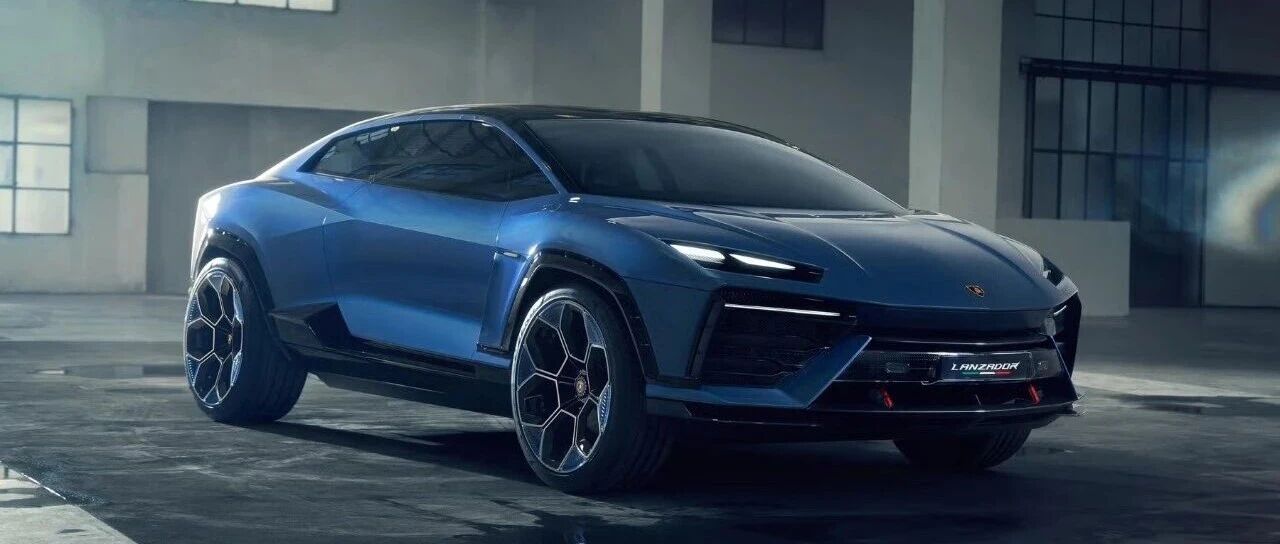
留给兰博基尼CEO的时间,只剩几周
汽车商业评论· 2025-10-13 23:07
Core Viewpoint - Lamborghini is reconsidering its commitment to producing its first all-electric vehicle, the Lanzador, due to a decline in demand for high-end electric sports cars, potentially shifting to a plug-in hybrid model instead [4][5][8]. Group 1: Lamborghini's Strategy - Lamborghini's CEO, Stephan Winkelmann, indicated that the company is evaluating whether to proceed with the Lanzador as a pure electric vehicle or switch to a plug-in hybrid, with a decision expected in the coming weeks [7][9]. - The shift in strategy reflects a broader trend where high-net-worth customers do not currently view electric vehicles as suitable replacements for traditional combustion engine cars, emphasizing the importance of driving experience and convenience [5][12]. - The next-generation Urus is also confirmed to launch as a plug-in hybrid in 2029, indicating a strategic pivot towards hybrid models while delaying full electric offerings [8][12]. Group 2: Market Context - The high-end electric sports car market is experiencing a cooling demand, prompting brands like Lamborghini to adopt a more cautious approach by prioritizing hybrid models to maintain performance and customer experience [8][15]. - Ferrari recently unveiled its first all-electric model, the Elettrica, while adjusting its electric vehicle target from 40% to 20% by 2030, showcasing a more measured approach to electrification [14]. - Other luxury brands, such as Aston Martin and Porsche, have also delayed their electric vehicle timelines, reflecting similar pressures from customer expectations and regulatory uncertainties [15][16]. Group 3: Future Implications - The decision regarding the Lanzador's powertrain will significantly impact Lamborghini's supply chain and market entry timeline, with potential repercussions for the brand's positioning in the luxury electric vehicle segment [15][16]. - The period from 2026 to 2029 is anticipated to be a critical "trial and error" window for luxury performance electrification, as brands navigate their unique customer bases and financial conditions [16].