Lanzador

Search documents
享界法务发布“麋鹿测试”声明;2026年1-2月中国占世界汽车份额30%丨汽车交通日报
创业邦· 2026-03-29 11:15
Group 1 - The core viewpoint of the article highlights the recent developments in the automotive industry, including safety tests, new model launches, and market share projections for China [2][3]. Group 2 - Xiangjie Automotive's legal department issued a statement regarding malicious "moose test" videos of the Xiangjie S9, asserting that the actual test results were 84.1 km/h for the S9 and 83.3 km/h for the S9T, both of which are competitive in the luxury sedan segment [2]. - Lamborghini's CEO, Stephan Winkelmann, announced that the upcoming fourth model, Lanzador, will be a plug-in hybrid (PHEV) instead of a fully electric vehicle, citing a decline in consumer acceptance of electric models in the ultra-luxury market [2]. - GAC Toyota's new electric flagship sedan, the Platinum 7, has received over 10,000 pre-orders, indicating strong market interest [3]. - According to Cui Dongshu from the Passenger Car Association, global automotive sales are projected to reach 96.89 million units in 2025, with a 6% year-on-year increase, while China's market share is expected to peak at 35.4% in 2025 before declining to 29.7% in 2026 [3].


劳斯莱斯、法拉利、兰博基尼、宾利,集体暂缓电动化目标
第一财经· 2026-03-23 06:48
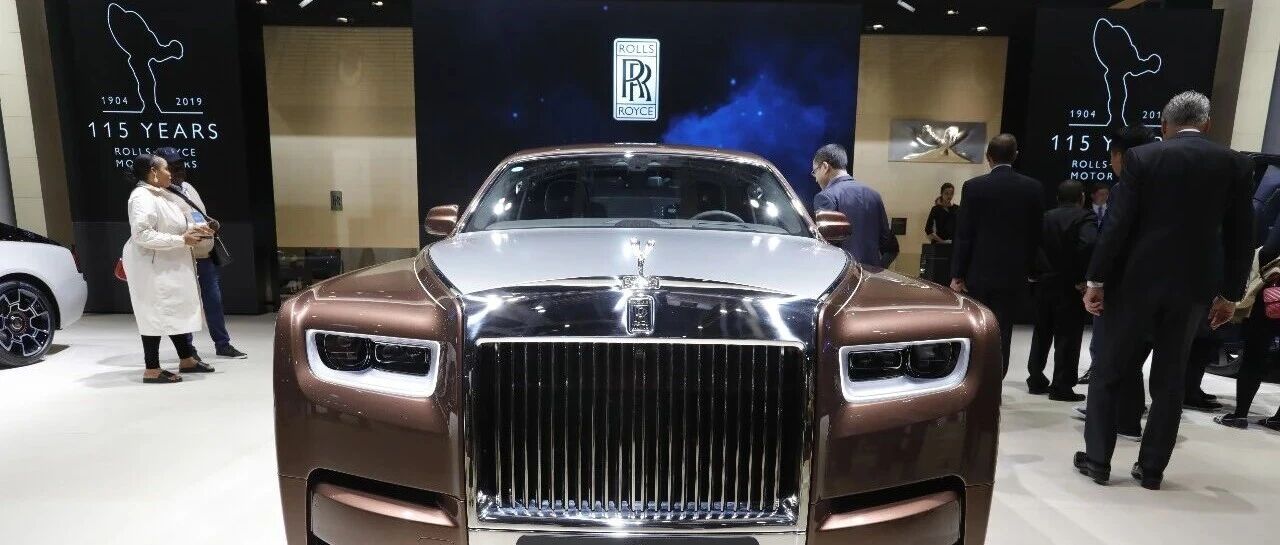
Core Viewpoint - The article discusses the shift in strategy among ultra-luxury car brands, particularly Rolls-Royce, Bentley, Ferrari, and Lamborghini, as they reconsider their electric vehicle (EV) plans in light of changing market conditions and consumer preferences [4][5][6]. Group 1: Rolls-Royce's Strategy - Rolls-Royce has announced that it will continue to produce internal combustion engines, specifically the V12, beyond 2030, reversing a previous commitment to become a fully electric brand by that date [5][6]. - The current CEO, Chris Brownridge, cites changes in regulatory environments, such as the U.S. and EU relaxing their EV mandates, as factors that provide the company with greater flexibility [6]. - Despite the shift, Rolls-Royce maintains that it will continue to introduce electric models, indicating a dual approach to both electric and traditional powertrains [6]. Group 2: Other Ultra-Luxury Brands - Bentley has also adjusted its product strategy, focusing more on plug-in hybrids and internal combustion engines, with its first pure electric model now expected in early 2027, while the second has been postponed to after 2030 [6][7]. - Lamborghini has canceled its planned electric SUV, Lanzador, originally set for 2028, opting instead for a plug-in hybrid version to be released in 2029, reflecting a similar trend in consumer preferences for traditional engine experiences [7]. - Ferrari has reduced its electric vehicle sales target for 2030 from 40% to 20%, delaying its first electric model, Luce, from 2025 to 2026, and prioritizing V12 and hybrid models for profitability [7][8]. - Aston Martin plans to continue using the V12 engine at least until 2032, while facing financial pressures that have led to significant layoffs and a reevaluation of its electric vehicle partnerships [8].
Why is Ferrari (RACE) still relying on its EV, even as Lamborghini backs off?
Yahoo Finance· 2026-03-20 17:16
Group 1: Ferrari N.V. Overview - Ferrari N.V. (NYSE:RACE) is recognized as one of the top 10 auto manufacturer stocks to buy according to analysts [1] - The company is set to launch its first electric vehicle, named the Luce, available for order in spring 2026 [1] - Ferrari has adjusted its electric vehicle sales goal to 20% of overall sales, down from a previous target [1] - The company continues to produce internal combustion vehicles, including models with 12-cylinder engines [1] - Ferrari sells approximately 14,000 vehicles annually, with prices ranging from the low hundreds of thousands to several million dollars [1] Group 2: Market Position and Strategy - RBC Capital analyst Tom Narayan suggests that Ferrari is hedging its risks by transitioning towards electric vehicles while maintaining its traditional internal combustion engine portfolio to cater to its core customer base [1] - In contrast, Lamborghini has halted pure electric vehicle development due to low demand in the luxury supercar segment, opting to focus on hybrid models instead [2] - Lamborghini's executives express that battery-electric vehicles lack the emotional connection associated with gas-powered supercars [2] - Ferrari's independent status allows for a broader market approach compared to Lamborghini, which operates within the Volkswagen Group's corporate framework [2] Group 3: Product Line - Ferrari designs, engineers, produces, and sells luxury sports cars, with notable models including the F12 Berlinetta, 488GTB, 488 Spider, 458 Speciale, California T, LaFerrari Hybrid, LaFerrari, and FF four-wheel drive [3]

VWAGY's Lamborghini Drops EV Launch, Accelerates PHEV Strategy
ZACKS· 2026-02-26 17:21
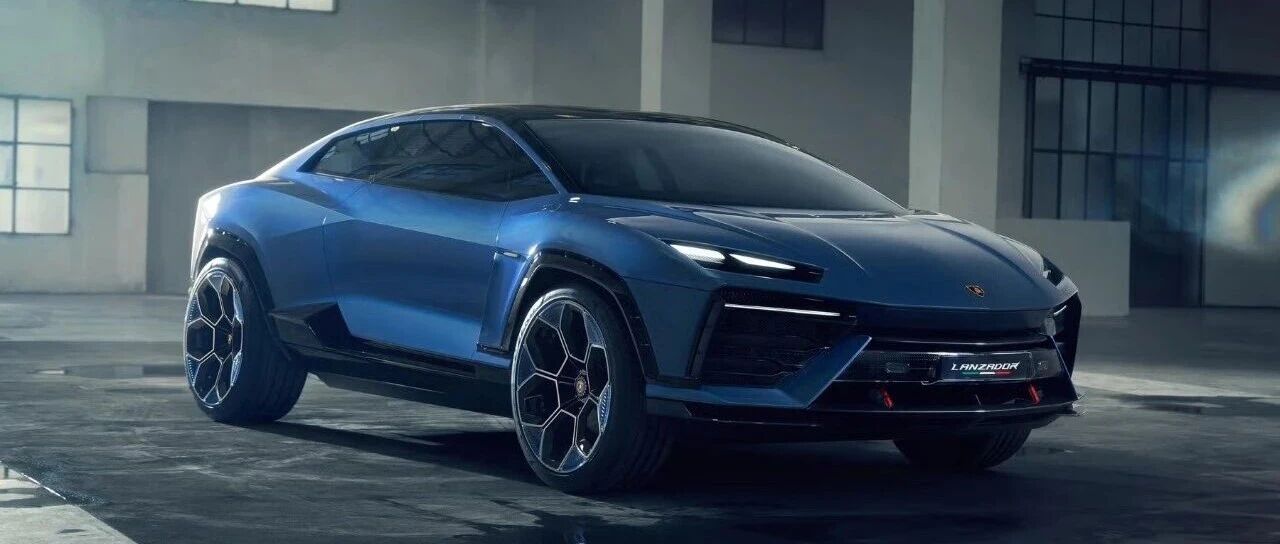
Core Insights - Lamborghini has abandoned plans for its first fully electric vehicle (EV), indicating a significant change in its electrification strategy due to limited customer interest in electric supercars [1][10] Electrification Strategy - The Lanzador, initially introduced as a preview of Lamborghini's electric future, will now be developed as a plug-in hybrid (PHEV) instead of a fully electric model [2][4] - The decision to pivot to a PHEV strategy is influenced by the emotional appeal of traditional performance cars, particularly the sound and driving experience of combustion engines [3][7] - Lamborghini aims for a fully hybrid lineup by 2030, using PHEV technology to balance emission regulations with its performance heritage [6][7] Market Assessment - The company has put other potential EV projects, including a fully electric Urus, on hold, planning to reassess the EV market around 2030 [5][10] - Current models like the Revuelto, Urus, and Temerario already incorporate hybrid technology, allowing Lamborghini to reduce emissions while maintaining brand excitement [6][7]
兰博基尼调整电动化路线,已近乎放弃纯电
Guan Cha Zhe Wang· 2026-02-24 09:59
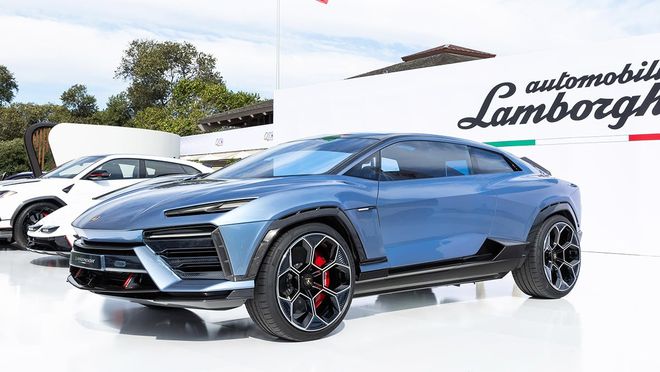
Core Viewpoint - Lamborghini has adjusted its electric vehicle strategy, shifting the Lanzador concept car from a fully electric model to a plug-in hybrid electric vehicle (PHEV) format due to slow acceptance of electric vehicles among target customers [1][3]. Group 1: Strategic Adjustments - The Lanzador, initially planned as a pure electric vehicle, will now be launched as a PHEV, with its release date pushed from 2028 to 2029 [1][3]. - Lamborghini's CEO, Stephan Winkelmann, stated that investing heavily in pure electric development is financially irresponsible given the current market maturity [3]. - The planned pure electric version of the Urus has also been halted, with the next generation of Urus set to debut in 2029 as a plug-in hybrid [3]. Group 2: Current and Future Models - Lamborghini plans to launch the Urus plug-in hybrid version by the end of 2024, while its supercars, Temerario and Revuelto, will only offer hybrid powertrains [3]. - The company is also set to introduce a fourth model that will utilize hybrid technology [3]. Group 3: Industry Comparison - In contrast to Lamborghini's cautious approach, several supercar brands are accelerating their electric vehicle plans, with Ferrari, Bentley, and Rolls-Royce all set to release their first electric models between 2023 and 2026 [4].
兰博基尼终止豪华纯电动车项目,称目标市场需求极低
Xin Lang Cai Jing· 2026-02-24 03:55
Core Viewpoint - Lamborghini's CEO Stephan Winkelmann confirmed that the previously planned electric SUV, Lanzador, will not be included in the future product lineup due to market readiness concerns [1] Group 1: Product Development - The Lanzador was originally scheduled for release in 2028 but has faced multiple delays over the years before the decision to terminate its development [1] - Winkelmann emphasized that investing heavily in electric vehicle development at this stage would be an "expensive hobby" given the current market conditions [1] Group 2: Market Acceptance - The acceptance curve for electric vehicles among Lamborghini's target market is flattening and is approaching zero, indicating a lack of readiness for such products [1]
留给兰博基尼CEO的时间,只剩几周
汽车商业评论· 2025-10-13 23:07
Core Viewpoint - Lamborghini is reconsidering its commitment to producing its first all-electric vehicle, the Lanzador, due to a decline in demand for high-end electric sports cars, potentially shifting to a plug-in hybrid model instead [4][5][8]. Group 1: Lamborghini's Strategy - Lamborghini's CEO, Stephan Winkelmann, indicated that the company is evaluating whether to proceed with the Lanzador as a pure electric vehicle or switch to a plug-in hybrid, with a decision expected in the coming weeks [7][9]. - The shift in strategy reflects a broader trend where high-net-worth customers do not currently view electric vehicles as suitable replacements for traditional combustion engine cars, emphasizing the importance of driving experience and convenience [5][12]. - The next-generation Urus is also confirmed to launch as a plug-in hybrid in 2029, indicating a strategic pivot towards hybrid models while delaying full electric offerings [8][12]. Group 2: Market Context - The high-end electric sports car market is experiencing a cooling demand, prompting brands like Lamborghini to adopt a more cautious approach by prioritizing hybrid models to maintain performance and customer experience [8][15]. - Ferrari recently unveiled its first all-electric model, the Elettrica, while adjusting its electric vehicle target from 40% to 20% by 2030, showcasing a more measured approach to electrification [14]. - Other luxury brands, such as Aston Martin and Porsche, have also delayed their electric vehicle timelines, reflecting similar pressures from customer expectations and regulatory uncertainties [15][16]. Group 3: Future Implications - The decision regarding the Lanzador's powertrain will significantly impact Lamborghini's supply chain and market entry timeline, with potential repercussions for the brand's positioning in the luxury electric vehicle segment [15][16]. - The period from 2026 to 2029 is anticipated to be a critical "trial and error" window for luxury performance electrification, as brands navigate their unique customer bases and financial conditions [16].
新贵VS旧富:超豪华车客群正加速洗牌
3 6 Ke· 2025-09-03 10:19
Core Viewpoint - The luxury car market is facing unprecedented challenges due to the waves of electrification and digitalization, leading to the absence of top brands like Porsche, Bentley, Lamborghini, and Rolls-Royce at the Chengdu Auto Show [1][4]. Group 1: The Current State of Ultra-Luxury Brands - Ultra-luxury brands are experiencing a silent transformation, with historical sales in China peaking, such as Rolls-Royce's nearly 50% growth in 2021 and Bentley's 30% contribution from the Chinese market in 2022 [4][6]. - Some legendary luxury brands have quietly exited the market or undergone restructuring, such as Maybach being absorbed by Mercedes and Hummer transitioning to electric vehicles [6][8]. - Brands like Maserati and Infiniti are facing severe challenges in the Chinese market, with Maserati's 2023 import sales down 12% and Infiniti's sales dropping from 48,000 units in 2017 to 4,237 in 2022 [9][8]. Group 2: The Impact of Electrification - The electrification wave is forcing ultra-luxury brands to choose between embracing electric technology or sticking to traditional powertrains, with Porsche leading the way with over 40% of its global sales from electric models in 2024 [14][16]. - Rolls-Royce's first electric model, Spectre, focuses on luxury and seamless integration of electric technology, while Lamborghini aims for full electrification by 2028 with its Lanzador concept [18][20]. - The transition to electric vehicles is redefining the essence of luxury, with quietness becoming a new competitive point, as seen in Rolls-Royce's Spectre [23]. Group 3: Changing Consumer Demographics - The average age of luxury car owners in China has dropped to 35, significantly younger than in Western markets, indicating a shift in consumer preferences towards technology and personalization [24][26]. - The increasing proportion of female luxury car owners is influencing design language, as more women entrepreneurs and executives become customers [26][28]. - The market is diversifying, with Chinese consumers favoring SUVs and long-wheelbase models, while Western markets prioritize driving experience and customization [28][30]. Group 4: The Future of Luxury Brands - The rise of domestic brands like Li Auto and Zeekr is reshaping the ultra-luxury market, as they leverage a deep understanding of local consumer preferences in electrification and digitalization [33]. - Luxury brands must innovate their storytelling and customer engagement strategies to connect with younger consumers who value experiences over traditional heritage [34].