跨境腐败

Search documents
企图烧掉收受的部分现金
Xin Lang Cai Jing· 2026-01-14 18:39
Core Viewpoint - The article discusses the corruption case of Li Yong, former Deputy Secretary of the Party Committee and General Manager of China National Offshore Oil Corporation (CNOOC), highlighting his involvement in significant bribery and corruption activities, particularly in overseas projects [3][9]. Group 1: Corruption Details - Li Yong was involved in a long-term corruption scheme, utilizing his extensive knowledge of the international offshore oil sector to disguise bribery within seemingly legitimate project collaborations [3][4]. - A businessman named Ren Fengde acted as a "white glove" to collect bribes on behalf of Li Yong, facilitating the concealment of illicit funds overseas [4][5]. - Li Yong received millions of dollars in "thank you fees" from foreign agents, which were then funneled through complex offshore banking routes to obscure their origins [5][10]. Group 2: Investigation and Evidence - The investigation into Li Yong began after receiving tips about his suspicious activities, leading to a data-driven approach to uncover evidence of his corruption [4][10]. - The special investigation team analyzed extensive business records and engaged experts to understand the offshore oil business model, which helped identify irregularities in procurement projects linked to Li Yong [4][6]. - Evidence was gathered through international cooperation, leading to a comprehensive chain of evidence against Li Yong and his associates [5][10]. Group 3: Legal Consequences - In October 2023, Li Yong was placed under investigation and subsequently detained after attempting to destroy evidence of his corruption [9]. - He was sentenced to 14 years in prison for bribery and fined 3 million RMB, with all illicit funds recovered from overseas accounts [9][10].


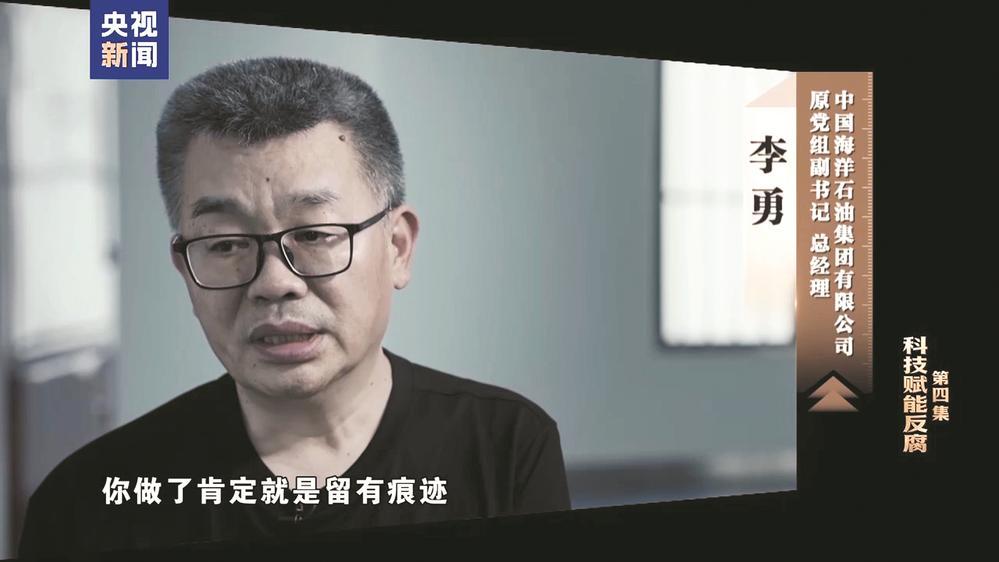
不法商人充当“白手套”,在境外代为收受、流转和存放赃款,中海油原总经理李勇:我就觉得在海外没有调查权,鞭长莫及
Xin Lang Cai Jing· 2026-01-14 16:32
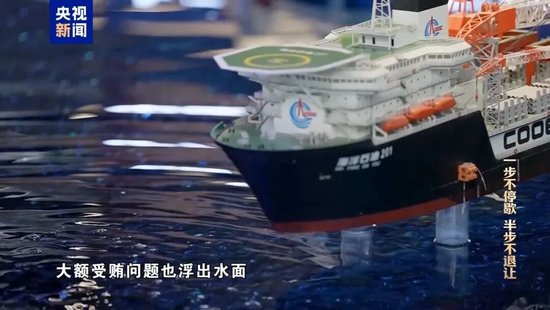
Core Viewpoint - The case of Li Yong, former Deputy Secretary of the Party Committee and General Manager of China National Offshore Oil Corporation (CNOOC), exemplifies cross-border corruption in state-owned enterprises, with over 83% of the illicit funds originating from abroad [3][4]. Group 1: Case Background - Li Yong has worked in the oil sector for nearly 40 years, leveraging his deep understanding of international offshore oil business models to disguise corrupt practices within seemingly legitimate project collaborations [5]. - The investigation into Li Yong began after the Central Commission for Discipline Inspection received tips regarding his suspected serious corruption issues, leading to a comprehensive data-driven inquiry [7][20]. Group 2: Investigation Techniques - Advanced technological methods significantly enhanced the investigation's effectiveness, allowing for rapid identification of key bribery targets through data analysis [9]. - The investigative team utilized a big data platform to analyze Li Yong's business relationships and project documentation, uncovering suspicious activities linked to a businessman named Ren Fengde [10][20]. Group 3: Corruption Mechanisms - Li Yong and Ren Fengde, who had a long-standing personal and professional relationship, engaged in a scheme where Ren acted as a "middleman" to facilitate corrupt transactions while keeping Li Yong's involvement concealed [12][15]. - In a specific instance, Li Yong orchestrated a deal involving an offshore drilling platform, where he arranged for Ren Fengde to receive a commission disguised as a legitimate transaction, effectively masking the bribe [14][17]. Group 4: International Cooperation - The investigation benefited from international cooperation, with the team successfully obtaining critical evidence from multiple countries, thereby closing the evidence chain for the case [22].
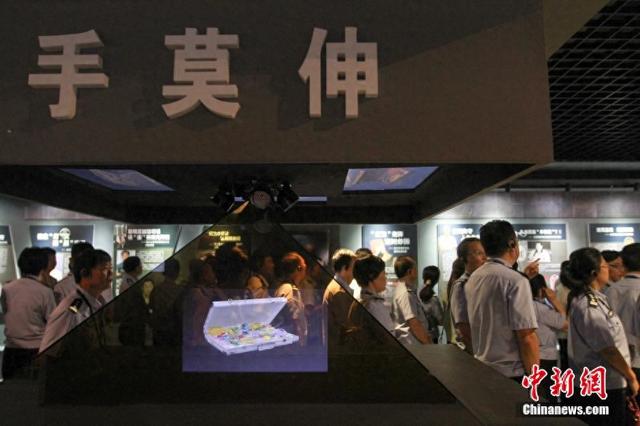
点名重点群体!中央纪委全会公报信息量很大
Xin Lang Cai Jing· 2026-01-14 15:33
Core Viewpoint - The fifth plenary session of the 20th Central Commission for Discipline Inspection outlines key tasks for the next phase of party conduct and anti-corruption efforts, emphasizing the need for enhanced political supervision and targeted actions against corruption in various sectors [1][3][5]. Group 1: Key Focus Areas - The report identifies six key tasks for 2026, with "strengthening political supervision" as the top priority to ensure the successful implementation of the 14th Five-Year Plan [3][4]. - It emphasizes the need to "improve the penetration of anti-corruption efforts" to timely identify and effectively address various corruption issues [5][10]. - The report highlights the importance of strict political and election discipline as local elections approach in 2026, aiming to prevent issues such as "performance engineering" and bureaucratic formalism [6][7]. Group 2: Targeted Sectors for Anti-Corruption - The report specifies sectors requiring intensified anti-corruption scrutiny, including finance, state-owned enterprises, energy, education, associations, development zones, and bidding processes [8][9]. - It stresses the need to address new forms of corruption and hidden corruption, particularly issues related to political-business collusion and the infiltration of capital into political spheres [10]. Group 3: Key Groups and Challenges - The report identifies "two-faced individuals," "key minority," and "young cadres" as critical groups for targeted anti-corruption efforts [11][12]. - It calls for a crackdown on cross-border corruption and emphasizes the need for collaboration in formulating laws against cross-border corruption [12].
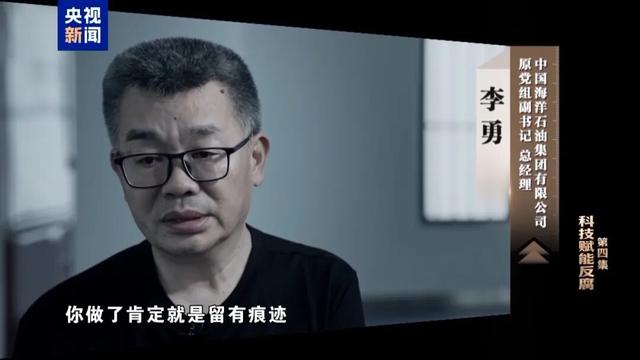
副部级李勇得知他人被留置后极度恐慌,想在阁楼里烧掉收受的现金
Zhong Guo Ji Jin Bao· 2026-01-14 14:07
Core Viewpoint - The documentary "Step Forward, No Retreat" highlights the case of Li Yong, former Deputy Secretary of the Party Committee and General Manager of China National Offshore Oil Corporation (CNOOC), focusing on his involvement in cross-border corruption and the use of technology in anti-corruption efforts [1][2]. Group 1: Case Overview - Li Yong was under investigation by the Central Commission for Discipline Inspection (CCDI) starting March 2024, with significant issues related to cross-border corruption, where over 83% of the illicit funds originated from abroad [1][2]. - The investigation involved cooperation with ten countries and regions to gather evidence related to Li Yong's activities [1]. Group 2: Corruption Mechanisms - Li Yong utilized his extensive knowledge of the international offshore oil business to disguise corrupt practices within seemingly legitimate project collaborations, believing that evidence would be hard to trace [1][2]. - A businessman named Ren Fengde, who had a close relationship with Li Yong, was identified as a key figure in the corruption scheme, receiving contracts that raised suspicions [2][3]. Group 3: Investigation Techniques - The CCDI employed data-driven approaches to investigate Li Yong, analyzing extensive business records and utilizing data technology to identify irregularities [2][6]. - The investigation successfully leveraged international cooperation to obtain critical evidence from foreign jurisdictions, enhancing the effectiveness of the anti-corruption efforts [6][10]. Group 4: Consequences and Sentencing - Li Yong was ultimately found guilty of accepting bribes and was sentenced to 14 years in prison along with a fine of 3 million RMB [10]. - The case serves as a cautionary tale about the consequences of corruption, highlighting the personal and professional ruin faced by Li Yong as a result of his actions [10].
恐惧被查想在阁楼烧掉现金,中海油原总经理李勇贪腐细节披露
Zhong Guo Xin Wen Wang· 2026-01-14 13:55
Core Viewpoint - The case of Li Yong, former General Manager of China National Offshore Oil Corporation (CNOOC), highlights significant issues of cross-border corruption within state-owned enterprises, with over 83% of illicit funds originating from overseas [2][4]. Group 1: Corruption Details - Li Yong was involved in a long-term corruption scheme, managing numerous overseas projects and believing that funds hidden abroad would be difficult to trace [2][4]. - The investigation revealed that a significant portion of the illicit funds was funneled through complex international banking routes, involving multiple countries and offshore accounts [8]. - Li Yong's relationship with businessman Ren Fengde facilitated corrupt practices, including the use of a "middleman" to disguise bribes as legitimate business transactions [6][8]. Group 2: Methods of Corruption - Li Yong exploited high intermediary commissions in overseas projects, colluding with unscrupulous agents to ensure excessive fees, which he then shared [9][11]. - A specific incident involved Li Yong negotiating inflated transaction costs for a drilling platform, where he received millions in bribes disguised as "thank you" payments [6][9]. Group 3: Consequences and Legal Actions - Following a tip-off about Ren Fengde's detention, Li Yong attempted to destroy evidence of his corruption by burning cash, but ultimately realized the futility of this action [12]. - Li Yong was later detained and sentenced to 14 years in prison for accepting bribes, along with a fine of 3 million RMB [12].
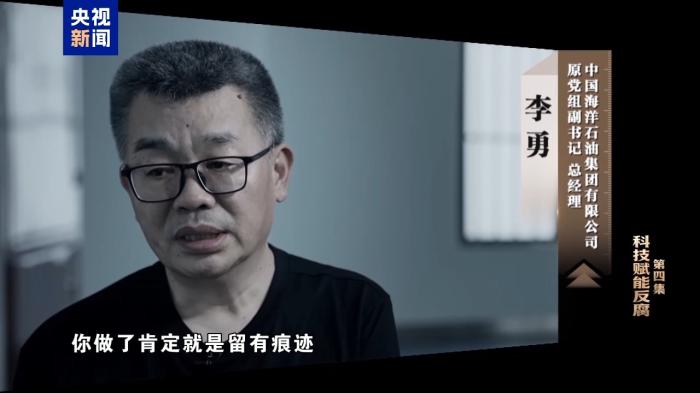
副部级李勇得知他人被留置后极度恐慌,想在阁楼里烧掉收受的现金
中国基金报· 2026-01-14 13:36
Core Viewpoint - The article discusses the case of Li Yong, former Deputy Secretary of the Party Committee and General Manager of China National Offshore Oil Corporation (CNOOC), highlighting the significant issue of cross-border corruption within state-owned enterprises, particularly in the oil sector [4][6]. Group 1: Case Overview - Li Yong was under investigation by the Central Commission for Discipline Inspection and the National Supervisory Commission starting in March 2024 due to serious corruption allegations [4]. - The case is characterized as a typical example of cross-border corruption, with over 83% of the illicit funds originating from overseas [6]. - Li Yong utilized his extensive experience in the international offshore oil sector to disguise corrupt practices within seemingly legitimate project collaborations [6]. Group 2: Investigation Techniques - The investigation employed advanced data analysis techniques to uncover evidence of corruption, including the examination of extensive business records and international cooperation for evidence gathering [9][20]. - The use of big data platforms allowed investigators to identify key business relationships and suspicious activities linked to Li Yong, leading to the discovery of significant irregularities in procurement projects [11][20]. Group 3: Corruption Mechanisms - Li Yong engaged in corrupt practices by facilitating high commissions for foreign agents, which were then funneled through offshore accounts to obscure the source of the funds [17][20]. - A notable case involved a foreign agent who offered Li Yong a "thank you fee" for securing a project, which was disguised through a trusted intermediary, Ren Fengde, to avoid direct association [15][16]. Group 4: Consequences and Sentencing - Following the investigation, Li Yong was found guilty of accepting bribes and was sentenced to 14 years in prison along with a fine of 3 million RMB [27]. - The case serves as a cautionary tale about the consequences of corruption, with Li Yong expressing regret over his actions and the loss of his reputation [29].
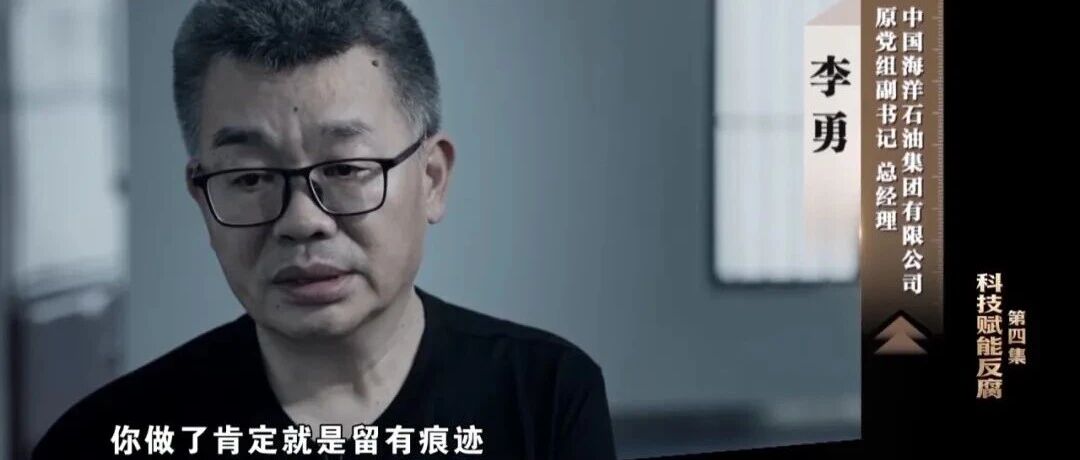
极度恐慌:大“老虎”李勇在情绪崩溃之下,想要在阁楼里烧掉收受的部分现金
Xin Lang Cai Jing· 2026-01-14 12:54
Core Viewpoint - The article discusses the corruption case of Li Yong, former Deputy Secretary of the Party Group and General Manager of China National Offshore Oil Corporation (CNOOC), highlighting his involvement in cross-border corruption and the subsequent investigation by the Central Commission for Discipline Inspection and National Supervisory Commission [1][20]. Group 1: Corruption Details - Li Yong was responsible for overseeing numerous overseas projects for CNOOC, where he engaged in corrupt practices, particularly through inflated commissions paid to foreign agents [20][22]. - In one overseas technical service project, CNOOC's subsidiary paid unreasonable high commissions to an agent named Sun, which Li initially attempted to negotiate down but ultimately accepted bribes from [22][24]. - Li's actions included receiving cash in a box from Sun, indicating a direct exchange of money for favorable treatment [24][26]. Group 2: Investigation and Consequences - Following his retirement in October 2023, Li Yong faced an investigation after being alerted to the detention of a businessman involved in corrupt dealings with him, leading to his panic and an attempt to destroy evidence [32][34]. - He was subsequently detained and found guilty of using his position to benefit others while accepting large sums of money, resulting in a 14-year prison sentence and a fine of 3 million RMB [34][36]. - Li expressed regret over his actions, stating that he has lost everything and feels a sense of despair over his legacy [37].