
大数据反腐

Search documents
企图烧掉收受的部分现金
Xin Lang Cai Jing· 2026-01-14 18:39
Core Viewpoint - The article discusses the corruption case of Li Yong, former Deputy Secretary of the Party Committee and General Manager of China National Offshore Oil Corporation (CNOOC), highlighting his involvement in significant bribery and corruption activities, particularly in overseas projects [3][9]. Group 1: Corruption Details - Li Yong was involved in a long-term corruption scheme, utilizing his extensive knowledge of the international offshore oil sector to disguise bribery within seemingly legitimate project collaborations [3][4]. - A businessman named Ren Fengde acted as a "white glove" to collect bribes on behalf of Li Yong, facilitating the concealment of illicit funds overseas [4][5]. - Li Yong received millions of dollars in "thank you fees" from foreign agents, which were then funneled through complex offshore banking routes to obscure their origins [5][10]. Group 2: Investigation and Evidence - The investigation into Li Yong began after receiving tips about his suspicious activities, leading to a data-driven approach to uncover evidence of his corruption [4][10]. - The special investigation team analyzed extensive business records and engaged experts to understand the offshore oil business model, which helped identify irregularities in procurement projects linked to Li Yong [4][6]. - Evidence was gathered through international cooperation, leading to a comprehensive chain of evidence against Li Yong and his associates [5][10]. Group 3: Legal Consequences - In October 2023, Li Yong was placed under investigation and subsequently detained after attempting to destroy evidence of his corruption [9]. - He was sentenced to 14 years in prison for bribery and fined 3 million RMB, with all illicit funds recovered from overseas accounts [9][10].


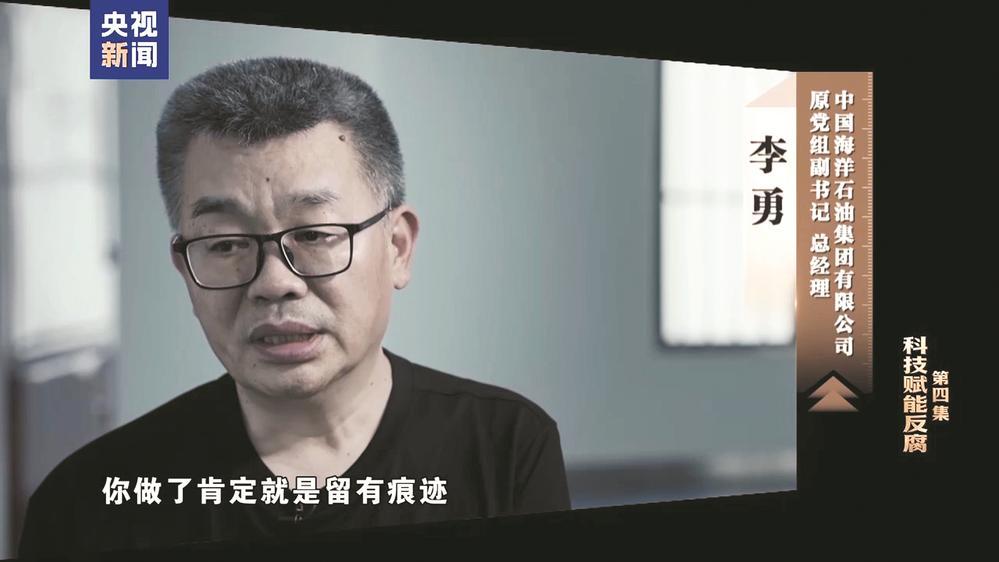
中纪委监委详解境外取证追赃思路:境外已不再是“避罪天堂”
Nan Fang Du Shi Bao· 2026-01-14 16:53
Core Viewpoint - The documentary highlights the increasing effectiveness of anti-corruption efforts in China, particularly in addressing cross-border corruption, showcasing a specific case involving Li Yong, a former executive of China National Offshore Oil Corporation (CNOOC) [1][10]. Group 1: Case Overview - Li Yong, former Deputy Secretary of the Party Committee and General Manager of CNOOC, is under investigation for severe corruption, with over 83% of the illicit funds originating from overseas [1][10]. - The case exemplifies the challenges of cross-border corruption, where corrupt officials believed they could evade scrutiny by transferring illicit gains abroad [1][4]. Group 2: Investigation Techniques - The investigation utilized big data and information technology to analyze Li Yong's extensive business dealings and relationships, leading to the identification of suspicious activities [4][9]. - A key figure in the investigation, businessman Ren Fengde, was found to have close ties with Li Yong, facilitating corrupt transactions through a network of offshore accounts [5][8]. Group 3: International Cooperation - The investigation involved collaboration with multiple countries to gather evidence, demonstrating the effectiveness of international legal cooperation in combating corruption [8][11]. - The successful retrieval of evidence and recovery of illicit funds from abroad underscores the importance of global partnerships in anti-corruption efforts [11]. Group 4: Outcomes and Implications - Li Yong was sentenced to 14 years in prison and fined 3 million RMB for his corrupt activities, highlighting the consequences of cross-border corruption [10]. - The case serves as a warning that no one is above the law, even in international contexts, reinforcing the message that overseas locations are not safe havens for corrupt officials [11].
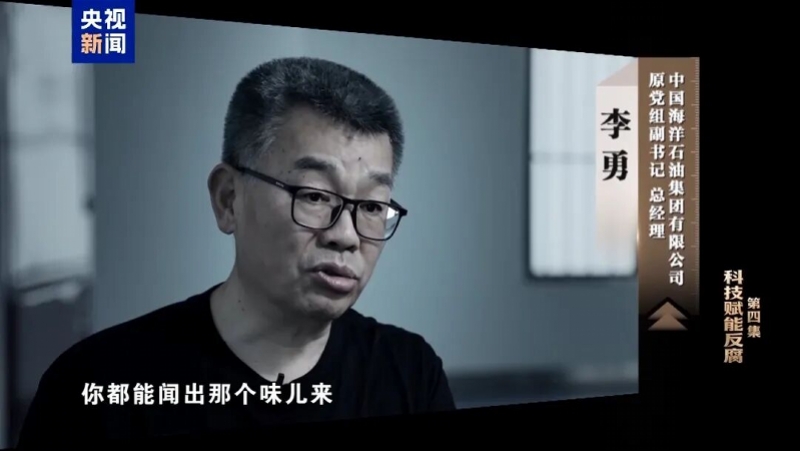
极度恐慌、情绪崩溃,李勇在阁楼烧现金企图脱罪
中国能源报· 2026-01-14 14:33
Core Viewpoint - The article discusses the case of Li Yong, former Deputy Secretary of the Party Committee and General Manager of China National Offshore Oil Corporation (CNOOC), highlighting the use of technology in anti-corruption efforts and the challenges of cross-border corruption investigations [1][6][8]. Group 1: Case Background - Li Yong was involved in significant overseas projects for CNOOC, with a prominent issue of cross-border corruption [6]. - Over 83% of the illicit funds in Li Yong's case originated from abroad, with investigations spanning 10 countries and regions [8]. - Li Yong believed that operating overseas would shield him from investigations, thinking that evidence would be hard to trace [12]. Group 2: Investigation Techniques - The disciplinary inspection and supervision authorities utilized big data and information technology to enhance the effectiveness of their investigations [1][17]. - A specialized task force analyzed extensive business records and employed data collision techniques to identify key suspects linked to Li Yong [15][17]. - The investigation revealed suspicious procurement projects linked to a businessman named Ren Fengde, who had close ties with Li Yong [18][22]. Group 3: Corruption Methods - Li Yong engaged in corrupt practices by disguising bribery within seemingly legitimate project collaborations, believing he could evade detection [10][26]. - He facilitated the receipt of bribes through intermediaries, such as Ren Fengde, who acted as a "white glove" to obscure the transactions [26][31]. - Li Yong's methods included creating offshore accounts to hide illicit funds, complicating the money trail across multiple jurisdictions [37][39]. Group 4: Consequences and Legal Actions - Following the investigation, Li Yong was placed under scrutiny and ultimately detained, leading to a conviction for bribery with a sentence of 14 years in prison and a fine of 3 million yuan [59][61]. - The case exemplifies the effectiveness of international cooperation in anti-corruption efforts, with successful evidence collection from foreign jurisdictions [39].
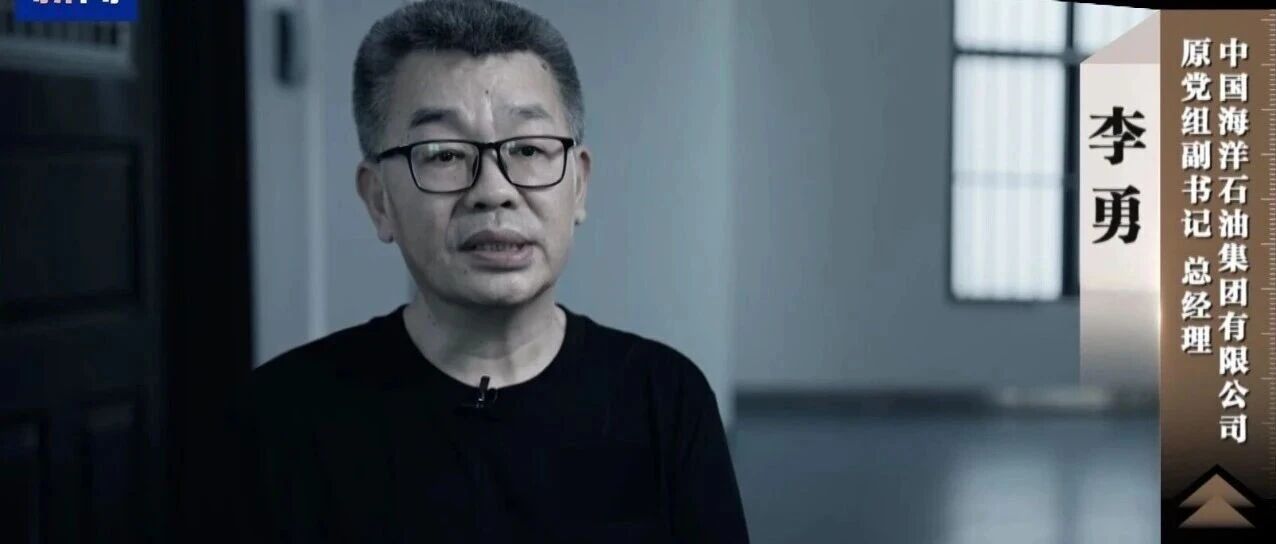
极度恐慌、情绪崩溃,落马官员李勇曾在阁楼烧现金企图脱罪
Xin Hua Wang· 2026-01-14 14:28
Core Viewpoint - The documentary highlights the increasing efforts of China's disciplinary inspection and supervision agencies in combating cross-border corruption, utilizing big data and information technology to uncover and investigate numerous cases, including that of Li Yong, a former executive at China National Offshore Oil Corporation (CNOOC) [1][12]. Group 1: Corruption Case of Li Yong - Li Yong, who worked in the oil sector for nearly 40 years, is suspected of serious corruption, with significant amounts of bribe money hidden overseas [3][5]. - The investigation into Li Yong was initiated after receiving tips about his activities, leading to a comprehensive analysis of his business dealings and the identification of suspicious transactions involving a businessman named Ren Fengde [3][7]. - Li Yong and Ren Fengde, who have a long-standing personal and professional relationship, engaged in a scheme where Ren acted as a "white glove" to facilitate bribe payments while obscuring Li's involvement [5][8]. Group 2: Investigation and Legal Consequences - The investigation revealed that Li Yong received millions of dollars in bribes, which were then funneled through complex offshore banking routes to evade detection [7][12]. - Li Yong was ultimately sentenced to 14 years in prison for bribery, with a fine of 3 million yuan, and all overseas illicit funds were successfully recovered [10][12]. - The case underscores the importance of international cooperation in anti-corruption efforts and the use of technology to track and recover illicit assets, marking a significant step in addressing cross-border corruption [12].
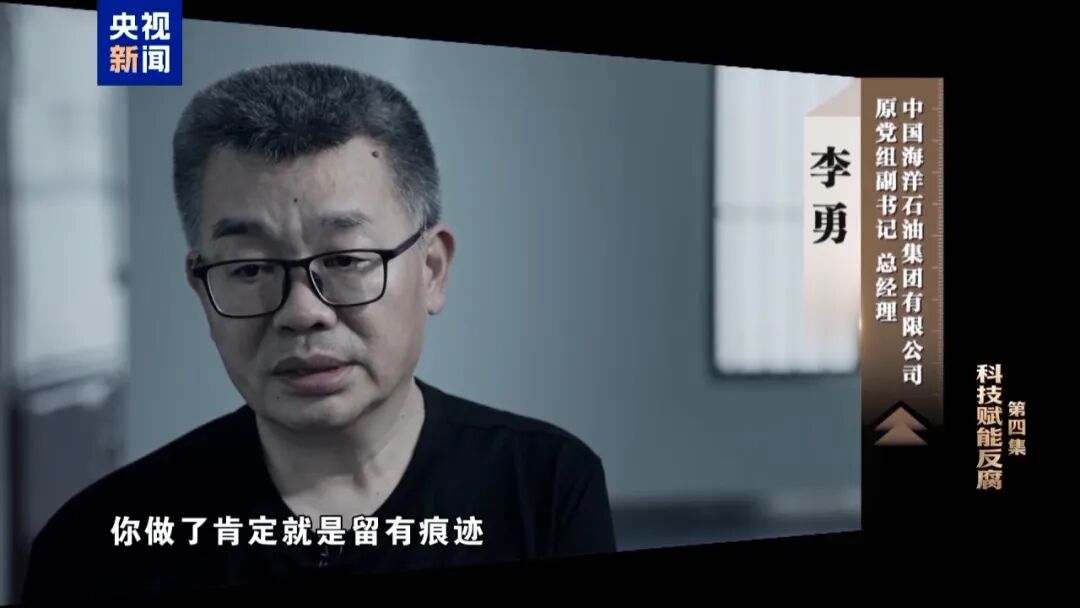
副部级李勇得知他人被留置后极度恐慌,想在阁楼里烧掉收受的现金
Zhong Guo Ji Jin Bao· 2026-01-14 14:07
Core Viewpoint - The documentary "Step Forward, No Retreat" highlights the case of Li Yong, former Deputy Secretary of the Party Committee and General Manager of China National Offshore Oil Corporation (CNOOC), focusing on his involvement in cross-border corruption and the use of technology in anti-corruption efforts [1][2]. Group 1: Case Overview - Li Yong was under investigation by the Central Commission for Discipline Inspection (CCDI) starting March 2024, with significant issues related to cross-border corruption, where over 83% of the illicit funds originated from abroad [1][2]. - The investigation involved cooperation with ten countries and regions to gather evidence related to Li Yong's activities [1]. Group 2: Corruption Mechanisms - Li Yong utilized his extensive knowledge of the international offshore oil business to disguise corrupt practices within seemingly legitimate project collaborations, believing that evidence would be hard to trace [1][2]. - A businessman named Ren Fengde, who had a close relationship with Li Yong, was identified as a key figure in the corruption scheme, receiving contracts that raised suspicions [2][3]. Group 3: Investigation Techniques - The CCDI employed data-driven approaches to investigate Li Yong, analyzing extensive business records and utilizing data technology to identify irregularities [2][6]. - The investigation successfully leveraged international cooperation to obtain critical evidence from foreign jurisdictions, enhancing the effectiveness of the anti-corruption efforts [6][10]. Group 4: Consequences and Sentencing - Li Yong was ultimately found guilty of accepting bribes and was sentenced to 14 years in prison along with a fine of 3 million RMB [10]. - The case serves as a cautionary tale about the consequences of corruption, highlighting the personal and professional ruin faced by Li Yong as a result of his actions [10].
赃款藏海外、商人充当“白手套”,李勇跨境腐败细节曝光
21世纪经济报道· 2026-01-14 13:21
Core Viewpoint - The article discusses the increasing efforts of China's disciplinary inspection and supervision agencies in combating cross-border corruption, highlighting the case of Li Yong, a former executive of China National Offshore Oil Corporation (CNOOC), who was investigated for serious corruption issues related to overseas projects [1][5][18]. Group 1: Case of Li Yong - Li Yong, who worked in the oil sector for nearly 40 years, was suspected of serious corruption, particularly in overseas projects, where he concealed large amounts of bribe money [3][5]. - The investigation into Li Yong was initiated after receiving tips about his suspicious activities, leading to a comprehensive analysis of his business dealings and the use of data technology to uncover evidence [5][9]. - Li Yong had a close relationship with a businessman named Ren Fengde, who acted as a "white glove" to facilitate bribe payments, allowing Li to distance himself from direct involvement [7][9]. Group 2: Mechanisms of Corruption - Li Yong engaged in corrupt practices by inflating transaction costs and allowing unreasonably high commissions in overseas projects, which he believed were well-concealed [11][14]. - In one instance, he received a "thank you fee" of several million dollars from an agent after helping them win a bid, which was then funneled through offshore accounts to obscure its origin [9][10]. - The investigation revealed that Li Yong's corrupt activities not only harmed state interests but also involved threats from agents when he attempted to negotiate lower commissions [13][14]. Group 3: Legal Consequences and Recovery of Assets - Following the investigation, Li Yong was sentenced to 14 years in prison and fined 3 million RMB for accepting bribes [15][18]. - The disciplinary agencies successfully recovered all of Li Yong's overseas illicit funds, demonstrating a commitment to tackling both domestic and international corruption [18]. - The case exemplifies the ongoing efforts to enhance international cooperation in anti-corruption measures and the use of technology to track and recover illicit assets [18].
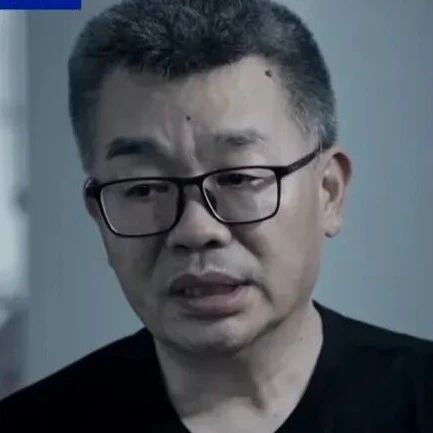
极度恐慌、情绪崩溃,副部级李勇在阁楼烧现金企图脱罪
2 1 Shi Ji Jing Ji Bao Dao· 2026-01-14 13:15
Core Viewpoint - The documentary highlights the case of Li Yong, former Deputy Secretary of the Party Committee and General Manager of China National Offshore Oil Corporation (CNOOC), emphasizing the role of technology in enhancing anti-corruption efforts through digital monitoring and data analysis [1][5][37]. Group 1: Case Overview - Li Yong has been under investigation since March 2024 for serious corruption issues related to his extensive overseas projects [5]. - The case is characterized as a typical example of cross-border corruption in state-owned enterprises, with over 83% of the illicit funds originating from abroad [7]. - Li Yong's long tenure in the oil sector allowed him to disguise corrupt practices within seemingly legitimate business collaborations [9]. Group 2: Investigative Techniques - The disciplinary inspection and supervision authorities utilized big data and information technology to uncover Li Yong's corruption, leading to a comprehensive analysis of his business dealings [11][14]. - The investigation involved international cooperation across ten countries and regions to gather evidence [7][27]. - Data analysis revealed suspicious relationships and transactions, particularly involving a businessman named Ren Fengde, who was found to have significant ties to Li Yong [15][17]. Group 3: Corruption Mechanisms - Li Yong facilitated corrupt transactions by using intermediaries to obscure the flow of illicit funds, including setting up offshore accounts [19][25]. - He engaged in schemes where high commissions were paid to foreign agents, which were then funneled back to him through complex financial arrangements [29][31]. - The investigation uncovered that Li Yong had received millions in bribes disguised as "thank you fees" for facilitating contracts [23][19]. Group 4: Consequences and Sentencing - Following the investigation, Li Yong was detained and ultimately sentenced to 14 years in prison for bribery, along with a fine of 3 million yuan [37]. - The case serves as a cautionary tale about the consequences of corruption, highlighting the irreversible damage to personal reputation and public trust [39].
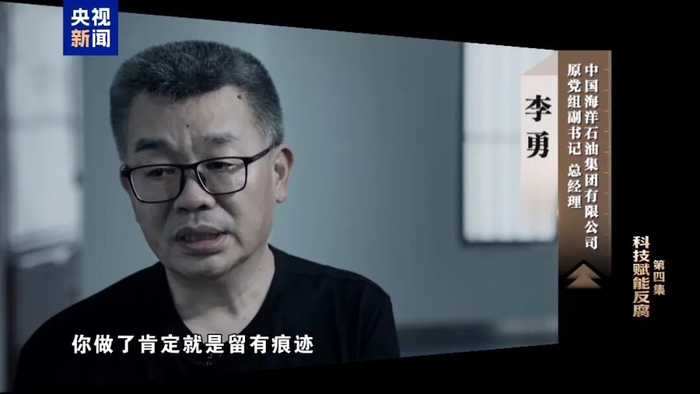
极度恐慌:大“老虎”李勇在情绪崩溃之下,想要在阁楼里烧掉收受的部分现金
Xin Lang Cai Jing· 2026-01-14 12:54
Core Viewpoint - The article discusses the corruption case of Li Yong, former Deputy Secretary of the Party Group and General Manager of China National Offshore Oil Corporation (CNOOC), highlighting his involvement in cross-border corruption and the subsequent investigation by the Central Commission for Discipline Inspection and National Supervisory Commission [1][20]. Group 1: Corruption Details - Li Yong was responsible for overseeing numerous overseas projects for CNOOC, where he engaged in corrupt practices, particularly through inflated commissions paid to foreign agents [20][22]. - In one overseas technical service project, CNOOC's subsidiary paid unreasonable high commissions to an agent named Sun, which Li initially attempted to negotiate down but ultimately accepted bribes from [22][24]. - Li's actions included receiving cash in a box from Sun, indicating a direct exchange of money for favorable treatment [24][26]. Group 2: Investigation and Consequences - Following his retirement in October 2023, Li Yong faced an investigation after being alerted to the detention of a businessman involved in corrupt dealings with him, leading to his panic and an attempt to destroy evidence [32][34]. - He was subsequently detained and found guilty of using his position to benefit others while accepting large sums of money, resulting in a 14-year prison sentence and a fine of 3 million RMB [34][36]. - Li expressed regret over his actions, stating that he has lost everything and feels a sense of despair over his legacy [37].
派驻中管企业纪检监察组坚决惩治腐败 以高质量办案保障高质量发展
Zhong Yang Ji Wei Guo Jia Jian Wei Wang Zhan· 2025-11-27 00:24
Group 1 - The National Pipeline Group's Fujian branch has expelled a former level-five specialist for serious disciplinary violations, and the case has been transferred to the prosecution for legal review [1] - The Central Commission for Discipline Inspection (CCDI) emphasizes the importance of addressing corruption in state-owned enterprises to protect state assets and maintain the Party's governance foundation [1] - The CCDI is committed to a high-pressure stance against corruption, focusing on key issues, areas, and new forms of corruption, ensuring strict enforcement against those who do not comply [1] Group 2 - The CCDI's inspection teams are intensifying efforts to address corruption in coal sales, procurement, and construction, particularly targeting severe violations related to coal [2] - The use of big data analysis is being promoted to enhance the quality of case investigations, with a focus on identifying and addressing hidden corruption [3] - The CCDI is developing guidelines and handbooks to standardize and improve the quality of case handling in state-owned enterprises [4]