跨媒介转化

Search documents
探索中国诗歌的生命空间(圆桌谈)
Ren Min Ri Bao Hai Wai Ban· 2026-01-07 23:00
Core Insights - The forum "Local and Coordinates - Geographical Imagery in Chinese Poetry" was held to explore the relationship between geography and poetry, highlighting the significance of geographical imagination in the creation of Chinese poetry [3][4]. Group 1: Geographical Imagination and Cultural Construction - Geographical imagination in Chinese poetry is a dynamic system that reflects differences in poetic expression across time [4]. - The concept of geography influences the expansion of literary and linguistic concepts, enriching the vocabulary and semantics of Chinese literature and poetry [4]. - The "Baiyangdian Poetry Community" emerged from a unique geographical environment, where young poets were inspired by the natural and cultural landscape, leading to the creation of notable poetry [5]. - Statistics indicate that nearly 5,000 place names appear in the approximately 50,000 poems from the Tang dynasty, underscoring the importance of geography in Chinese poetry [6]. Group 2: Cross-Media Transformation and Cross-Cultural Communication - Various media forms, such as television programs and documentaries, enhance the dissemination of poetry, engaging youth and fostering cultural appreciation [7]. - The program "Poetic China" has reached over 10 million participants, highlighting its role in promoting Chinese culture among the youth [7]. - The rise of artificial intelligence poses challenges and opportunities for poetry, emphasizing the need for human expression to remain central in poetic creation [8][9]. - Historical exchanges between Chinese poetry and Western literature illustrate the cultural significance of poetry as a medium for cross-cultural communication [10]. - Poetry recitation serves as a bridge for cultural exchange, allowing individuals from different backgrounds to connect emotionally through shared literary experiences [11].


有文化特色,更有情感共鸣(艺海观澜)
Ren Min Ri Bao· 2025-06-16 22:13
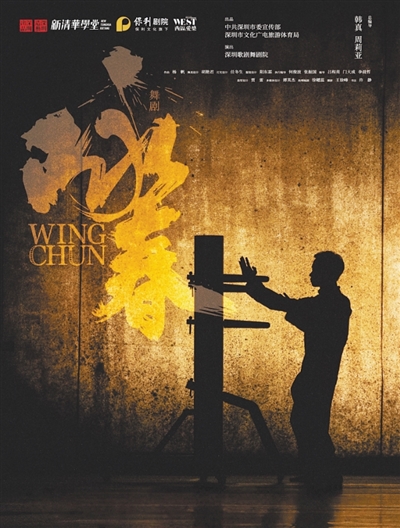
Core Viewpoint - The dance drama "Yongchun" has successfully integrated traditional intangible cultural heritage elements into its narrative, achieving both critical acclaim and box office success globally, with over 200 performances in 49 cities [1][2]. Group 1: Artistic Integration - "Yongchun" employs a narrative strategy that combines traditional martial arts and cultural elements, specifically showcasing Wing Chun and other martial arts styles, which enhances the dramatic tension and character development [2]. - The drama explores the relationship between ordinary people and the martial arts world, emphasizing the theme that "every ordinary person can be a hero" through the character of Zhu Rou Rong and his struggles against evil forces [2]. - The internal conflict of the protagonist, Ye Wen, is depicted through his personal dance segments, reflecting his emotional struggles and the challenges he faces in promoting Wing Chun [2]. Group 2: Cross-Media Exploration - The dance segments, particularly those involving the traditional fabric "Xiangyunsha," creatively merge the characteristics of the fabric with the emotional narrative, enhancing the overall aesthetic experience [4]. - The production utilizes lighting, stage design, and choreography to express universal human emotions, transcending the specific cultural context of Guangdong's intangible heritage [4][5]. - The exploration of intangible cultural heritage in "Yongchun" goes beyond mere representation, aiming to convey deeper spiritual meanings and emotional connections [5].