车市转型升级

Search documents
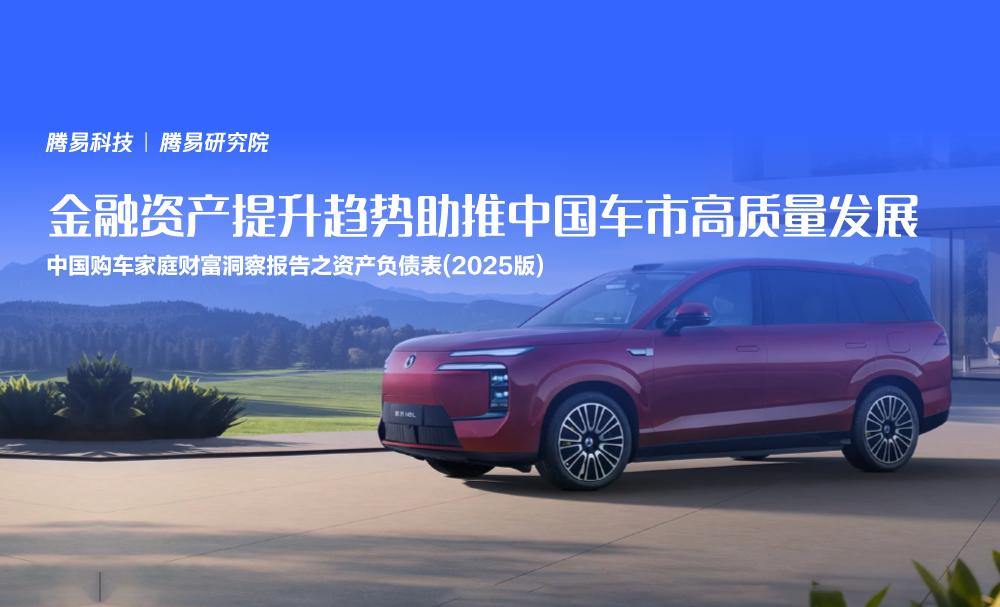
腾易研究院发布中国购车家庭财富洞察报告之资产负债表 (2025版) :金融资产提升趋势助推中国车市高质量发展
Sou Hu Wang· 2025-10-20 12:33
Group 1 - The core viewpoint of the article highlights the transformation of China's car market, driven by rising disposable income among car-buying families and a shift in spending priorities from housing to child-rearing and travel [4][9][31] - In 2024, the average disposable income of car-buying families in China surpassed 200,000 yuan, reaching 204,900 yuan, while their spending slightly decreased to 140,900 yuan, resulting in a savings increase to 64,000 yuan [4][21] - The reduction in housing loan burdens has allowed families to redirect their spending towards cars, travel, and entertainment, positioning the car market as a potential driver for domestic demand [6][7][31] Group 2 - The proportion of housing loan repayments in family expenditures has significantly decreased from over 70% in 2019 to 56.46% in 2024, allowing for increased discretionary spending [6][31] - The average age of car-buying families has risen to over 40, with a growing proportion of middle-class families, indicating a shift in the demographic profile of car buyers [4][10][31] - The trend of child-rearing expenses is expected to surpass housing costs as the primary expenditure for families by 2025-2030, leading to a more personalized and quality-driven car market [9][10][31] Group 3 - Post-pandemic, travel spending among car-buying families has surged, with over 35% of families spending more than 15% of their income on travel in 2024, indicating a strong correlation between travel and car purchases [12][13] - The rise of self-driving tours is reshaping the high-end car market, with local brands benefiting from this trend as they cater to family-oriented travel needs [13][31] - The shift in family spending from housing to financial assets is expected to enhance the quality of car purchases, with financial assets projected to exceed 50% of total assets by 2030 [23][24][31] Group 4 - The article emphasizes the need for car manufacturers to adapt their strategies to meet the evolving demands of families, particularly in smaller cities where the market is expected to grow significantly [26][27][31] - The focus on high-end products must also consider the price sensitivity of consumers in smaller cities, as they seek value-driven options [27][31] - The potential for a new era of car consumption characterized by quality and personalization is anticipated as families increasingly prioritize child-rearing and travel in their spending [10][31]