
转运税

Search documents
罗志恒:“对等关税2.0”有哪些变化,影响几何
Di Yi Cai Jing· 2025-08-07 04:30
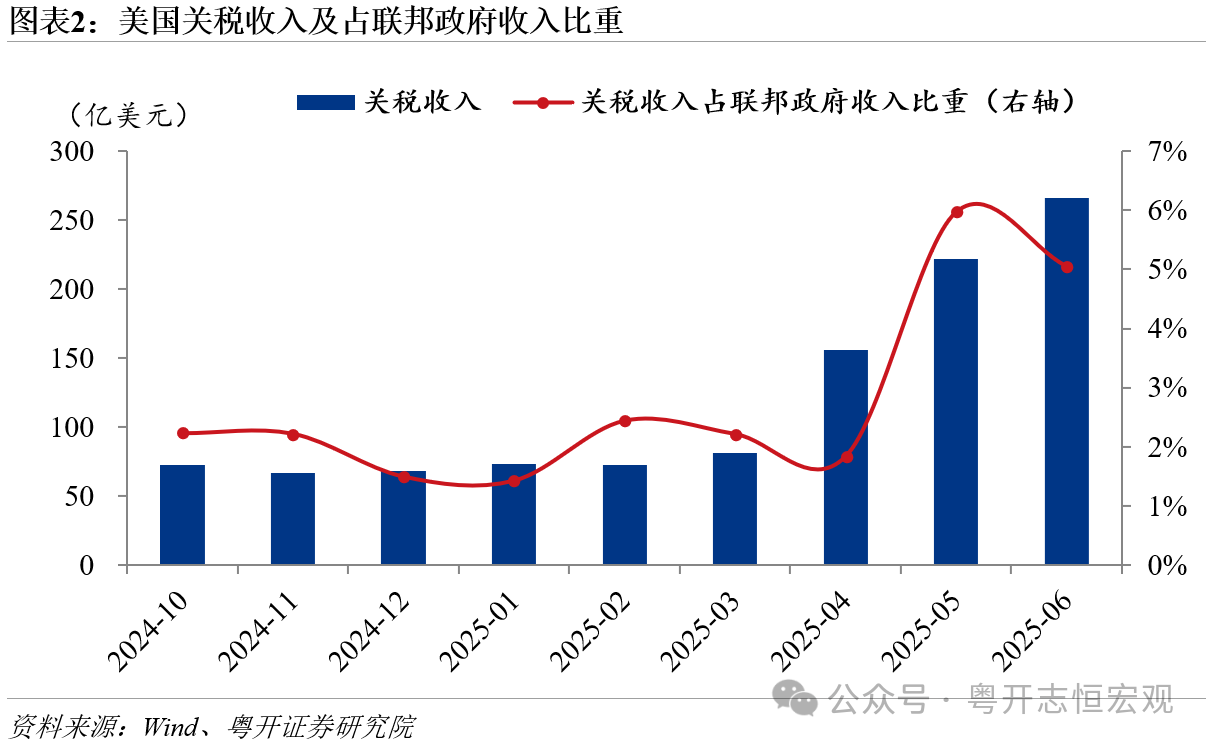
Core Viewpoint - The new tariff policy "Reciprocal Tariff 2.0" is more systematic and operational compared to its predecessor, and it warrants significant attention and caution [1] Summary by Sections Changes in Tariff Structure - "Reciprocal Tariff 2.0" introduces a systematic restructuring of tariff rates, lowering rates for most economies to a range of 10% to 40%, depending on trade relations with the U.S. [2][3] - The previous version's arbitrary high tariffs, such as the 50% on Lesotho, have been adjusted, with Lesotho's rate now reduced to 15% [2][3] Specific Tariff Rates - The new tariff structure includes eight brackets, with the lowest being 10% for economies with a trade surplus with the U.S., such as the UK and Australia [3][4] - The 15% bracket targets U.S. allies and small economies with trade deficits, while a special 19% rate applies to certain Southeast Asian and South Asian countries [4][5] Impact on Trade and Inflation - The new tariffs are expected to increase the average tariff rate in the U.S., raising tariff revenue and contributing to inflation [1][10] - The comprehensive tightening of tariff policies, including the elimination of the $800 exemption for small packages, is projected to further impact exports from China [1][18] Enforcement Measures - The cancellation of the small package exemption and the introduction of a 40% punitive tariff on transshipment goods are aimed at closing loopholes in tariff evasion [6][8] - The U.S. has established a comprehensive system to combat transshipment, including the use of the Customs and Border Protection (CBP) for enforcement [8] Financial Implications - U.S. tariff revenue has significantly increased, with a cumulative revenue of $87.2 billion in the first half of 2025, a 2.4-fold increase year-on-year [10][15] - The cancellation of the small package exemption is expected to generate over $10 billion in additional tariff revenue annually [17][18] Global Trade Dynamics - The tightening of tariffs is likely to disrupt global supply chains and increase production costs, particularly affecting countries like Vietnam that have been used for transshipment [18] - The actual tariff rate on Chinese exports is around 45%, significantly higher than that of other economies, which may lead to further adverse effects on Chinese exports [18]

全球关税战!如何面对8月7日之后的世界
Jing Ji Guan Cha Bao· 2025-08-06 22:58
替美国人民担忧的"忧美论",行之有年。特朗普2.0之后,这个论调的强度达到一个新高峰。"忧美论"无可厚非,但是面对8月7日尘埃落定之后的国际贸 易新格局,顺应变化、积极探索破解之道、自立自强才是一个企业、一个政府正确的打开方式。 不出意外的话,8月7日之后,由美国总统特朗普发起的针对全球贸易伙伴的关税战,将尘埃落定。 从4月2日到8月7日,这场关税战持续了4个月零5天。 总体而言,特朗普为输往美国的商品设立了4套税单,分别为:友好国家税率10%起步;正常国家税率20%起步;不友好国家税率30%起步;通过第三地转 运方式输往美国的商品将被征收40%的转运税。 已经和美国达成关税协议的国家,要向美国缴纳3种费用:一是输美商品被征收关税,二是承诺向美国投资,三是承诺购买数额巨大的美国商品。 4个月的关税战中出现了一些匪夷所思的现象,尤其是特朗普的率性而为、朝令夕改给人印象深刻,但总体而言,美国政府的逻辑是清晰的、步骤是正常 的,也基本取得了他们希望取得的结果。 至于这个结果对美国及全世界而言利弊如何,众声喧哗、莫衷一是。 笔者试分析如下: 第一,美国的关税围墙既然立起来了,就不大可能降低或撤销。接下来,如何进入、经 ...
粤开宏观:特朗普“对等关税2.0”有哪些变化?为什么?影响几何?
Yuekai Securities· 2025-08-05 10:34
证券研究报告 | 宏观深度 2025 年 08 月 05 日 投资要点 分析师:罗志恒 执业编号:S0300520110001 电话:010-83755580 邮箱:luozhiheng@ykzq.com 分析师:马家进 执业编号:S0300522110002 电话:13645711472 邮箱:majiajin@ykzq.com 研究助理:孙文婷 邮箱:sunwenting1@ykzq.com 近期报告 《【粤开宏观】对当前及下阶段房地产形势 的研判及建议》2025-08-03 《【粤开宏观】育儿补贴规模每年或可达千 亿"投资于人"信号意义明显》2025-08-01 《【粤开宏观】政治局会议释放的九大信 号》2025-07-30 《【粤开宏观】房地产调整到了什么阶段? 对经济的影响有多大?》2025-07-28 《【粤开宏观】关税战如何影响中国物价: 表现、展望及应对》2025-07-20 宏观研究 【粤开宏观】特朗普"对等关税 2.0" 有哪些变化?为什么?影响几何? 当地时间 7 月 31 日,特朗普签署行政令,公布了"对等关税 2.0"方案,以 替代 4 月 2 日公布的"1.0 版本",并于 8 月 ...