载人登月工程

Search documents
载人登月刷新“进度条” 本次试验有何不同?
Ren Min Ri Bao· 2026-02-12 02:13
Core Insights - The successful launch of the Long March 10 series rocket marks multiple firsts in China's space history, including the first ignition flight test in initial sample state and the first maximum dynamic pressure escape test for a crewed spacecraft [1][2] Group 1: Long March 10 Series Rocket - The Long March 10 series rocket is China's next-generation crewed launch vehicle, capable of sending astronauts to lunar orbit and delivering cargo to the Chinese space station [1] - The rocket's first flight test involved a 66-second flight, during which the crewed spacecraft successfully escaped, and the rocket continued to fly for approximately 470 seconds before soft landing in the sea [1][3] - This test signifies a transition from "static ignition" to "dynamic flight," establishing a solid foundation for reusable launch vehicle technology [1][3] Group 2: Dream Boat Spacecraft - The Dream Boat spacecraft completed its first maximum dynamic pressure escape flight test, demonstrating the reliability of its escape system, which is crucial for astronaut safety [2][3] - The escape system successfully executed critical maneuvers, including separation of the service module and return capsule, engine ignition, and parachute deployment, leading to a safe landing in the designated sea area [2][3] - This test is a significant advancement in ensuring astronaut safety during extreme conditions, filling a technological gap in high dynamic pressure escape verification [5] Group 3: Technical Challenges and Innovations - The test faced several technical challenges, including safe separation of spacecraft modules and control during high dynamic pressure conditions, marking a significant step in China's space capabilities [4][5] - The successful execution of the maximum dynamic pressure escape test complements previous zero-height escape tests, enhancing the overall safety framework for crewed missions [4][5] - The test's achievements highlight China's advancements in complex space scenarios and lay a critical technological foundation for future lunar exploration missions [5]
载人登月刷新“进度条”(科技自立自强)
Ren Min Wang· 2026-02-11 22:48
Core Viewpoint - The successful launch of the Long March 10 series rocket and the Dream Boat manned spacecraft marks several significant milestones in China's space exploration, including the first dynamic flight test and the first maximum dynamic pressure escape test for a manned spacecraft [1][2][3]. Group 1: Long March 10 Series Rocket - The Long March 10 series rocket is China's new generation manned launch vehicle, capable of sending astronauts to lunar orbits and delivering cargo to the Chinese space station [1]. - This test was the first flight of the Long March 10 series rocket in its initial sample state, demonstrating its capability to transition from static ignition to dynamic flight [1][3]. - The rocket successfully flew for approximately 470 seconds, with the first stage landing softly in the sea about 360 kilometers from the launch site, indicating a solid foundation for reusable rocket technology [1][3]. Group 2: Dream Boat Spacecraft - The Dream Boat spacecraft completed its first maximum dynamic pressure escape flight test, which is crucial for ensuring astronaut safety during emergencies [2][3]. - The escape system of the Dream Boat spacecraft successfully executed critical maneuvers, including the separation of the service module and return capsule, engine ignition, and parachute deployment, leading to a safe landing in the designated sea area [2][3]. - This test represents a significant advancement in the safety protocols for manned space missions, filling a technological gap in high dynamic pressure escape verification [5]. Group 3: Technical Challenges and Innovations - The test faced several technical challenges, including the safe separation of the spacecraft modules and maintaining stable flight under high dynamic pressure conditions [4][5]. - The successful integration of maximum dynamic pressure escape with reusable flight profiles is a first in global space history, showcasing China's advancements in space technology [3][4]. - The test results provide a solid foundation for future missions, including the goal of landing Chinese astronauts on the moon by 2030 [5].
长征十号低空演示验证与梦舟飞船最大动压逃逸飞行试验成功实施 载人登月刷新“进度条”(科技自立自强)
Ren Min Ri Bao· 2026-02-11 22:39
Core Viewpoint - The successful launch of the Long March 10 series rocket and the Dream Boat manned spacecraft marks several significant milestones in China's space exploration history, including the first dynamic flight test and the first maximum dynamic pressure escape test for a manned spacecraft [1][2][3]. Group 1: Launch and Flight Test Details - The Long March 10 series rocket successfully ignited and launched the Dream Boat spacecraft, achieving multiple firsts in China's space history, including the first dynamic flight test and the first sea splashdown of a manned spacecraft [1]. - The rocket's flight lasted 66 seconds, reaching a maximum dynamic pressure at an altitude of 11 kilometers, after which the spacecraft successfully executed its escape sequence [2]. - The rocket continued to fly for approximately 470 seconds before the first stage successfully soft-landed in the sea, about 360 kilometers from the launch site, demonstrating the rocket's capability for reuse [1][3]. Group 2: Technical Achievements and Challenges - The Dream Boat spacecraft's escape system was tested under maximum dynamic pressure conditions, which is considered one of the most challenging scenarios for spacecraft escape [2][4]. - The flight test validated key technologies such as the reliability of the rocket's return stage engine and high-precision navigation control, laying a solid foundation for future missions and the development of reusable rocket technology [3][5]. - This test represents a significant advancement in China's ability to conduct escape tests under extreme conditions, filling a technological gap in the field of manned spaceflight [5]. Group 3: Future Implications - The successful completion of this test is crucial for China's goal of landing astronauts on the Moon by 2030, reinforcing the country's commitment to advancing its space exploration capabilities [5]. - The integration of the Dream Boat spacecraft with the Long March 10 rocket in this test signifies a step forward in ensuring astronaut safety during launch and ascent phases [4][5].
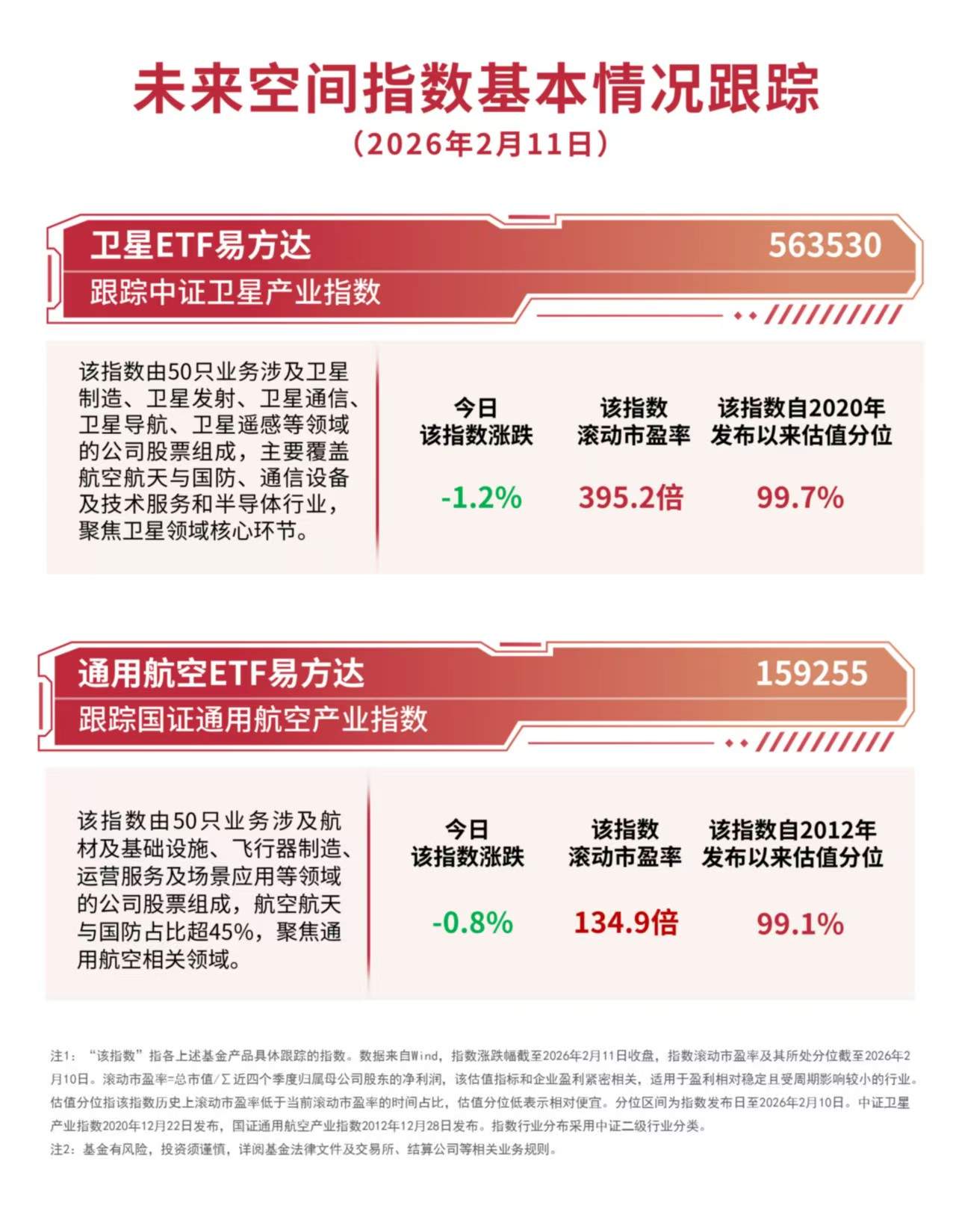
载人登月工程获重要进展,卫星ETF易方达(563530)助力把握“未来空间”发展机遇
Mei Ri Jing Ji Xin Wen· 2026-02-11 13:28
Core Viewpoint - The successful test of the "Dream Boat" manned spacecraft's maximum dynamic pressure escape flight marks a significant breakthrough in China's manned lunar exploration program, providing technical support for the next phase of space station applications and future manned lunar missions [1]. Group 1 - The "Dream Boat" manned spacecraft successfully implemented maximum dynamic pressure escape and safely splashed down at sea [1]. - This test is part of the Long March 10 rocket system's low-altitude demonstration verification [1]. - The achievement indicates important progress in the development of China's manned lunar exploration project [1].

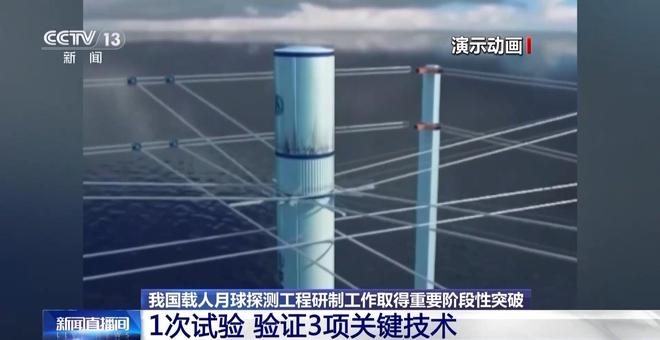
我国载人月球探测工程研制工作取得阶段性突破 创下多个国内、国际“首次”
Huan Qiu Wang Zi Xun· 2026-02-11 07:08
Core Viewpoint - The successful test of the Long March 10 rocket system and the Dream Boat manned spacecraft marks a significant milestone for China's manned lunar program, achieving multiple key technology validations and setting several domestic and international "firsts" [1][4][5]. Group 1: Key Technology Validation - The test successfully validated three core technologies: emergency escape under maximum dynamic pressure, networked collaborative assessment, and the real profile return flight of the rocket's first stage [4][5]. - This flight test is described as a crucial safety verification for the manned lunar mission, demonstrating real flight conditions [4][5]. Group 2: Challenges and Innovations - The complexity of the flight profile and high precision control requirements posed unprecedented challenges, leading to the achievement of three "firsts" in both domestic and international contexts [5][7]. - The test included the first-ever maximum dynamic pressure escape test in China's manned rocket development, validating the world's first networked recovery method [7]. Group 3: Flight Profile and Dynamics - The test flight reached a maximum altitude of approximately 105 kilometers, which is consistent with future actual flight heights, although termed "low-altitude" [9]. - The maximum dynamic pressure, a critical test point during the rocket's ascent, was reached at around 11 kilometers, allowing for the escape of the spacecraft under conditions that are still manageable for future missions [10][12]. Group 4: Detailed Flight Process - The entire test process lasted approximately 470 seconds, starting with the ignition of five engines and culminating in the successful separation of the spacecraft from the rocket [13]. - The rocket ascended to about 105 kilometers, followed by a series of maneuvers including a glide phase and a powered descent to prepare for re-entry [15][17]. Group 5: Recovery and Safety Measures - In future missions, the first stage of the rocket will be recovered on a sea-based platform, with safety measures ensuring a 200-meter distance from the recovery ship during the test [19]. - This approach aims to prevent any potential mishaps during the return phase, ensuring the safety of both the rocket and the recovery vessel [21].