边疆治理

Search documents
边疆治理的考古见证(考古中国)
Ren Min Ri Bao· 2026-02-07 00:42
Core Insights - The archaeological discoveries at the Badamu East Cemetery in Turpan provide significant evidence of the governance of the frontier regions by the central government during the Han and Tang dynasties, showcasing the evolution of administrative practices over time [2] - The findings also illustrate the process of the formation of the Chinese nation, highlighting the interactions and cultural exchanges among diverse groups under the unified rule of the Tang dynasty [3] Group 1: Historical Significance - The Badamu East Cemetery serves as a testament to the governance strategies employed by the Han and Tang dynasties in the western regions, reflecting the transition from military to civil administration [2] - The graves of officials who were naturalized into the Tang dynasty indicate the integration of local populations into the imperial system, contributing to the stability and prosperity of the region [2] Group 2: Cultural Exchange - Artifacts from the cemetery demonstrate the multicultural interactions along the Silk Road, with evidence of influences from various regions, including the presence of foreign coins and artifacts [3] - The discovery of unique burial practices and items, such as the彩棺 (colorful coffin) and high-value political gifts, underscores the rich cultural tapestry and the continuity of Chinese civilization [3]
跟着纪录片游吐鲁番,《吐鲁番往事》开播
Zhong Guo Qing Nian Bao· 2025-11-17 08:14
Core Viewpoint - The documentary "Tuyugou Stories" showcases the unique cultural and historical significance of Turpan, emphasizing its role as a hub of the Silk Road and a melting pot of civilizations [1][10]. Group 1: Documentary Overview - The four-part documentary aired from November 17 to 20, integrating the regional characteristics and cultural essence of Turpan, creating an aesthetic system that harmonizes humanity and nature [1]. - It employs cinematic techniques to authentically depict the colors and atmosphere of Turpan's streets across different historical periods, presenting a stunning visual experience [3]. Group 2: Historical Context - The documentary outlines significant historical phases from the Han Dynasty to the present, illustrating Turpan's unique position and cultural achievements as a crossroads of Eastern and Western civilizations [3][10]. - It highlights key historical figures, such as Ban Yong, who played a crucial role in establishing Han authority in the Western Regions, and Xuanzang, who symbolized the cultural exchange along the Silk Road [5][8]. Group 3: Cultural Significance - The stories of historical figures in the documentary add emotional depth to history, emphasizing Turpan's role as a "crossroad of diverse civilizations" [10]. - The documentary connects the historical governance of border regions with the enduring strength of cultural integration, showcasing the deep ties between Hunan and Turpan [10].


河泊所遗址:解密中华文明“多元一体”历史叙事
Huan Qiu Wang· 2025-07-19 06:48
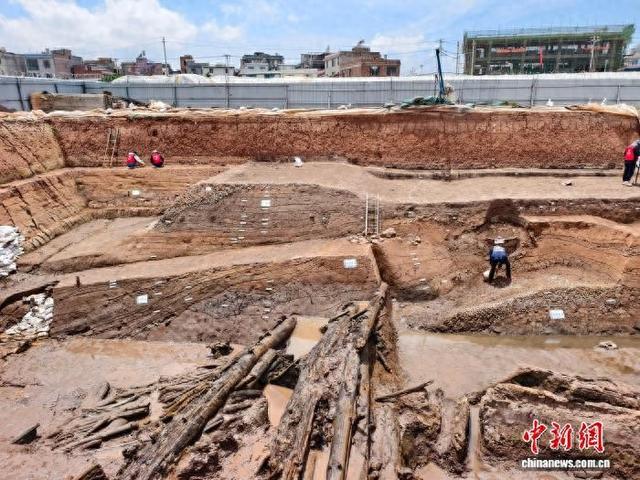
Core Viewpoint - The excavation of the Heiposuo site reveals significant historical evidence of the ancient city, contributing to the understanding of the multi-faceted history of Chinese civilization and the integration of diverse cultures in the southwestern frontier [1][3][5]. Group 1: Archaeological Findings - The Heiposuo site, located in Kunming, Yunnan Province, is the largest and most culturally rich center settlement site from the Shang to Han-Jin periods in Yunnan [3]. - Archaeological discoveries include a T-shaped road, city walls from the Wei-Jin period, and over 70 tons of construction materials such as tiles and bricks, with inscriptions confirming the site as the location of the Yizhou commandery [5][6]. - The site has yielded over 50,000 bamboo slips, including more than 14,000 with written content, providing crucial insights into governance, administrative systems, and ethnic relations during the Han dynasty [6][8]. Group 2: Historical Significance - The findings at Heiposuo fill a historical gap regarding the ancient Dian Kingdom and its integration into the Han dynasty's administrative framework, confirming the existence of the Dian Kingdom and the Yizhou commandery [3][5]. - The discovery of official seals, including those from the Dian Kingdom and Yizhou, indicates a dual administrative system where local governance retained elements of the former Dian rule under the Han central authority [5][6]. - The site exemplifies the historical narrative of China's southwestern frontier, showcasing the region's long-standing national identity and its role in the broader context of Chinese civilization's development [6][8].
我国唯一一座什么都免费城市,人口2300设8座机场,外国人不能进
Sou Hu Cai Jing· 2025-05-06 09:46
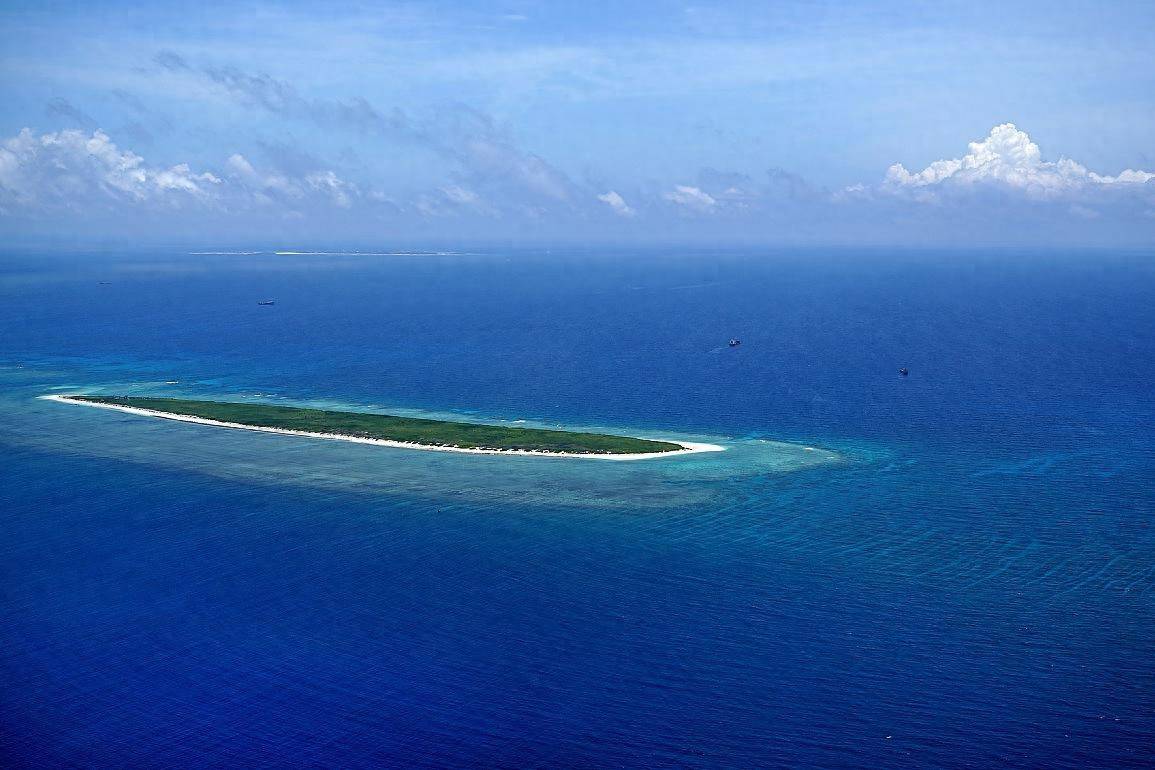
Core Viewpoint - Sansha City, a unique Chinese city with a permanent population of less than 2,500, boasts eight airports and offers free healthcare, education, and housing, while prohibiting foreign access, highlighting its strategic importance in the South China Sea [1][3][4]. Group 1: Strategic Importance - Sansha governs over 2 million square kilometers of maritime territory, equivalent to one-fourth of China's land area, emphasizing its significant strategic value [3]. - The South China Sea is rich in resources, with 70% of China's proven oil reserves and 30% of natural gas reserves located here, alongside an annual fishery output value exceeding 1 billion [4]. - Control over this maritime area is crucial for international shipping routes, with tens of thousands of vessels passing through annually, making it vital for the Asia-Pacific economy [4][5]. Group 2: Infrastructure and Living Conditions - Sansha has constructed eight airports on small islands, with Yongxing Island capable of accommodating large transport aircraft, serving both civilian and military purposes [5]. - Residents enjoy a range of benefits, including free medical care, education, and government-supplied groceries, reflecting the government's commitment to ensuring their well-being [3][4]. Group 3: Environmental and Operational Challenges - The city faces challenges such as reliance on seawater desalination for freshwater and vulnerability to typhoons, which can disrupt water supply [9]. - The harsh environment leads to rapid corrosion of materials, necessitating innovative solutions like solar power and waste management systems to maintain sustainability [9]. Group 4: Governance and National Sovereignty - Sansha represents a modern model of border governance, maintaining territorial integrity and national interests despite external pressures [10]. - The integration of military and civilian efforts, such as fishermen collecting hydrological data, underscores the importance of security and sovereignty in the region [7][10].