过敏性肺炎

Search documents
每天用2次,22岁女主播肺里布满阴影!很多人不注意
Huan Qiu Wang· 2026-02-14 15:33
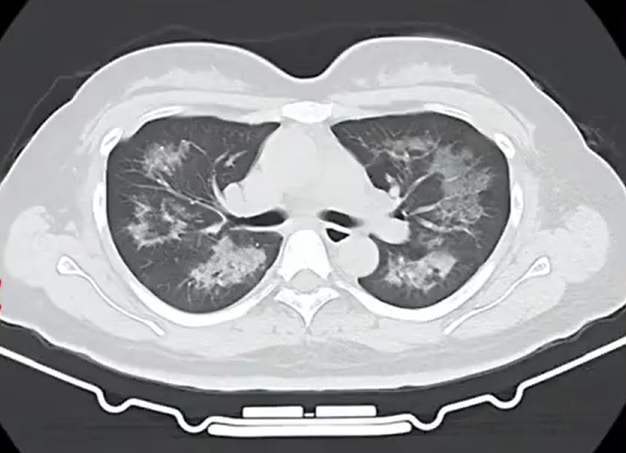
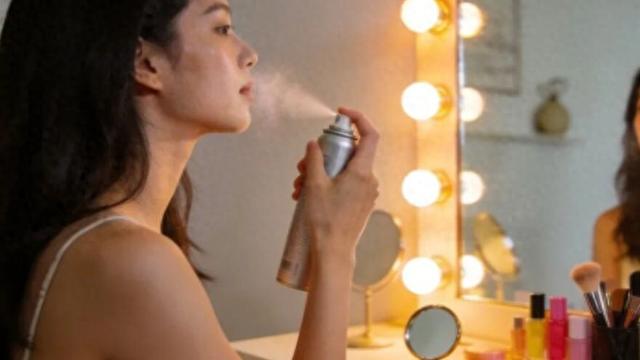
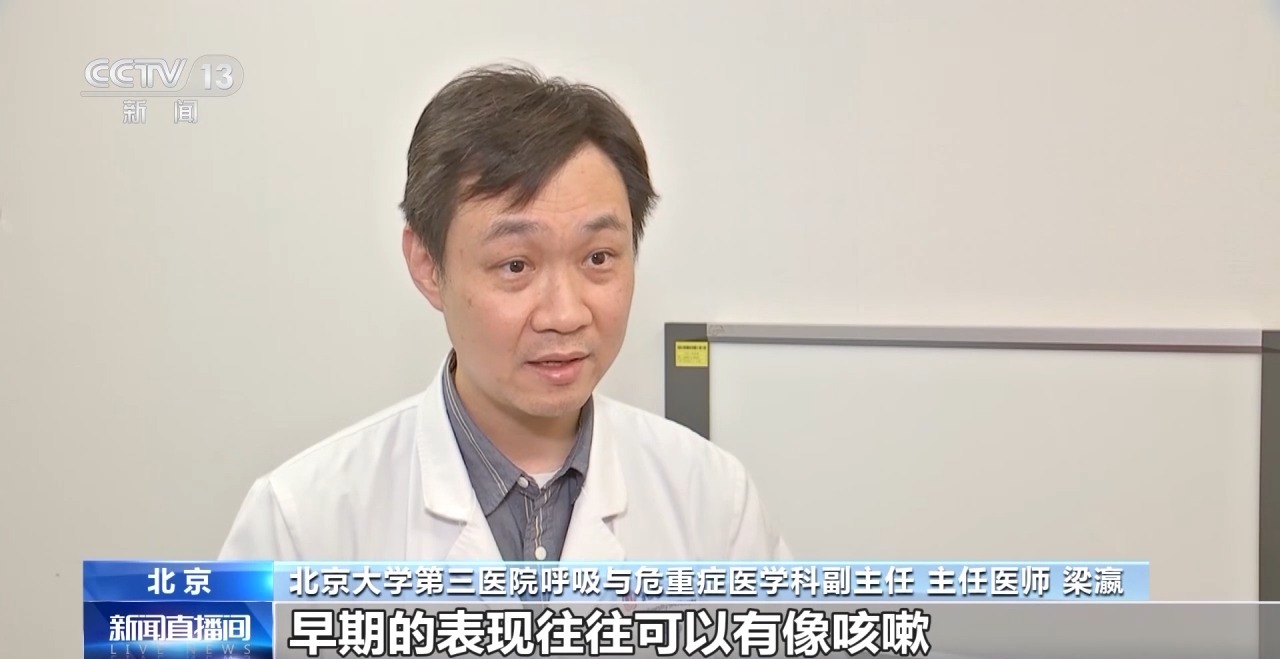
Core Viewpoint - A 22-year-old live-streaming host in Hangzhou, Zhejiang, was hospitalized due to pneumonia likely caused by the frequent use of setting spray, highlighting potential health risks associated with cosmetic products containing volatile chemicals [1][4]. Group 1: Health Impact - The host exhibited severe symptoms, including a high fever exceeding 40°C and elevated white blood cell counts, leading to a diagnosis of interstitial pneumonia [1]. - After three days of targeted treatment, the host's blood indicators returned to normal, and lung inflammation was rapidly absorbed [3]. Group 2: Chemical Risks - Setting sprays and similar products contain a significant amount of volatile chemical components that can be inhaled, potentially damaging lung cells [4]. - Symptoms of mild cases may include coughing, phlegm production, and wheezing, while sensitive individuals may develop allergic pneumonia, which can escalate to respiratory failure [4]. Group 3: Recommendations for Use - Individuals with pre-existing allergic conditions, such as chronic urticaria or allergic rhinitis, should avoid chemical spray products to prevent severe allergic reactions and respiratory difficulties [5]. - It is advised to avoid using spray products in small, enclosed spaces with poor ventilation to minimize inhalation risks [5].

每天喷两次,22岁主播双肺出现感染!网友:我还特别喜欢!医生紧急提醒
Xin Lang Cai Jing· 2026-02-13 03:52
Core Viewpoint - The excessive use of setting sprays, particularly in enclosed spaces, can lead to serious health issues such as allergic pneumonia due to inhalation of volatile chemical components [5][8][17]. Group 1: Health Risks - A 22-year-old influencer developed pneumonia after using setting spray twice daily, highlighting the potential health risks associated with frequent use of such products [5]. - The diagnosis of interstitial pneumonia was linked to the inhalation of aerosolized chemicals from the setting spray, which can trigger an overreaction of the immune system [8]. - Symptoms of allergic pneumonia can be mistaken for common illnesses, but repeated exposure may lead to more severe conditions like pulmonary fibrosis [8]. Group 2: Expert Insights - Medical professionals warn that similar products, including sunscreen sprays and air fresheners, contain volatile organic compounds that can pose health risks when used in confined spaces [17]. - Smaller aerosol particles are more likely to bypass respiratory defenses and reach the alveoli, increasing health risks [17]. - Specific populations, such as those with pre-existing allergies or respiratory conditions, children, and professionals who frequently apply makeup, are particularly at risk [17]. Group 3: Public Reaction - The incident has sparked widespread concern on social media, with many users expressing fear over their own use of setting sprays [10][12]. - Some individuals reported experiencing lung issues attributed to the use of similar aerosol products [14].
穿破损羽绒服竟致肺炎?
Xin Lang Cai Jing· 2026-01-20 16:47
Core Viewpoint - The recent news about a man developing allergic pneumonia from wearing a damaged down jacket highlights the hidden allergens in everyday life and emphasizes the importance of understanding these risks and protective measures [1]. Group 1: Allergens and Health Risks - Allergens in daily life can vary significantly, with some causing mild symptoms like sneezing and others leading to severe conditions like allergic pneumonia [2]. - Protein-based particles, which can trigger allergic rhinitis and asthma, typically range from 5-40 micrometers in diameter and are found in pet dander, pollen, and household items [2]. - Microbial particles, which can lead to allergic pneumonia, are often invisible and include mold and bacteria, with sizes of 1-5 micrometers, capable of penetrating the respiratory barrier [2]. Group 2: Sources of Allergens - Damaged down products can harbor mold, releasing both protein and microbial allergens [2]. - Unclean humidifiers can breed mold and bacteria, contributing to allergic reactions [3]. - Damp air conditioning filters and unwashed household textiles can continuously release harmful microbial particles [4]. Group 3: Differentiating Allergic Reactions - Allergic rhinitis/asthma caused by protein particles results in immediate reactions, while allergic pneumonia from microbial spores leads to chronic inflammation and potential lung damage [5]. - Symptoms of allergic rhinitis include sneezing and runny nose, whereas allergic pneumonia may present with fever, shortness of breath, and dry cough [5]. Group 4: Protective Measures - For protection against protein-based allergens, it is recommended to replace damaged down products, regularly clean clothing, and maintain a clean home environment [7]. - For microbial allergens, proper maintenance of humidifiers and air conditioning systems is crucial, including regular cleaning and using purified water [8]. - Vulnerable populations, such as the elderly and those with pre-existing lung conditions, should avoid damp environments and seek immediate medical attention if symptoms persist [8].
长期穿羽绒服盖羽绒被会诱发“羽绒肺”?专家提醒
Chang Sha Wan Bao· 2026-01-10 02:14
Core Viewpoint - The rising concern over "down lung," a form of allergic pneumonia caused by inhaling down feathers and their associated proteins, has gained attention following a recent case of a man diagnosed after wearing a damaged down jacket for over 12 hours daily [2][3]. Group 1: Definition and Symptoms - "Down lung" is essentially allergic pneumonia, resulting from the inhalation of feather fibers or proteins, leading to an immune response that damages lung tissue [2][3]. - Symptoms can manifest within hours to days after exposure, including dry cough, chest tightness, and shortness of breath, which may worsen with activity [8][9]. Group 2: Risk Factors - Wearing damaged down products, particularly those with broken linings or seams, increases the risk of exposure to feather fibers [5]. - Prolonged use of down products, especially in enclosed spaces, significantly raises the cumulative exposure to feather particles [6]. - Low-quality down products, which may contain uncleaned and untreated allergens, pose a higher health risk [7]. Group 3: Prevention Strategies - Selecting high-quality down products with good anti-leak technology and dense fabric can reduce the risk of "down lung" [10]. - Proper usage includes airing and cleaning down products before use, ensuring good ventilation in living spaces, and addressing any damage promptly [10]. - Individuals with allergies or asthma should consider non-down alternatives for warmth, such as cotton or silk [10].
男子穿破损羽绒服引发过敏性肺炎 医生提醒这样预防是关键
Xin Lang Cai Jing· 2026-01-04 13:52
Group 1 - A man in Fujian developed allergic pneumonia after wearing a damaged down jacket for over 12 hours daily, with a blood oxygen saturation level dropping to 85% [1][4] - Allergic pneumonia is an immune or inflammatory response in the airways and lung tissue, triggered by inhaling organic substances or antigens from damaged down products [1][2][4] - The condition can lead to symptoms such as cough, shortness of breath, and in severe cases, progressive respiratory distress [4][5] Group 2 - Microprotein particles in down can provoke immune responses even in non-allergic individuals, potentially leading to allergic pneumonia [2][4] - The primary cause of allergic pneumonia is often overlooked allergens, such as damaged down jackets and bedding [4][9] - To prevent allergic pneumonia, it is crucial to avoid exposure to allergens, particularly ensuring that down products are intact and not significantly damaged [9][10] Group 3 - The national standards for down jackets in China cover three main aspects: down quality, safety performance, and sewing and appearance quality [10][11] - Quality indicators include down content and fluffiness, which directly affect the thermal insulation properties of the jackets [11][13] - Standards also specify detailed requirements for preventing down leakage, which are related to the materials used and the production process [14][16]
每天穿这种羽绒服超12小时,男子呼吸衰竭!医生提醒
Xin Lang Cai Jing· 2025-12-28 16:22
Core Insights - A man in Fujian was diagnosed with allergic pneumonia after wearing a low-cost down jacket for over 12 hours daily for four weeks, leading to severe respiratory issues and a blood oxygen saturation level dropping to 85% [2][4] Group 1: Health Risks - Prolonged exposure to down feathers can lead to "down lung," a condition where inhalation of small protein particles from down can trigger immune responses, even in non-allergic individuals [4][7] - Symptoms of "down lung" include persistent dry cough, shortness of breath after activity, and chest tightness, which can be mistaken for common colds or bronchitis [8] Group 2: Prevention Measures - Experts recommend checking if down jackets use anti-feather leakage technology, regularly airing them out, and ensuring good air circulation while wearing [6][8] - Regular cleaning and gentle handling of down jackets are advised to minimize fiber breakage and accumulation of down particles in the air [8]

男子确诊“羽绒肺”,致呼吸衰竭,医生提醒:冬季穿羽绒要注意
Xin Lang Cai Jing· 2025-12-27 03:17
Core Viewpoint - A man in Fujian developed allergic pneumonia after wearing a damaged down jacket for over 12 hours daily for four weeks, highlighting the health risks associated with low-quality clothing and the inhalation of micro-proteins from down feathers [1][3]. Group 1: Health Risks - The man was diagnosed with allergic pneumonia after his blood oxygen saturation dropped to 85% and he experienced respiratory failure [3]. - The condition was caused by inhaling micro-proteins from the down feathers, which can trigger immune responses even in non-allergic individuals [3][4]. - Allergic pneumonia is linked to repeated inhalation of organic dust or chemical substances, influenced by genetic susceptibility and exposure levels [4]. Group 2: Common Triggers - Common triggers for allergic pneumonia include microbial factors, such as exposure to fungi in specific occupations, and environmental conditions like air conditioning and humidifiers [4]. - Other triggers include inhalation of fine particles from animal proteins, bird droppings, and certain chemicals found in paints and plastics [4]. - Specific occupational exposures, such as coffee dust or soy shell dust, are also noted as potential causes [4]. Group 3: Prevention and Recommendations - The primary preventive measure for diagnosed patients is to avoid allergens and repeated exposure [4]. - It is advised to choose high-quality down jackets that do not shed feathers and to maintain cleanliness in living environments [5]. - Individuals with known airway sensitivities should avoid known allergens and maintain clean air conditioning systems and humidifiers [5].

男子确诊“羽绒肺”致呼吸衰竭 专家:过敏性肺炎不少见,还有人因辣椒粉中招
Xin Lang Cai Jing· 2025-12-27 01:16
Core Viewpoint - A man in Fujian developed allergic pneumonia after wearing a low-cost down jacket for over 12 hours daily for four weeks, leading to the inhalation of tiny protein particles from the damaged lining of the jacket [1][3]. Group 1: Health Implications - The man's blood oxygen saturation dropped to 85%, resulting in respiratory failure due to inhaling micro-particles from the down jacket [3]. - Allergic pneumonia is caused by repeated inhalation of organic dust or chemically active substances, influenced by genetic susceptibility, antigen type, exposure level, and interaction with other damaging factors [3][4]. Group 2: Common Triggers - Common triggers for allergic pneumonia include microbial factors, such as exposure to fungi in specific occupations, and environmental factors like bacteria from air conditioning systems [4]. - Animal and plant proteins, as well as fine particles from bird droppings and feathers, can also induce allergies, with certain occupations like coffee and soybean processing being at higher risk [4]. Group 3: Prevention and Recommendations - Experts recommend selecting high-quality down jackets that do not shed feathers and maintaining cleanliness to prevent allergic reactions [5]. - Individuals with known airway sensitivities should avoid known allergens, such as pet dander and mold, and ensure cleanliness in air conditioning systems [5].