定妆喷雾

Search documents
国际美妆巨头的潮水方向变了:LVMH被传“瘦身”二线品牌,韩妆借功效卷土重来,丝芙兰押注国潮抖音爆款
Yang Zi Wan Bao Wang· 2026-02-27 12:14
Core Insights - The Chinese beauty market is shifting from "incremental dividends" to "stock game," leading international giants to rethink their strategies as traditional high-entry tactics fail [1] - LVMH is reportedly planning to divest several brands, including Make Up For Ever, while Amorepacific is focusing on repeat purchases with its efficacy-driven brand Aestura [1][9] - Sephora is now featuring popular domestic brands that emerged from Douyin, indicating a significant shift in its product selection strategy [2][4] Group 1: Sephora's Strategy Shift - Sephora has introduced a "next hot product" section in stores, showcasing brands like Sanzi Tang and BABI, which previously gained popularity through Douyin [2] - The introduction of these brands is a response to declining sales, with Sephora China reporting a 12.3% revenue drop and a cumulative loss exceeding 1 billion yuan since 2022 [3] - The company is expanding its product range to include more affordable and effective brands, moving away from solely high-end offerings [4] Group 2: LVMH's Brand Management - LVMH is evaluating the sale of brands like Fresh and Make Up For Ever, which have been underperforming, with the latter experiencing eight consecutive years of losses [7][8] - The company aims to focus on core brands that can drive revenue, such as Dior and Guerlain, while divesting from those that do not meet performance expectations [8] - The shift reflects a broader industry trend where luxury brands are reassessing their portfolios and focusing on profitability rather than brand quantity [8] Group 3: Amorepacific's Market Entry - Amorepacific has introduced its efficacy-focused brand Aestura to the Chinese market, targeting the growing demand for post-medical skincare solutions [9][10] - The brand's strategy involves building trust through clinical data and leveraging its reputation in Korean hospitals, although it faces challenges in establishing credibility in China [9][10] - Aestura's success could signify a turning point for Korean beauty brands in China, emphasizing the need for efficacy and repeat purchases over mere brand recognition [10]
每天用2次,22岁女主播肺里布满阴影!很多人不注意
Huan Qiu Wang· 2026-02-14 15:33
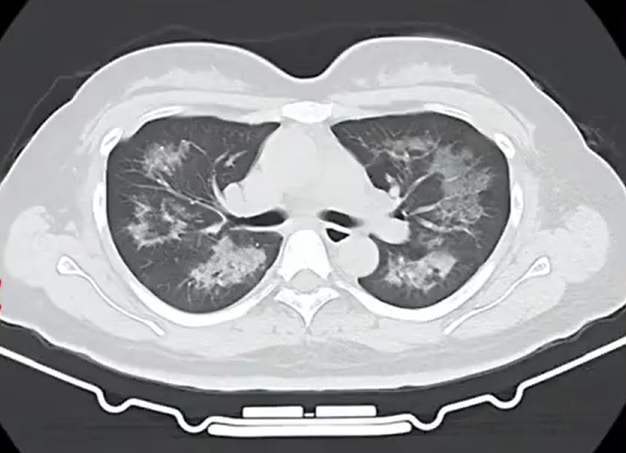
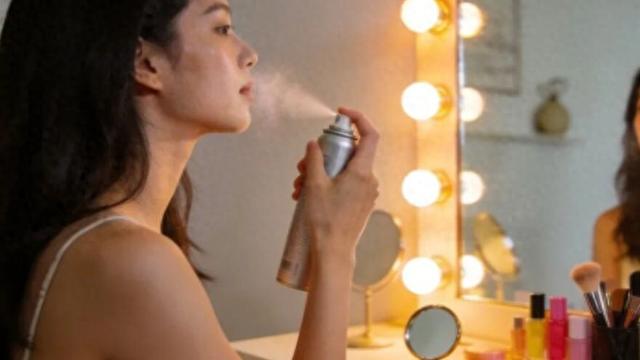
Core Viewpoint - A 22-year-old live-streaming host in Hangzhou, Zhejiang, was hospitalized due to pneumonia likely caused by the frequent use of setting spray, highlighting potential health risks associated with cosmetic products containing volatile chemicals [1][4]. Group 1: Health Impact - The host exhibited severe symptoms, including a high fever exceeding 40°C and elevated white blood cell counts, leading to a diagnosis of interstitial pneumonia [1]. - After three days of targeted treatment, the host's blood indicators returned to normal, and lung inflammation was rapidly absorbed [3]. Group 2: Chemical Risks - Setting sprays and similar products contain a significant amount of volatile chemical components that can be inhaled, potentially damaging lung cells [4]. - Symptoms of mild cases may include coughing, phlegm production, and wheezing, while sensitive individuals may develop allergic pneumonia, which can escalate to respiratory failure [4]. Group 3: Recommendations for Use - Individuals with pre-existing allergic conditions, such as chronic urticaria or allergic rhinitis, should avoid chemical spray products to prevent severe allergic reactions and respiratory difficulties [5]. - It is advised to avoid using spray products in small, enclosed spaces with poor ventilation to minimize inhalation risks [5].

每天喷两次,22岁主播双肺出现感染!网友:我还特别喜欢!医生紧急提醒
Xin Lang Cai Jing· 2026-02-13 03:52
Core Viewpoint - The excessive use of setting sprays, particularly in enclosed spaces, can lead to serious health issues such as allergic pneumonia due to inhalation of volatile chemical components [5][8][17]. Group 1: Health Risks - A 22-year-old influencer developed pneumonia after using setting spray twice daily, highlighting the potential health risks associated with frequent use of such products [5]. - The diagnosis of interstitial pneumonia was linked to the inhalation of aerosolized chemicals from the setting spray, which can trigger an overreaction of the immune system [8]. - Symptoms of allergic pneumonia can be mistaken for common illnesses, but repeated exposure may lead to more severe conditions like pulmonary fibrosis [8]. Group 2: Expert Insights - Medical professionals warn that similar products, including sunscreen sprays and air fresheners, contain volatile organic compounds that can pose health risks when used in confined spaces [17]. - Smaller aerosol particles are more likely to bypass respiratory defenses and reach the alveoli, increasing health risks [17]. - Specific populations, such as those with pre-existing allergies or respiratory conditions, children, and professionals who frequently apply makeup, are particularly at risk [17]. Group 3: Public Reaction - The incident has sparked widespread concern on social media, with many users expressing fear over their own use of setting sprays [10][12]. - Some individuals reported experiencing lung issues attributed to the use of similar aerosol products [14].
“蚂蚁雄兵”,50元彩妆抖音爆卖的真相
3 6 Ke· 2025-12-01 08:08
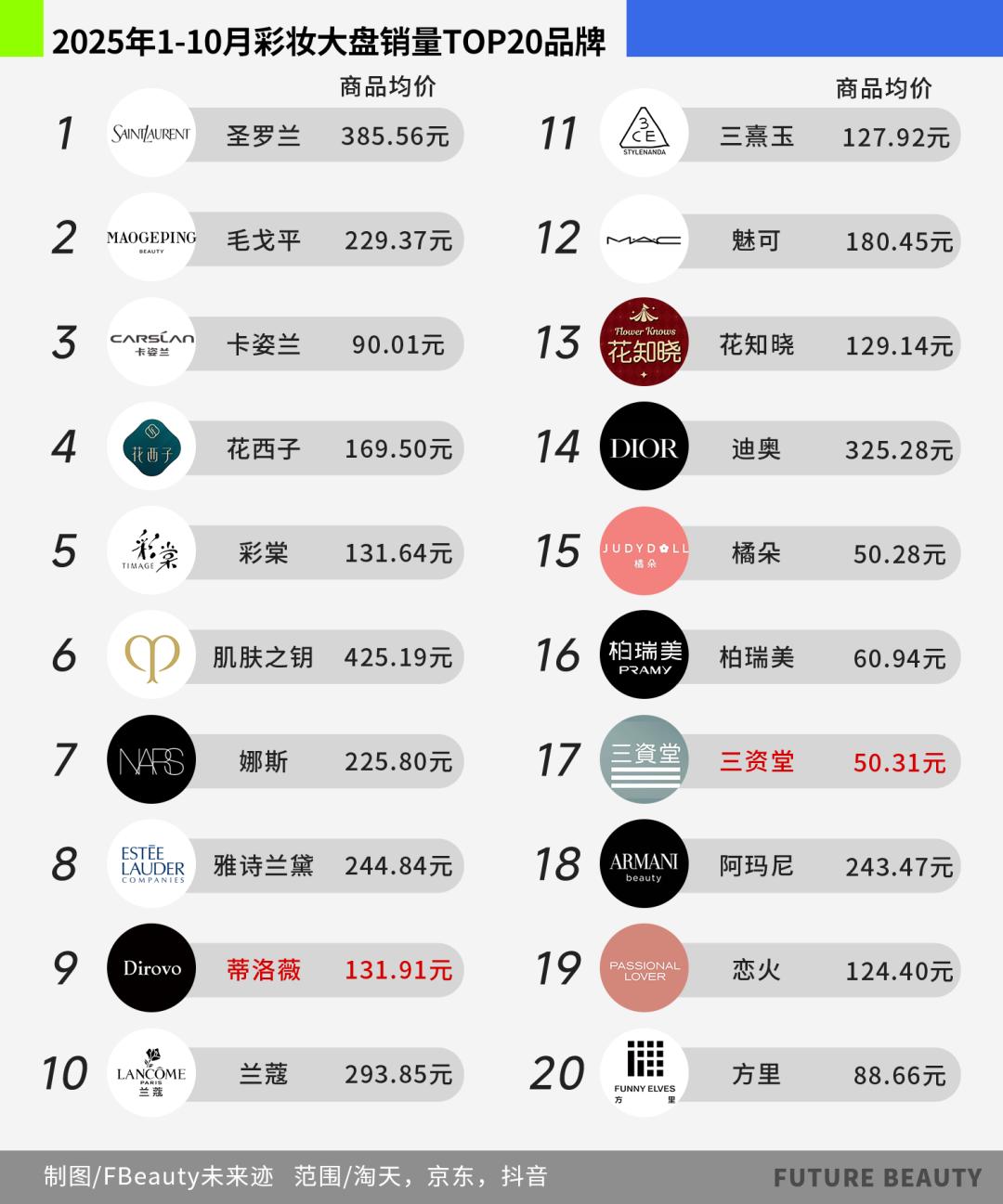
Core Insights - The Chinese makeup market is witnessing a significant shift with the rise of domestic brands priced around 50 yuan, which are dominating various categories on platforms like Douyin [1][2][5] - This shift indicates a change in competitive dynamics, where product innovation focused on "extreme cost-performance" and addressing consumer pain points is becoming crucial [1][2] Market Dynamics - The makeup market is divided into three main forces: international luxury brands (e.g., YSL, Nars) that dominate the high-end segment, established domestic brands (e.g., Mao Geping, Huaxizi) that are upgrading their offerings, and the emerging "new makeup" brands priced around 50 yuan [2][5] - The 0-50 yuan price segment accounts for one-fifth of the overall market, with over 50% market share in eye makeup categories [5][12] Sales Performance - Brands like Sanzi Tang, eLL, and BABI have consistently ranked in the top 20 on Douyin, showcasing their ability to maintain sales momentum over several months [9][12] - During the 2025 Douyin Double 11 event, several domestic brands achieved over a million units in sales, indicating strong consumer demand and market penetration [12][14] Product Innovation - The "50 yuan makeup" brands have captured at least 21 category tops on Douyin, demonstrating their dominance in specific segments such as foundation, eye makeup, and lip products [17][29] - These brands focus on specific consumer needs with high cost-performance products, leading to their success in the market [17][23] Consumer Behavior - A fundamental shift in consumer logic is observed, where younger consumers prioritize practical solutions over brand prestige, favoring products that address their daily makeup challenges [23][30] - The emergence of three distinct brand types—established brands adapting to new channels, new brands thriving in content-driven e-commerce, and native brands leveraging efficiency—illustrates the diverse paths to success in this market [25][27][29] Brand Strategy - Brands are increasingly focusing on multi-channel strategies, transitioning from reliance on traffic to building brand equity through offline and online presence [31] - The appointment of celebrity endorsements is becoming a key strategy for these brands to enhance emotional connections and brand identity among consumers [32][34]
深度|“蚂蚁雄兵”,50元彩妆抖音爆卖的真相
FBeauty未来迹· 2025-11-28 12:13
Core Viewpoint - The Chinese makeup market is undergoing a significant transformation, with a new force of domestic brands priced around 50 yuan emerging to redefine market dynamics and competition [3][5][12]. Market Dynamics - The makeup market is divided into three main forces: international luxury brands (e.g., YSL, Estée Lauder) dominating the high-end segment, local leading brands (e.g., Mao Geping, Huaxizi) focusing on brand upgrades, and the emerging "new makeup" brands priced around 50 yuan [5][7]. - The 0-50 yuan price segment accounts for one-fifth of the overall market, with over 50% market share in eye makeup, indicating its dominance in this category [7][11]. Sales Performance - Brands priced around 50 yuan have shown strong sales performance on platforms like Douyin, with several brands achieving over a million units sold during events like Double 11 [11][12]. - The brands in this price range have demonstrated consistent ranking in sales, with some brands maintaining top positions for several months, showcasing their operational stability [10][12]. Consumer Behavior - The rise of 50 yuan makeup brands reflects a fundamental shift in consumer logic, where younger consumers prioritize practical solutions over luxury branding [15][22]. - The success of these brands is attributed to their ability to address specific consumer pain points with high cost-performance ratios [15][22]. Brand Evolution - The emerging brands can be categorized into three types based on their establishment years: 1. Established brands (before 2017) that adapted to new channels [16]. 2. New brands (2018-2021) that grew alongside content e-commerce [18]. 3. Native Douyin brands (after 2022) that focus on efficiency and niche markets [20][22]. Strategic Development - These brands are transitioning from a focus on traffic to building brand assets through multi-channel strategies, including entering physical retail spaces [24][25]. - Brand image is being enhanced through celebrity endorsements, aiming to create deeper emotional connections with consumers [26][28]. Conclusion - The 50 yuan makeup brands are reshaping the market landscape, proving the power of niche segments and high cost-performance ratios, while emphasizing the importance of product barriers and brand value for long-term success [28].
从爆款到品牌,国货美妆的升维之战 | 出海参考
Tai Mei Ti A P P· 2025-11-27 14:39
Core Insights - The current period is identified as the "best window" for Chinese beauty brands to expand overseas, supported by a growing global beauty market projected to reach $446.43 billion by 2025 and $1.2 trillion by 2030 [1][23] - Southeast Asia, particularly Vietnam, is highlighted as a key growth market for Chinese beauty brands due to its large population and high acceptance of Chinese products [1][2] Market Dynamics - Southeast Asia has a population of 670 million, with 65% aged between 18-35, and 78% acceptance of high-quality domestic products [1] - Brands like Colorkey, Han Shu, and Judy Doll have successfully penetrated the Vietnamese market, achieving significant sales milestones on platforms like TikTok [1][2][3] Competitive Landscape - The initial market entry strategy for many Chinese beauty brands relied on single product "hit" strategies, but the focus is shifting towards brand building and comprehensive market strategies [4][9] - There is a notable challenge in brand recognition, with Chinese brands still categorized as "others" in consumer perception compared to established Western and Korean brands [4][5] Brand Strategy - Successful brands are now prioritizing product quality and brand identity over low-cost strategies, with a focus on R&D and efficient operations [5][10] - Localized teams and tailored marketing strategies are essential for effective brand positioning in overseas markets [10][12] Content and E-commerce Integration - The rise of content-driven e-commerce platforms like TikTok is reshaping how beauty brands engage with consumers, allowing for lower-cost market entry and effective brand building [17][19] - Brands are leveraging TikTok for both product promotion and brand identity establishment, utilizing influencer marketing and user-generated content [11][21] Future Outlook - As competition intensifies in high-end markets like Japan and the U.S., collaboration among Chinese beauty brands is encouraged to enhance market presence and consumer trust [22][23] - The current global landscape presents a unique opportunity for Chinese beauty brands to capitalize on their supply chain strengths and adapt content for global markets [23]
东南亚淘金路:美妆出海如何与不确定性共存
2 1 Shi Ji Jing Ji Bao Dao· 2025-11-24 10:20
Core Insights - The "lipstick effect" is still prevalent in Southeast Asia, with a projected growth rate of 4% to 5% for the cosmetics market by 2025 despite economic slowdowns in the region [1] - Chinese beauty brands are leveraging their cost-performance advantage to penetrate the Southeast Asian market, adapting their strategies to local consumer preferences [1][2] Group 1: Market Dynamics - Southeast Asian countries like Malaysia, Singapore, Thailand, Indonesia, and Vietnam are experiencing economic slowdowns, yet consumer spending remains robust [1] - E-commerce platforms such as Lazada, TikTok, and Shopee are highly competitive, with consumers becoming savvy in price comparison and timing their purchases around sales events [1] - The beauty market in Southeast Asia is still dominated by international brands, but there are gaps that Chinese brands can exploit by tailoring products to local tastes [2][3] Group 2: Local Adaptation - Local climate influences consumer preferences, with a focus on oil control, long-lasting wear, and sun protection in makeup products [3] - Cultural factors, such as religious requirements in countries like Indonesia and Malaysia, necessitate careful consideration of product ingredients and certifications [3] - The preferences of Southeast Asian consumers are similar to those of Chinese consumers, allowing for the replication of successful strategies from China [3] Group 3: Operational Challenges - Establishing a local presence is crucial for success, as relying solely on cross-border e-commerce limits growth potential [2][4] - Supply chain management poses challenges, with longer lead times required for inventory replenishment in Southeast Asia compared to domestic operations [5] - Building brand recognition and consumer loyalty in a new market is essential for long-term success, requiring effective marketing strategies [5] Group 4: Financial and Strategic Considerations - Currency fluctuations and geopolitical uncertainties present risks for companies operating in Southeast Asia, impacting profitability [6][7] - Companies are advised to diversify their market presence to mitigate risks associated with reliance on a single country [7] - Selecting reliable financial partners is critical for managing cross-border transactions and currency risks [10] Group 5: Future Outlook - The cosmetics export market from China is expected to grow, with a projected total export value of 36.905 billion yuan in 2024, reflecting a year-on-year increase of 14.11% [9] - The competitive landscape in the beauty industry is likely to consolidate, with only a few leading brands surviving in the long term [9] - Companies must develop strong international management capabilities to navigate the complexities of global markets [9]
从百雀羚到可复美:这份榜单体现品牌“真实存在感”
FBeauty未来迹· 2025-09-06 06:03
Core Insights - The Chinese beauty market is experiencing a significant transformation, with beauty products becoming an integral part of daily life for consumers, as evidenced by 88% of urban residents purchasing beauty products in the past year, averaging 13.6 purchases each [3][7][10] - The Worldpanel Consumer Index's 2025 Beauty Brand Footprint Report highlights the brands most chosen by consumers and those with substantial growth potential, using the Consumer Reach Point (CRP) metric to gauge brand popularity [5][11] Market Overview - The beauty market recorded a consumer reach of 5.47 billion instances in the past year, reflecting a robust growth of 7.6% compared to the previous year [7] - The shift from a "traffic era" to a "retention era" indicates that consumers are now more focused on making the right choices rather than just making purchases [10] Brand Rankings Skincare Segment - The top skincare brands in 2025 include JALA, L'Oréal Paris, and Han Shu, with local brands like Natural Hall and Pechoin showing strong performance [12] - Local brands are breaking free from the "cost-performance" label, leveraging precise market positioning and expertise to compete with international brands [11] Professional Skincare Segment - The professional skincare market is dominated by local brands like Winona and Yilian, which focus on sensitive skin care, while international brands like La Roche-Posay and Avene maintain a presence [14] - Local brands are innovating by addressing specific medical and skincare needs, leading to significant growth [15] Makeup Segment - The makeup category is seeing increased purchase frequency, with local brands like Carlan and Poryme leading the consumer preference rankings [16] - Emerging local brands are finding success by focusing on specialized products, such as waterproof eyeliners and long-lasting setting sprays [17] Hair Care Segment - The hair care market remains stable, with traditional brands like Head & Shoulders and Clear leading the consumer choice rankings [18] - Growth in this segment is driven by innovations focusing on scalp health, targeted repair, and enhanced sensory experiences [19] Future Trends - The 2025 rankings indicate a clear direction for future growth, emphasizing the importance of targeting niche markets, integrating technology with product offerings, and enhancing consumer experiences [20][21] - The potential for growth in the "mother and baby skincare" segment is highlighted, with brands like Kangaroo Mom successfully addressing specific consumer needs [20] - Innovations in product technology, such as AI customization and biotechnological advancements, are expected to reshape the competitive landscape [21] - The dual upgrade of functionality and experience in hair care products is evident, with trends moving towards creating a spa-like experience at home [22]

2025美妆品牌足迹排行榜重磅发布:这些品牌正在被疯狂加购
凯度消费者指数· 2025-09-05 02:03
Core Insights - The article highlights the dynamic nature of the Chinese beauty market, emphasizing the rapid evolution of consumer preferences and the importance of understanding these trends for brand success [1][3]. Market Overview - The consumer reach in the beauty market reached 5.47 billion times in the past year, showing a robust growth of 7.6% compared to the previous year [3]. - Among the 457 million urban population covered, 88% (approximately 400 million people) purchased beauty products in the past year, with an average purchase frequency of 13.6 times, indicating deepening consumer habits in beauty usage [3]. Skincare Category - **Top 10 Consumer Preferred Brands**: The leading brands include Pechoin, L'Oréal Paris, and Han Shu, with Pechoin and L'Oréal Paris holding the top two positions [6]. - **Top 10 Growth Brands**: Brands like Xuan Dong and An Cai Ya are noted for their significant growth, alongside established brands like Natural Hall and Pechoin [6][7]. - The growth of brands can be attributed to their strong foundations or explosive growth in specific categories or star products [7][8]. Professional Skincare Category - **Top 10 Consumer Preferred Brands**: Leading brands include Weixin Lang and MARE, with a stable growth trajectory [9][10]. - **Growth Drivers**: The category is driven by star products from both international and domestic brands, focusing on specific consumer needs such as post-surgery recovery and scientific advantages [10]. Makeup Category - The growth in the makeup category is driven by increased purchase frequency, stemming from consumers' exploration of refined subcategories [11]. - **Top 10 Consumer Preferred Brands**: International brands like YSL, L'Oréal Paris, and Lancôme dominate the preferred list [12]. - **Single Product Success**: Many brands achieve market recognition through standout products, such as eyebrow pencils and setting sprays [13]. Hair Care Category - **Top 10 Consumer Preferred Brands**: Leading brands include Head & Shoulders and Clear, with a stable competitive landscape [14][15]. - The category shows strong growth, focusing on scalp health, targeted repair, and enhanced sensory experiences through fragrance [15]. Conclusion - The 2025 Chinese beauty market is characterized by a competition focused on penetration rates, repurchase rates, and brand loyalty [15]. - Brands that effectively understand consumer pain points and continuously deliver high-value products will succeed in this competitive landscape [15].
底妆市场与消费者洞察报告-青眼情报
Sou Hu Cai Jing· 2025-07-25 14:23
Market Overview - The Chinese foundation makeup market is expected to grow steadily, with the market size increasing from 73.19 billion yuan in 2022 to 93.70 billion yuan in 2024, and is projected to exceed 100 billion yuan in 2025, indicating a healthy and active industry phase [1][9][10] - Online sales are dominated by Douyin, which holds a 51.23% share of the online GMV, followed by Taobao with 29.02%, while Pinduoduo has surpassed JD, highlighting the potential of lower-tier markets [1][12][15] Consumer Insights - The core consumer group is aged 31-35, with 37.54% residing in third-tier cities or below; nearly 90% of consumers have skin blemishes, emphasizing the demand for coverage and long-lasting makeup [2][5] - Daily commuting (64.36%) and social gatherings (85.64%) are the primary usage scenarios, with consumers preferring natural makeup (70.24%) and valuing lightweight, breathable, and long-lasting products [2][5] Product Trends - The market is witnessing continuous upgrades in long-lasting makeup technology, with brands like Caitang and Laose achieving 24-hour wear through patented technologies; the trend of combining makeup with skincare is becoming mainstream [2][7] - Scene-specific innovations, such as mini portable products and exclusive solutions for different occasions, are gaining popularity, along with cultural empowerment and IP collaborations enhancing product appeal [2][7] Competitive Landscape - The foundation makeup category is primarily dominated by basic foundation products, with Douyin users showing a strong preference for three-dimensional makeup effects [1][16] - Estee Lauder leads the foundation liquid market on Taobao, while Douyin is dominated by brands like Passional Lover; in the cushion category, YSL has a significant advantage on Taobao, while Douyin is a stronghold for domestic brands like Ruikefu and Laose [1][25][29] Category Performance - The foundation makeup products can be categorized into four main types: base makeup, makeup primer, local touch-up products, and setting products [7] - The basic foundation category holds a dominant position across platforms, with Douyin's local touch-up category accounting for 8.7%, reflecting users' pursuit of a three-dimensional makeup look [1][16]