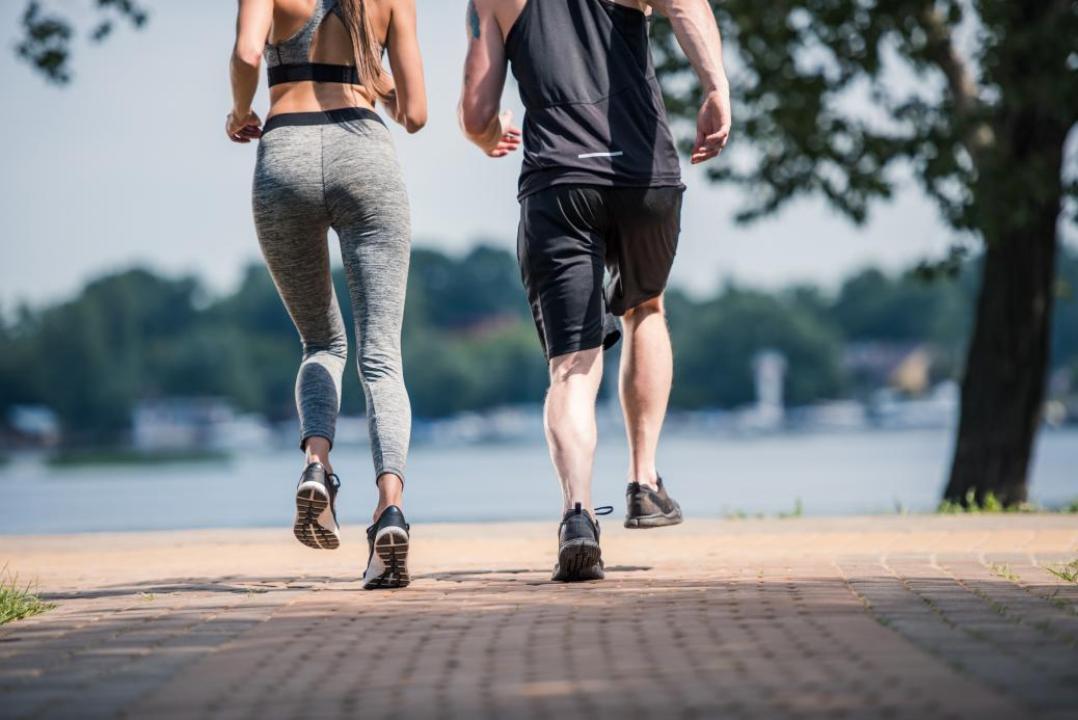
运动休闲风(Athleisure)

Search documents
商场一层,被运动风攻占
虎嗅APP· 2026-01-06 09:13
Core Viewpoint - A significant shift in retail branding is occurring, with sportswear brands increasingly occupying prime locations in shopping malls, replacing fast fashion brands that once dominated the space [4][11][12]. Group 1: Brand Transition in Malls - The rise of the "athleisure" trend has led to a transformation in shopping centers, where sports brands like Nike, Adidas, and emerging brands such as Lululemon are now prevalent in prime retail spaces [4][8]. - Traditional fast fashion brands, which once held significant market power, are now facing challenges due to declining sales and consumer preferences shifting towards quality and comfort [11][12]. - Shopping mall operators have noted a decline in the sales per square meter for fast fashion brands, while sports brands have shown steady growth, prompting a reallocation of retail space towards sports and outdoor brands [13][14]. Group 2: Consumer Behavior Changes - Consumers are increasingly prioritizing comfort and quality over fast fashion trends, leading to a demand for sportswear that integrates into daily life rather than being limited to athletic activities [5][9]. - The growing health consciousness and the normalization of fitness culture have made sportswear a lifestyle choice, influencing purchasing decisions across demographics [9][17]. - The shift from fast fashion to sportswear reflects a broader societal change, where consumers are more focused on health and quality of life rather than just fashion trends [18][19]. Group 3: Market Dynamics and Future Trends - The market for outdoor and sports brands is expected to continue growing, with projections indicating significant retail revenue increases for brands like Descente and KAILAS [16]. - The integration of technology in sportswear, such as breathable fabrics and smart wearables, is enhancing product appeal and driving innovation in the sector [14][16]. - The ongoing evolution in consumer preferences suggests that the retail landscape will continue to adapt, with brands needing to balance functionality and style to remain competitive [19].

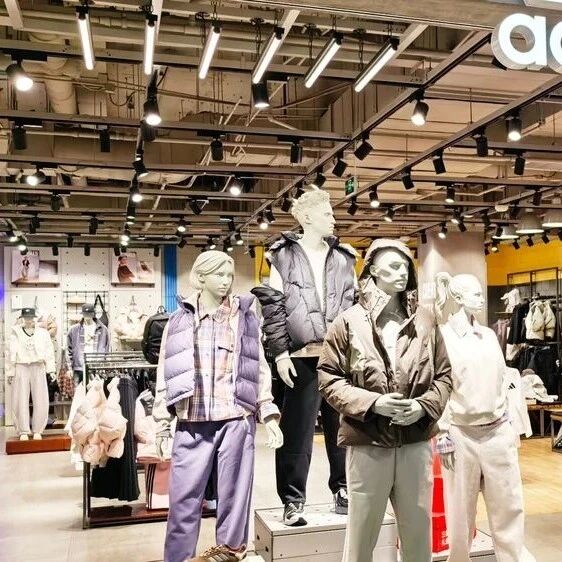
为什么运动女性的衣柜里,瑜伽裤越买越多?
3 6 Ke· 2025-05-19 01:07
Core Insights - The trend of women increasingly purchasing yoga pants over traditional skirts indicates a shift in consumer behavior towards more comfortable and versatile athletic wear [1][13][30] - The rise of the athleisure trend is not just a replacement trend but is becoming more frequent, segmented, and specialized, leading to a larger market opportunity [1][24] Group 1: Consumer Behavior - Women are buying more athletic wear, with some individuals purchasing up to 30 new pairs of pants annually, reflecting a growing consumption pattern [2][23] - The frequency of purchasing athletic wear is increasing as the boundaries between work and life blur, making comfortable sportswear a part of daily outfits [13][30] - The need for multiple outfits for different workouts leads to a higher turnover rate for athletic clothing, resulting in more frequent purchases [23][30] Group 2: Product Features and Trends - Athletic pants are evolving in terms of functionality and design, with considerations for length, thickness, and material becoming more critical [2][5] - Different types of workouts require specific features in athletic pants, such as moisture-wicking for running and flexibility for yoga [9][20] - The material composition of yoga pants is diverse, with blends of various fabrics like spandex, cotton, and polyester, each serving different functional needs [5][7] Group 3: Market Dynamics - High-end brands like Lululemon are creating specialized product lines with proprietary materials, indicating a trend towards more refined and functional athletic wear [25][29] - Emerging brands are focusing on design and color innovation while leveraging established manufacturing capabilities to compete in the market [27][29] - The demand for athletic wear is not merely a trend but reflects a deeper consumer desire for comfort and performance, leading to a more rational purchasing approach as consumers become more experienced [30][29]