运动员代言

Search documents
年入78亿“小厂”,抢走了今年的NBA状元
3 6 Ke· 2025-06-27 01:02
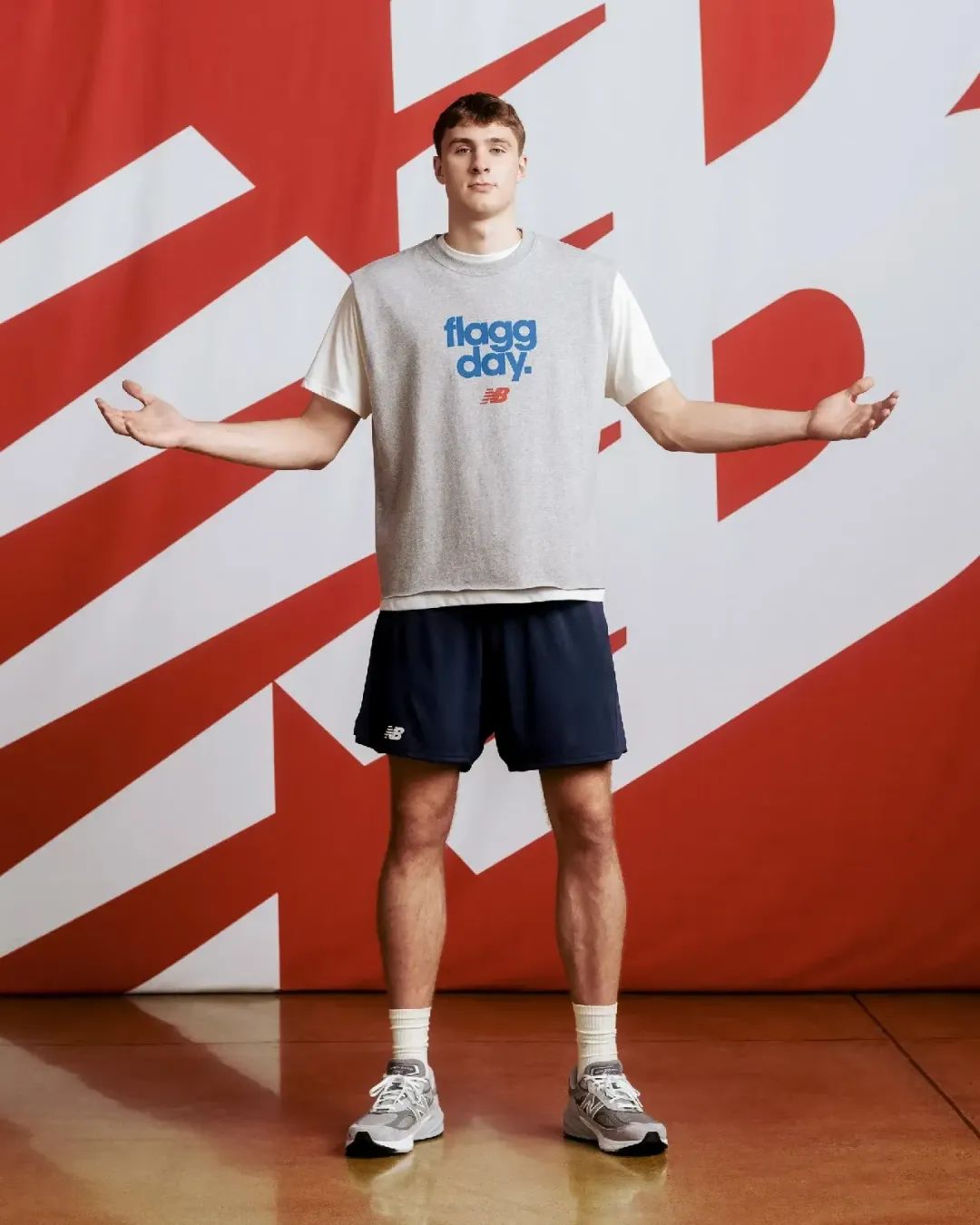
Core Insights - New Balance is shifting its brand image from a "dad shoe" to a more dynamic sports brand by signing high-profile athletes like NBA prospect Cooper Flagg, Shohei Ohtani, and Coco Gauff [2][4][5] - The company aims to redefine its position in the sports industry and reach a younger consumer base through athlete endorsements, which have become a central part of its marketing strategy [5][7] Group 1: Brand Transformation - New Balance's historical marketing strategy emphasized product quality over endorsements, famously promoting the slogan "Endorsed By No One" in the 1990s [4][11] - The brand has successfully rebranded itself, shedding the "dad shoe" label and appealing to a younger demographic, as evidenced by its diverse roster of athlete endorsers [5][7] - The company's revenue has significantly increased, with last year's earnings reaching $7.8 billion, up from $1.8 billion in 2010, indicating a successful brand transformation [5][7] Group 2: Athlete Endorsements - New Balance's current roster includes prominent athletes such as Coco Gauff, Shohei Ohtani, Kawhi Leonard, and Jamal Murray, which has enhanced its market presence [5][7][12] - The brand's strategy focuses on signing young, promising athletes, as seen with Cooper Flagg, who is viewed as one of the most talented prospects in recent years [3][11] - The endorsement deals are not just about immediate sales but also about building emotional connections with consumers across various product lines [12][13] Group 3: Market Position and Growth - Despite being a smaller player in the industry, New Balance is targeting a revenue goal of over $10 billion in the coming years, leveraging its athlete partnerships to drive growth [11][13] - The global revenue for New Balance in key sports categories like baseball, basketball, football, and tennis has grown by 27% from 2022 to 2024, coinciding with significant athletic achievements by its endorsers [7][12] - The company's market share in the U.S. sports shoe market is currently at 5.6%, compared to Nike's nearly one-third share, highlighting the competitive landscape [11]