连接组学

Search documents
《科学》同期三篇论文揭秘:情绪,并不只由神经元调控
3 6 Ke· 2026-02-02 13:08
Core Insights - Recent studies indicate that focusing solely on neurons is insufficient to understand brain function, highlighting the significant role of astrocytes in modulating brain activity and emotional states [1][3][22] Group 1: Role of Astrocytes - Astrocytes, a type of glial cell, outnumber neurons in many brain regions and have complex structures that allow them to influence synaptic communication [2][4] - These cells are now recognized as active participants in neural modulation, capable of adjusting overall brain states such as alertness and anxiety [2][3] - Research shows that astrocytes can assess the futility of actions and influence decision-making processes, such as when to give up on a task [3][15] Group 2: Mechanisms of Action - Astrocytes do not participate in the rapid signaling at synapses but instead regulate higher-level network activity, maintaining or switching the brain's overall state [2][3] - The modulation by astrocytes is crucial for preventing extreme brain states, such as seizures, and is mediated by specific molecules that fine-tune neural circuits [3][10] - Studies reveal that astrocytes can release ATP, which is converted to adenosine, affecting neuronal activity and contributing to behavioral changes [18][22] Group 3: Implications for Mental Health - The involvement of astrocytes in brain state transitions suggests they may play a significant role in sleep disorders and mental health conditions, as these diseases disrupt overall brain function [3][28] - Research indicates that astrocytes may accumulate information over time, influencing sleep-wake cycles and potentially reflecting mental health status [28][30] - The recognition of astrocytes as critical components in neural circuits could lead to new therapeutic targets for treating brain disorders [30]


中国科学技术大学最新Cell论文,登上Nature头条,首次实现小鼠全身神经系统微米级高清成像
生物世界· 2025-07-11 03:41
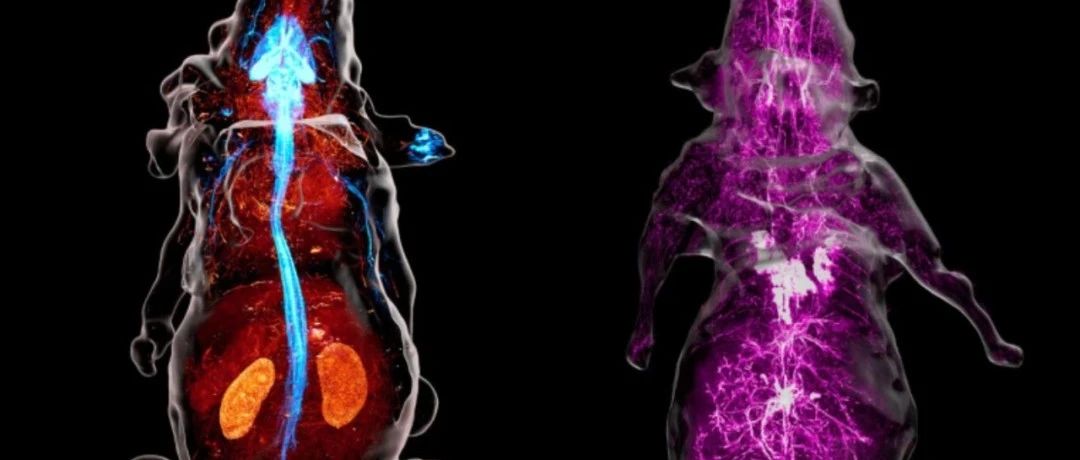
Core Viewpoint - The article discusses a groundbreaking study that developed a high-speed 3D imaging technology for mapping the peripheral nervous system (PNS) in mice, significantly enhancing the understanding of its complex structure and functions [4][10]. Group 1: Technological Advancements - The research team from the University of Science and Technology of China introduced a novel imaging technique called blockface-VISoR, achieving subcellular resolution in whole-mouse imaging within 40 hours, which is several times faster than existing methods [4][10]. - This technology allows for the visualization of nerve pathways and connections in the PNS, which has been challenging due to the complexity and size of the mammalian body [3][10]. Group 2: Research Findings - The study successfully created a detailed peripheral nerve map, revealing intricate structures such as spinal motor and sensory nerves, visceral sympathetic nerves, and their interactions with various non-neural tissues and organs [13][21]. - The research utilized multiple labeling techniques, including fluorescent, immuno, and viral markers, to visualize different types of nerves, providing unprecedented insights into the PNS [12][19]. Group 3: Implications and Future Directions - The findings from this research are expected to facilitate a better understanding of the regulatory networks of the peripheral nervous system and the mechanisms of related diseases [4][10]. - The research team plans to share the image datasets online and is working on a platform for researchers to explore these data, which may offer new insights even to professional anatomists [22].