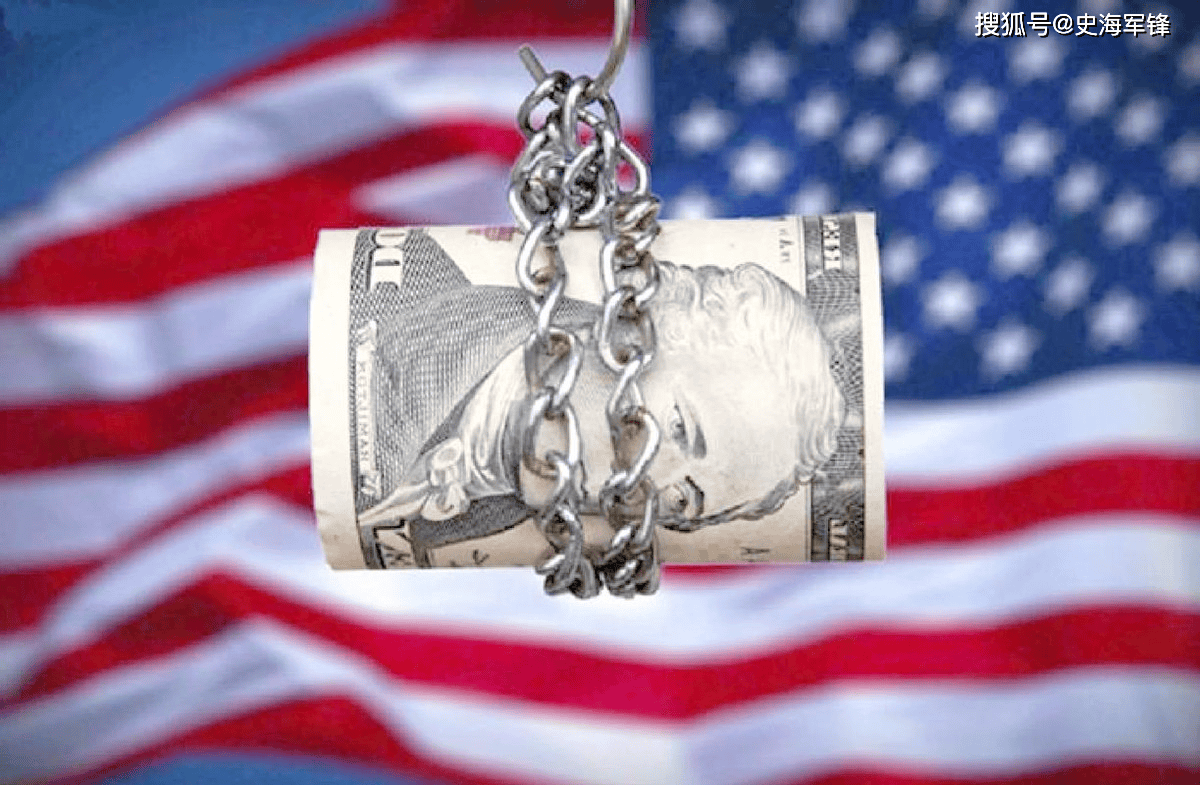
透支消费

Search documents
美国只有3亿人,为何消费力能远超中国14亿人?现在全“露馅”了!
Sou Hu Cai Jing· 2026-02-08 14:56
Group 1 - The core point is that American consumer power is fundamentally based on "spending tomorrow's money today," which translates to widespread consumer debt [1] - The average savings rate in the U.S. hovers around 4%-5%, while China's savings rate is significantly higher at 43% in 2023 [1] - U.S. consumer credit balances reach $4.8 trillion, averaging about $15,000 per person, compared to China's per capita consumer loans being less than one-tenth of that amount [1] Group 2 - The disparity in income and wealth distribution in the U.S. amplifies consumer data, with a significant portion of consumption driven by a small number of wealthy individuals [2] - The U.S. has a GDP per capita of $77,000, which is six times that of China, but this is misleading due to the large wealth gap [2] - In contrast, China has a substantial number of low-income individuals, with 600 million people earning less than 1,000 yuan per month, limiting their ability to spend beyond basic needs [2] Group 3 - The U.S. consumer power is supported by the dominance of the dollar, allowing Americans to acquire global goods at lower costs [4] - The U.S. economy is consumption-driven, with government and corporate policies aimed at stimulating spending, even if it leads to debt [6] - In contrast, China's economy focuses on investment and exports, resulting in slower growth in consumer income relative to economic development [6] Group 4 - The facade of American consumer power is beginning to unravel as rising interest rates increase debt pressure, leading to higher credit card default rates and reduced consumer spending [8] - The wealth gap is widening, and the actual purchasing power of ordinary Americans is declining, resulting in quieter shopping malls and restaurants [8] - The U.S. dollar's dominance is being challenged as countries pursue "de-dollarization," which threatens the sustainability of American consumer power [8] Group 5 - The difference in consumer power between the U.S. and China is fundamentally rooted in their development models and consumption philosophies [10] - China's consumer power is seen as stable and sustainable, supported by real income without excessive debt risks [10] - The U.S. consumer power is characterized as artificial and unsustainable, reliant on future debt and skewed distribution, which could collapse if its support systems fail [10]