美元霸权

Search documents
油价影响显然被低估了
虎嗅APP· 2026-03-23 00:15
Group 1 - The core viewpoint of the article is that the ongoing Middle East conflict has transformed into a protracted war, leading to a significant increase in Brent crude oil prices, which have surpassed $100, impacting global economies and the U.S. political landscape [2][3]. - The financial markets have experienced a downturn, with East Asian stock markets plummeting and both U.S. and A-shares weakening, indicating a global re-evaluation of asset pricing driven by oil prices [3][4]. - The Trump administration is under pressure to lower oil prices, with the U.S. Department of Energy announcing the release of 172 million barrels from the Strategic Petroleum Reserve, marking one of the largest single releases in history [5][7]. Group 2 - The article discusses the potential formation of a "oil price control team" by the Trump administration, as Wall Street begins to suspect manipulative actions to curb rising oil prices [8]. - The military escort of oil tankers in the Strait of Hormuz by U.S. forces is seen as a temporary measure, with historical precedents suggesting that such military interventions may not guarantee safety for oil transport [9][11]. - The article emphasizes that the control of oil prices is crucial for maintaining the U.S. dollar's dominance, as any loss of influence over oil pricing could undermine the petrodollar system [12][14]. Group 3 - The potential for a gradual de-dollarization process is highlighted, with countries like Saudi Arabia possibly moving towards non-dollar transactions, which could significantly impact U.S. Treasury bonds and the overall financial system [18][19]. - The article suggests that Middle Eastern sovereign wealth funds are increasingly seeking investment opportunities outside of the U.S. dollar, indicating a shift in global capital flows [27]. - The ongoing energy crisis is prompting a reevaluation of investment strategies, with a focus on renewable energy sources as traditional energy becomes more expensive and unstable [29].


中美博弈升级:美元难换货,中国出口难题谁能先破
Sou Hu Cai Jing· 2026-02-27 22:52
Group 1 - The current global economic situation reflects a paradox where the U.S. holds vast amounts of dollars but struggles with rising prices for basic goods, while China, despite having a complete industrial chain, faces challenges in selling its products at fair prices in international markets [1][9][10] - The U.S. has relied on a "dollar for goods" model, which has fostered a sense of entitlement, but this approach is becoming unsustainable as geopolitical tensions rise and supply chains are disrupted [3][6][16] - The U.S. attempts to shift supply chains to Southeast Asia and Latin America have proven ineffective, as these regions lack the necessary infrastructure to replace China's manufacturing capabilities [5][14] Group 2 - Inflation in the U.S. is a significant concern, with the Federal Reserve caught in a dilemma between raising interest rates to combat inflation and lowering them to avoid financial instability [8][19] - China is experiencing internal challenges with excess production capacity and external market barriers, leading to a misalignment of supply and demand [12][13] - The competitive pricing of Chinese products in sectors like renewable energy is squeezing out alternative manufacturing countries, highlighting China's industrial strength [13][14] Group 3 - The U.S. is facing a potential crisis as its dollar hegemony is threatened by China's strategic moves to reduce U.S. debt holdings and accumulate gold and other strategic resources [18][19] - The U.S. national debt, which stands at $35 trillion, is becoming increasingly burdensome, with interest payments nearing military spending levels, raising concerns about fiscal sustainability [20][21] - The ongoing geopolitical competition is characterized by a contrast in strategic patience, with the U.S. seeking quick resolutions while China adopts a long-term approach [25][26] Group 4 - The current global economic landscape is shifting towards a new order where the ability to produce value will determine future success, rather than mere political posturing [28][29] - The historical context suggests that true power lies in the ability to create and deliver goods, rather than in the loudest rhetoric [29]
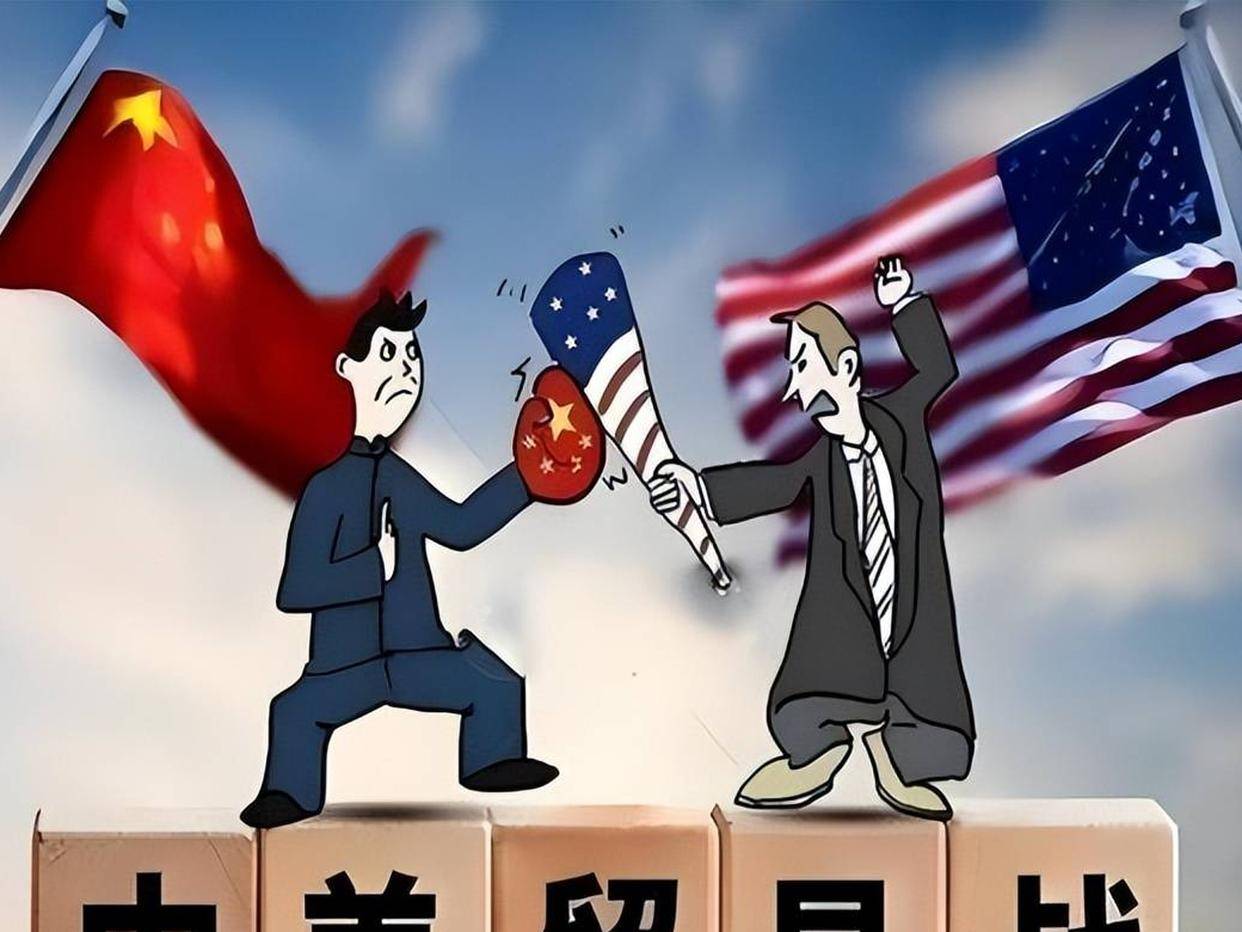
美元霸权将终结,全球货币革命正在上演,人民币迎来黄金时代
Sou Hu Cai Jing· 2026-02-27 15:11
Core Viewpoint - The article discusses the significant shift in global currency dynamics, highlighting the decline of the US dollar's dominance and the rise of alternative currencies, particularly the Chinese yuan, as countries seek to reduce their dependence on the dollar [1][3]. Group 1: Historical Context of the Dollar - The US dollar became the dominant global currency post-World War II due to the Bretton Woods system, which linked the dollar to gold and established it as the reserve currency [3]. - The dollar's status was further solidified by its connection to oil, as global oil transactions were mandated to be conducted in dollars, creating a "petrodollar" system [5]. Group 2: Recent Developments and Challenges - Since 2020, the US has printed trillions of dollars, leading to inflation and a devaluation of the dollar, which has negatively impacted other countries holding dollar reserves [7]. - The US has also weaponized the dollar through sanctions, causing countries to reconsider their reliance on the dollar for international trade [9]. Group 3: Shift Towards De-dollarization - Many countries are now opting to conduct trade in their own currencies, reducing reliance on the dollar. For instance, China and Russia have begun trading in their respective currencies [11]. - By 2025, over 30% of global trade is expected to be settled in national currencies, with the dollar's share of global reserves dropping below 50% [13]. Group 4: Rise of the Yuan - The yuan is gaining traction internationally, with significant growth in cross-border transactions. In 2025, Shanghai's cross-border yuan transactions reached 32.4 trillion yuan, a 9% increase from the previous year [15]. - The Belt and Road Initiative has facilitated the yuan's internationalization, as more countries engage in trade using the yuan instead of the dollar [17]. Group 5: Infrastructure for Yuan Transactions - The establishment and enhancement of the Cross-Border Interbank Payment System (CIPS) have made it easier and safer for countries to conduct transactions in yuan [21]. - The rapid development of digital yuan is also expanding its usability beyond China, with trials in various countries [21]. Group 6: Future of Currency Dynamics - The rise of the yuan is not aimed at replacing the dollar but rather at creating a more equitable and diverse global currency system, emphasizing cooperation and mutual benefits among nations [29]. - China's strong economic and industrial capabilities support the yuan's growing acceptance, contrasting with the dollar's reliance on military power and sanctions [27].
明抢!3年没收300亿美元,美国用技术霸权收割全球虚拟货币资产?
Sou Hu Cai Jing· 2026-02-27 13:35
Group 1 - The article reveals that individuals have allegedly siphoned off $30 billion from the global market, highlighting a significant issue in the virtual currency sector [1] - A criminal suspect named Chen Zhi had 127,000 bitcoins seized by the U.S. government, valued at approximately $15 billion at the time, which constitutes half of the total amount allegedly collected by the U.S. in recent years [1] - The U.S. is portrayed as controlling the core technology and key nodes of the global blockchain, with companies like Chainalysis and Elliptic monopolizing over 90% of the market share [3] Group 2 - The U.S. employs a systematic approach to regulate and control virtual assets, starting with legislative measures like the GENIUS Act, which extends its jurisdiction over global virtual asset platforms [5] - Advanced hacking techniques are utilized by the U.S. to infiltrate exchanges and obtain critical data, leading to substantial fines or imprisonment for non-compliance [5] - The article suggests that the majority of seized bitcoins are not returned to victims but are instead used as a strategic financial reserve by the U.S., potentially serving as a hedge against dollar depreciation [5] Group 3 - The actions of the U.S. are seen as undermining the global financial trust system, indicating that private property rights are only respected if aligned with U.S. interests [7] - The U.S. aims to integrate virtual currencies into the dollar system rather than outright banning them, effectively continuing to extract global wealth [7] - The article describes this situation as a form of "gunboat diplomacy," where developing countries are at a disadvantage in terms of technology and regulations, leading to a legal transfer of wealth to the U.S. [7] Group 4 - The narrative challenges the perception of virtual currencies as decentralized, asserting that U.S. technological dominance dictates the rules of engagement in the digital age [8] - The article emphasizes the importance of mastering core technologies to safeguard national wealth and personal assets against potential exploitation [8] - It raises questions about the future of virtual currencies in light of U.S. actions, suggesting a potential decline in their perceived value [8]

美国发动网攻侵占全球虚拟资产
Di Yi Cai Jing Zi Xun· 2026-02-27 04:48
Core Viewpoint - The report reveals a systematic operation by the U.S. government to exploit global virtual currency assets under the guise of technological superiority, aiming to maintain and enhance the dominance of the U.S. dollar while undermining the economic sovereignty of other nations [1][4]. Group 1: Global Virtual Currency Market - As of January 2026, the total market value of global virtual currencies is approximately $2.73 trillion, with Bitcoin alone valued at $1.57 trillion, representing 47% of the total value of global official gold reserves [1]. - Between 2022 and 2025, the U.S. has confiscated virtual currency assets worth over $30 billion through various cases [1]. Group 2: U.S. Hacking Operations - The U.S. possesses the largest state-sponsored hacking force globally, with targeted attacks on over 20 major virtual currency exchanges from 2023 to 2025, employing methods such as backdoor implants and phishing [2]. - These attacks are linked to enforcement actions by U.S. agencies like the Department of Justice and OFAC, indicating a coordinated effort to control virtual asset regulations and flows [2]. Group 3: Economic Implications - The U.S. aims to maintain its economic hegemony and the status of the dollar by directly seizing global wealth through confiscations and fines, while also controlling virtual asset regulatory frameworks [2]. - The revenue generated from virtual asset enforcement actions can add hundreds of billions of dollars to U.S. fiscal income annually, reinforcing the dependency of global virtual currency transactions on the dollar [3]. Group 4: Strategic Objectives - The U.S. government's strategy involves using technological dominance to harvest global virtual assets, with the ultimate goal of solidifying its economic power and the international status of the dollar [3][4]. - The report emphasizes that the seized Bitcoin represents only a fraction of the total assets acquired, with a significant portion retained as a strategic reserve to counteract global de-dollarization trends [3].
美国300亿虚拟货币收割:技术霸权下的金融殖民
Sou Hu Cai Jing· 2026-02-26 14:00
Core Viewpoint - The article highlights the emergence of a silent digital colonization led by the United States, utilizing technological hegemony and legal frameworks to transform virtual currencies into new financial colonial tools, with over $30 billion in global virtual assets confiscated from 2022 to 2025 [1][3]. Group 1: U.S. Control Over Virtual Currency - The U.S. has established absolute control over the technology chain, with 90% of the on-chain traceability market dominated by American companies like Chainalysis [3]. - The U.S. defines compliance and non-compliance at will, as seen in the case of Binance founder Zhao Changpeng, where the U.S. used hacking techniques to obtain internal data and imposed a $4.3 billion fine for "regulatory evasion" [3]. - The U.S. has created a closed loop of "technological advantage - regulatory binding - institutional execution" through cases like the confiscation of 127,000 Bitcoins from the Cambodian Prince Group founder [3]. Group 2: Legal and Technological Hegemony - The U.S. employs the GENIUS Act to mandate stablecoin reserves in U.S. Treasury bonds, integrating virtual currency transactions into the dollar settlement system [4]. - From 2023 to 2025, U.S.-backed hacker organizations are expected to launch targeted attacks on global exchanges, stealing core data while coordinating with law enforcement actions [4]. - The U.S. aims to control transaction flows and enforce compliance modifications, effectively integrating blockchain into a dollar-dominated financial system [4]. Group 3: Global Response and Implications - In response to U.S. technological colonialism, global initiatives like China's central bank digital currency and the EU's proposed digital euro are attempts to break the dollar monopoly [5]. - The report indicates that the Bitcoins confiscated by the U.S. are just the tip of the iceberg, with more assets being secretly accumulated as strategic reserves [5]. - The article warns that if technological monopolies and legal hegemony are allowed to persist, the digital world may become a new colony of the dollar [5].

还是用抢比较快!美用技术霸权收割全球虚拟货币资产!
Sou Hu Cai Jing· 2026-02-26 11:54
Core Viewpoint - The article discusses how the U.S. is leveraging its technological dominance to exert control over global virtual assets, effectively turning the decentralized financial revolution into a form of digital colonialism under the guise of regulatory compliance [1]. Group 1: U.S. Technological Dominance - The U.S. has established a global monitoring network for virtual assets, with companies like Chainalysis holding over 90% market share in on-chain data analysis, enabling precise tracking of asset flows for law enforcement actions [5]. - The U.S. has invested $2.1 billion in developing quantum decryption technology, posing a significant threat to blockchain security systems in the future [5]. Group 2: Legal and Regulatory Measures - The U.S. employs a dual approach of civil and criminal accountability to pressure global virtual asset platforms, exemplified by the case against Binance, where the U.S. extracted $4.3 billion in fines under the pretext of anti-money laundering [7]. - The U.S. has enacted policies like the Stablecoin Regulatory Act, mandating that 80% of reserves for dollar-pegged stablecoins be allocated to U.S. Treasury bonds, creating an annual demand of $300 billion for U.S. debt [7]. Group 3: Asset Seizure and Strategic Reserves - Since 2020, the U.S. Department of Justice has seized over $28 billion in cryptocurrencies, with assets from high-profile cases being incorporated into national strategic reserves to counteract global de-dollarization risks [9]. - The U.S. has generated significant profits from auctioning seized assets, with over $10 billion in revenue from Bitcoin auctions related to the Silk Road case alone [9]. Group 4: Global Response and Future Directions - In response to U.S. technological hegemony, countries are urged to develop autonomous blockchain security systems and promote quantum-resistant algorithms [11]. - Collaborative international regulatory efforts are necessary to resist U.S. extraterritorial jurisdiction, with China designating virtual currency activities as illegal and accelerating the rollout of its digital yuan [11].

简直就是明抢!3年没收300亿美元,美国用技术霸权收割全球虚拟货币资产?
Sou Hu Cai Jing· 2026-02-26 10:37
Core Insights - The article reveals that the U.S. has allegedly seized $30 billion from the global cryptocurrency market over recent years, highlighting a systematic approach to control and profit from digital assets [1][3] - A significant case involves the seizure of 127,000 bitcoins from a suspect named Chen Zhi, valued at $15 billion at the time, which constitutes half of the total amount seized by the U.S. [1][3] - The U.S. is portrayed as both the regulator and participant in the cryptocurrency market, leveraging its technological dominance to monitor and control transactions [3][6] Regulatory Framework - The U.S. has established legal frameworks, such as the GENIUS Act, to extend its jurisdiction over global virtual asset platforms, compelling compliance from any entity using U.S. dollars [6][8] - Advanced technological measures are employed for evidence collection, including state-sponsored hacking to access critical data from exchanges [7][8] Financial Implications - The article suggests that the seized assets, rather than being returned to victims, may be utilized by the U.S. as a strategic financial reserve, potentially serving as a hedge against dollar depreciation [9][12] - The U.S. is seen as reinforcing its dollar hegemony by integrating cryptocurrency transactions into its financial system, rather than outright banning them [13][14] Global Impact - The actions of the U.S. are contributing to a collapse of the global financial trust system, signaling that private property rights are contingent upon alignment with U.S. interests [12][14] - Developing countries are depicted as being at a disadvantage in this new form of "gunboat diplomacy," where wealth is transferred under the guise of legal enforcement [14][16] Conclusion - The article questions the notion of decentralization in cryptocurrency, asserting that technological dominance equates to rule-making power, which is currently held by the U.S. [16]

美国金融战的两大手段,越南印度被收割,中欧已不吃美国这一套
Sou Hu Cai Jing· 2026-02-26 02:54
Economic Challenges in the U.S. - The U.S. is facing significant internal and external pressures, including a surge in COVID-19 infections and economic contraction, leading to a crisis for the Biden administration [1] - The Biden administration's economic stimulus measures have resulted in the Federal Reserve printing over $5 trillion, equivalent to a quarter of the U.S. annual GDP of $20 trillion [5][6] Federal Reserve Policies - The Federal Reserve's extreme measures include unlimited money printing and reverse repos to manage the economy and capitalize on emerging markets [3][8] - The reverse repo policy initiated on August 18, 2021, involved the repurchase of $1.116 trillion in dollar assets, effectively reducing the dollar supply in the market [8] Global Economic Impact - The influx of dollars has led to global inflation and rising prices, affecting international markets and increasing the scarcity of production resources [6] - The U.S. dollar's status as the global reserve currency allows the Federal Reserve's actions to have far-reaching effects, including volatility in capital markets heavily reliant on the dollar [6] De-dollarization Trends - Countries like Iran and Russia are moving away from the dollar in oil transactions, while China and the EU are developing alternative payment systems to reduce reliance on the dollar [10] - Emerging markets such as Vietnam and India are particularly vulnerable to U.S. economic policies, with Vietnam's economy heavily dependent on U.S. exports and facing potential backlash from U.S. tariffs [10] Future Economic Outlook - The Biden administration's strategies to stabilize the U.S. economy through global financial manipulation may lead to a loss of trust in the dollar and increased global economic instability [10]
最新报告揭露美国利用技术霸权收割全球虚拟货币资产,从陈志案获利达150亿美元
Sou Hu Cai Jing· 2026-02-26 02:07
Core Insights - The report reveals that the United States has seized over $30 billion in global virtual currency assets from 2022 to 2025, with the Chen Zhi case alone accounting for $15 billion, representing 50% of the total seized amount [1][4]. Group 1: U.S. Dominance in Virtual Currency - The U.S. is identified as the "number one player" in the international virtual currency landscape, maintaining a dominant position as the "banker" in this large-scale "gambling" scenario [1]. - The U.S. controls the core research and development rights of major blockchain protocols, key node control, and on-chain data analysis technology, with leading blockchain firms like Chainalysis and Elliptic dominating over 90% of the global on-chain tracing market [1]. Group 2: Case Studies of Asset Seizure - The Chen Zhi and Zhao Changpeng cases exemplify how the U.S. utilizes its technological hegemony to harvest global virtual assets, showcasing a closed-loop process of "technological advantage - regulatory binding - institutional execution" [2]. - In the Chen Zhi case, the U.S. seized approximately 127,000 bitcoins valued at around $15 billion, marking the largest virtual asset seizure in U.S. judicial history [4]. - The Zhao Changpeng case involved a dual civil and criminal pursuit, resulting in Binance paying a fine of $4.3 billion as part of a plea agreement [4]. Group 3: Cyber Attacks and Financial Gains - The report indicates that U.S.-backed hacker organizations targeted over 20 global virtual currency exchanges from 2023 to 2025, employing methods such as backdoor implantation and phishing to steal sensitive information [5]. - U.S. enforcement actions in the virtual asset sector are projected to generate hundreds of billions in annual fiscal revenue, reinforcing global reliance on the U.S. dollar and solidifying its status as the international reserve currency [5]. Group 4: Strategic Objectives - The report concludes that the U.S. government leverages technological hegemony, financial innovation, and virtual currency assets to maintain and upgrade the dollar hegemony system, with the overarching goal of continuing to harvest resources globally [5].