
透明外卖

Search documents
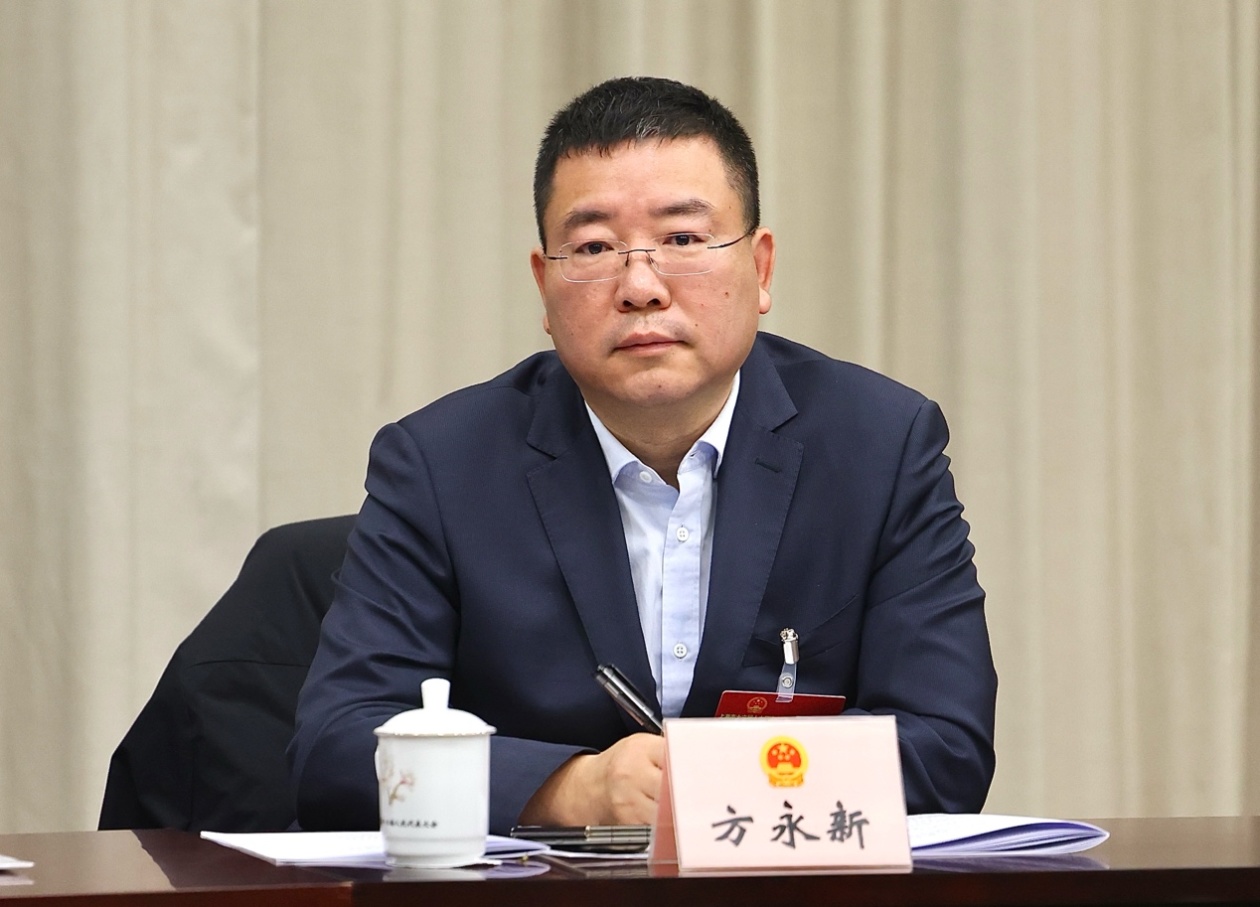
方永新代表建议升级“AI+明厨亮灶”:让透明化从监管约束迈向增长引擎
Huan Qiu Wang· 2026-02-03 12:54
Core Viewpoint - The proposal aims to enhance food safety in Shanghai through the implementation of an "AI + Bright Kitchen" system, promoting transparency in food delivery and creating a win-win situation for food safety governance and business environment optimization [1] Group 1: AI + Bright Kitchen Initiative - The initiative suggests building a unified "AI + Bright Kitchen" intelligent system and advancing the "Transparent Takeaway" project, which involves integrating mainstream takeaway platforms to ensure compliance and consumer trust [2] - The "Bright Kitchen 2.0" program has shown significant improvements in food safety management, with over 90% of merchants resolving issues identified during AI inspections within three months [2] - The program has transformed from a compliance tool to a revenue-generating asset, as visible hygiene and production processes have become key factors for consumer purchasing decisions [2] Group 2: Case Study and Impact - The example of "Wang Chun Chun Chicken Soup Rice" illustrates how real-time kitchen streaming can enhance consumer trust, resulting in a 28% increase in takeaway orders, a 19% rise in repeat purchases, and a 23% improvement in customer ratings [3] - The initiative addresses the dual transition in consumer behavior and perception within the restaurant industry, turning transparency into a new brand asset amidst concerns over pre-made dishes [3] Group 3: Support for Small and Micro Enterprises - The proposal includes a financial incentive model where the government, platforms, and merchants share costs, with a focus on supporting small and micro businesses [4] - It suggests increasing subsidies for small merchants and incorporating "Bright Kitchen" compliance into credit evaluations, providing rewards and operational conveniences for exemplary businesses [4] Group 4: Broader Industry Implications - The "Bright Kitchen" initiative is part of a broader entrepreneurial support plan that includes providing resources to underrepresented groups, such as students and disabled entrepreneurs, to foster transparency in the industry [6] - The industry landscape is shifting towards high transparency and standards, with businesses adhering to these principles likely to thrive while those relying on ambiguous practices face elimination [6]

从“拆盲盒”到“云监工”,经得起围观的外卖才是真硬气
Xin Jing Bao· 2025-07-11 06:49
Core Viewpoint - The article emphasizes the necessity of transparency in the food delivery industry, highlighting consumer demands for food safety and traceability as essential for survival in the market [4][5][6]. Group 1: Consumer Expectations - Consumers are increasingly skeptical about food safety, leading them to prefer well-known brands and higher-priced meals that they perceive as more reliable [2][4]. - There is a growing demand for transparency, with consumers wanting to see the entire food preparation process and trace the source of ingredients [4][5]. Group 2: Industry Response - The concept of "transparent kitchens" is being promoted as a solution to food safety issues, allowing consumers to observe food preparation in real-time [3][6]. - The integration of digital technology in the food industry, such as "Internet + Transparent Kitchen," is being adopted to enhance food safety and regulatory oversight [3][6]. Group 3: Innovations in Food Delivery - Meituan's "Raccoon Kitchen" initiative allows users to experience real-time monitoring of food preparation and ensures food safety through strict packaging and traceability [5][6]. - The initiative aims to standardize non-dine-in food delivery, addressing safety concerns that have been prevalent in the industry [6][7]. Group 4: Regulatory Support - The Chinese government is actively promoting the "Internet + Transparent Kitchen" model as part of its guidelines for improving food safety in the restaurant industry [3][6]. - Local governments are also developing standards and regulations for non-dine-in food delivery to enhance food safety and consumer trust [6].