速冻技术

Search documents
贾国龙要求道歉,罗永浩承认冷冻西蓝花“成本更高”!一斤西蓝花从两块多升值到20多元,业内人士:速冻的可能比新鲜菜更好
Xin Lang Cai Jing· 2026-01-17 05:22
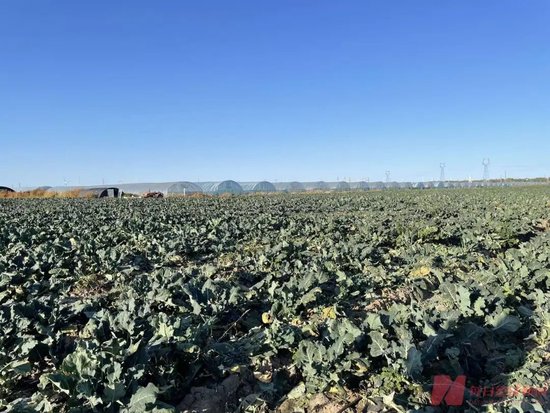
Core Viewpoint - The ongoing controversy surrounding "Xibei frozen broccoli" highlights the tension between traditional food practices and modern food technology, particularly in the context of supply chain transparency and product quality assurance [1][11]. Group 1: Industry Dynamics - The cost of broccoli cultivation has increased significantly, with current expenses averaging around 1.3 yuan per kilogram, which has risen compared to previous years [3][5]. - Labor costs are rising due to an aging workforce, leading to a reliance on more expensive external labor [5]. - The price of imported broccoli seeds has decreased, with domestic seed production rates improving, which may enhance the bargaining power of local farmers [5][13]. Group 2: Supply Chain and Processing - Cold chain logistics play a crucial role in maintaining the quality of broccoli during transportation, with costs for transporting to distant markets like Guangzhou reaching up to 26,500 yuan per trip [6][10]. - The cold storage facilities are essential for preserving broccoli, with a large cold chain facility in Zhangbei capable of holding 10,000 tons [10][13]. - The difference between cold chain storage and freezing technology is significant, with freezing being a method that can enhance food preservation without the need for preservatives [11][12]. Group 3: Market Trends and Consumer Perception - The price of frozen broccoli is significantly higher than that of fresh broccoli, with frozen products selling for approximately 22.8 yuan per kilogram compared to fresh broccoli at around 10 yuan [11][12]. - The controversy over frozen broccoli stems from consumer skepticism regarding its quality and the implications of a two-year shelf life, which can be mitigated through better understanding of freezing technology [11][12]. - The industry is moving towards more processed vegetable products, with opportunities for deep processing and export markets, particularly in countries like South Korea and Thailand [13].


贾国龙要求道歉,罗永浩承认冷冻西蓝花“成本更高”!业内人士:速冻的可能比新鲜菜更好
Xin Lang Cai Jing· 2026-01-17 04:31
Core Viewpoint - The ongoing debate surrounding frozen broccoli highlights the complexities of supply chain management and consumer perceptions regarding food quality and pricing, with significant price increases observed in fresh produce due to rising costs in cultivation and transportation [1][15]. Group 1: Cost and Pricing Dynamics - The cost of planting broccoli has increased, with expenses for land rental, fertilizers, pesticides, and labor averaging around 1.3 yuan per pound, which is significantly higher than in previous years [5][19]. - Fresh organic broccoli is priced around 10 yuan per pound, while regular broccoli ranges from 3 to 8 yuan per pound, indicating a substantial markup for organic options [5][18]. - The price of imported broccoli seeds has decreased from approximately 18,000 yuan per pack to under 7,000 yuan, improving the cost structure for local farmers [6][19]. Group 2: Cold Chain and Transportation - Cold chain logistics are crucial for maintaining the quality of broccoli during transportation, with methods such as using ice and refrigerated trucks being standard practices [20][24]. - Transporting broccoli to distant markets like Guangzhou incurs additional costs, with estimates suggesting that transportation and packaging can add around 1 yuan to the original planting cost [20][22]. - The establishment of cold storage facilities is essential for managing supply and ensuring freshness, with a large cold storage facility in Zhangbei capable of holding 10,000 tons of produce [10][24]. Group 3: Industry Trends and Future Directions - The frozen vegetable market is seen as a potential growth area, with frozen broccoli often priced higher than fresh due to processing costs and perceived quality advantages [11][25]. - The industry is moving towards increased mechanization and improved cold chain logistics to enhance efficiency and reduce costs, addressing challenges such as labor shortages and seasonal fluctuations [27][28]. - There is a growing emphasis on developing domestic seed varieties to reduce dependency on imports and improve the competitive position of local farmers [19][27].