
冷链运输

Search documents
东兴证券晨报-20260312
Dongxing Securities· 2026-03-12 09:50
Core Insights - The report highlights the impact of industry demand fluctuations on the company's revenue and profit margins, with a noted decline in various product sales and overall revenue [5][6][7] Company Performance - The company reported a total revenue of 4.474 billion yuan for 2025, a decrease of 8.78% year-on-year, with a net profit attributable to shareholders of 690 million yuan, down 26.87% [4] - Sales volume and revenue for most products declined, except for the aluminum-plastic cap plastic bottle series, which saw a slight increase in sales volume to 933 million units, up 4.81% [5] - The molded bottle series experienced a sales volume of 330,300 tons and revenue of 2.033 billion yuan, reflecting a year-on-year decline of 11.79% and 13.59% respectively [5] - The company’s comprehensive gross margin improved to 33.31%, an increase of 0.16 percentage points year-on-year, driven by product structure optimization and automation [6] - The net profit margin for 2025 was reported at 15.41%, a decrease of 3.82 percentage points year-on-year, influenced by inventory write-down losses and increased management expenses [7] Financial Health - The company's asset-liability ratio decreased to 17.42%, down 3.61 percentage points year-on-year, indicating improved financial stability [8] - Cash and cash equivalents accounted for 10.69% of total assets, an increase of 0.18 percentage points, providing a solid foundation for risk management and future growth [8] Strategic Developments - The company plans to establish a wholly-owned subsidiary in Malaysia to expand its overseas business, with exports in 2025 reaching 1.502 billion yuan, a year-on-year increase of 1.98% [8] - A directed share issuance is set to change the actual controller to a subsidiary of China National Pharmaceutical Group, which is expected to enhance collaboration and development opportunities [10]



餐桌上那份新鲜从何而来?
Xin Lang Cai Jing· 2026-02-10 01:34
Core Viewpoint - The article highlights the advancements in China's agricultural practices and logistics that enable the continuous supply of fresh produce throughout the year, even in winter, showcasing the effectiveness of modern farming techniques and cold chain logistics [8][10][14]. Group 1: Agricultural Practices - China's agricultural output for grains, meat, peanuts, tea, fruits, and seafood ranks first in the world, with continuous optimization of agricultural structures and the development of modern facility agriculture [8]. - The use of scientific methods in fruit cultivation, such as the promotion of advanced techniques like dwarfing and green cultivation, has significantly improved the quality and yield of fruits like the "Yaba Gan" citrus, with expected yields reaching 4,500 pounds per acre [10][11]. - The cultivation of strawberries has been extended from December to May, allowing for a longer growing period and sweeter fruit due to greater temperature variation [11][12]. Group 2: Logistics and Supply Chain - The logistics system in China has become increasingly sophisticated, incorporating cold chain transportation and green channels to ensure rapid delivery of fresh produce from farms to consumers [8][14]. - The development of cold storage facilities has enhanced the preservation of fruits and vegetables, allowing for better quality and freshness during transportation [13]. - The integration of online sales channels with offline distribution has enabled farmers to reach broader markets, including regions like Hunan, Hubei, Shandong, and Hebei [10]. Group 3: Market Dynamics - The Beijing Xinfadi market showcases a variety of fresh fruits from around the world, emphasizing the importance of controlling quality from source to logistics [14][15]. - Modern logistics improvements have reduced transportation times for imported fruits, such as cherries from Chile, which can now be shipped directly in 23 days [15]. - The use of technology in ripening processes, such as the gas adjustment method for bananas, has significantly reduced the time required for uniform ripening from 10 days to 3 days [15]. Group 4: Retail Innovations - Supermarkets like JD's Seven Fresh utilize a differentiated preservation system to ensure that fresh produce is delivered to consumers in optimal condition, with a focus on direct sourcing and rapid transportation [19][20]. - The implementation of strict temperature and humidity monitoring in storage and display areas helps maintain the quality of fresh products [20]. - The use of advanced packaging techniques, such as dry ice and aluminum foil bags, ensures that perishable items remain fresh during delivery, adapting to seasonal temperature variations [20].

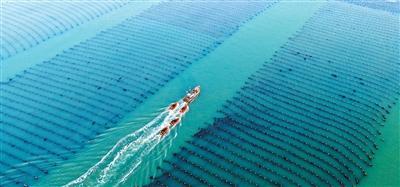
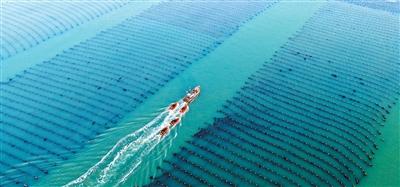
餐桌上那份新鲜从何而来?(外国网友“趣”问中国)
Ren Min Ri Bao Hai Wai Ban· 2026-02-09 22:48
Core Viewpoint - The article highlights the advancements in China's agricultural practices and logistics that enable the delivery of fresh produce year-round, showcasing the integration of modern technology and efficient supply chains to meet consumer demand for freshness [6][12]. Group 1: Agricultural Practices - China's agricultural output for grains, meat, peanuts, tea, fruits, and seafood ranks first globally, with continuous optimization of agricultural structures and the development of modern facility agriculture [6]. - In Sichuan's Yibin City, the quality of citrus fruits, such as Yaba Gan, has significantly improved due to scientific cultivation methods, with expected yields reaching 4,500 pounds per acre [8]. - The "小时候" strawberry farm utilizes advanced techniques like mist cultivation, allowing for higher yields and earlier market availability compared to traditional methods [10][11]. Group 2: Logistics and Supply Chain - The logistics system in China has evolved with cold chain transportation and green channels, ensuring that fresh produce reaches consumers quickly [6]. - The New Fa Di market in Beijing showcases a variety of imported fruits, with a focus on maintaining quality through controlled logistics from source to delivery [12][13]. - The integration of both cold and warm chain logistics is essential for preserving the quality of tropical fruits during transportation [15]. Group 3: Retail and Consumer Experience - Supermarkets like JD's Seven Fresh employ differentiated preservation systems to ensure freshness, with direct sourcing and rapid delivery processes [16][18]. - Advanced storage management and smart hardware enhance the preservation of fresh products, with strict monitoring of temperature and humidity [19][20]. - Seven Fresh's delivery service adapts to weather conditions to maintain product quality, ensuring timely and fresh delivery to consumers [21][22].
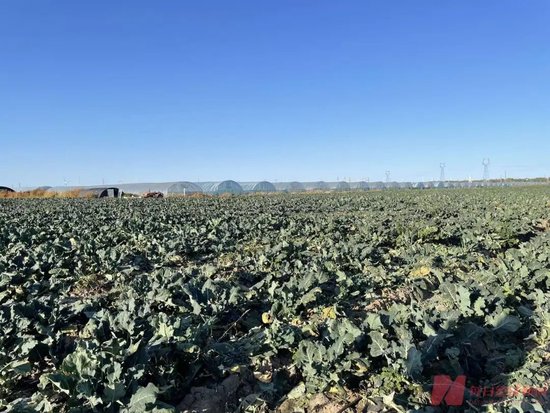
贾国龙再发声:西贝冷冻西蓝花比市面普通市价高80%-120%
2 1 Shi Ji Jing Ji Bao Dao· 2026-01-18 14:29
Group 1 - The core viewpoint of the article is that Xibei's chairman, Jia Guolong, addressed consumer concerns regarding the frozen broccoli issue, emphasizing the high quality and safety standards of their product [1] - Xibei uses frozen organic broccoli that is free from pesticides, which is priced 80% to 120% higher than regular broccoli available in the market, despite having a large-scale procurement advantage [1] - The broccoli is exported to regions such as Japan, South Korea, and the United States, and was previously used for the Asian Games, indicating its premium quality [1] Group 2 - The broccoli is processed using ultra-low temperature freezing technology, which helps to retain vitamins, minerals, and dietary fiber without the addition of preservatives [1] - Xibei ensures full cold chain transportation to maintain the highest food safety standards [1]
贾国龙要求道歉,罗永浩承认冷冻西蓝花“成本更高”!业内人士:速冻的可能比新鲜菜更好
Xin Lang Cai Jing· 2026-01-17 04:31
Core Viewpoint - The ongoing debate surrounding frozen broccoli highlights the complexities of supply chain management and consumer perceptions regarding food quality and pricing, with significant price increases observed in fresh produce due to rising costs in cultivation and transportation [1][15]. Group 1: Cost and Pricing Dynamics - The cost of planting broccoli has increased, with expenses for land rental, fertilizers, pesticides, and labor averaging around 1.3 yuan per pound, which is significantly higher than in previous years [5][19]. - Fresh organic broccoli is priced around 10 yuan per pound, while regular broccoli ranges from 3 to 8 yuan per pound, indicating a substantial markup for organic options [5][18]. - The price of imported broccoli seeds has decreased from approximately 18,000 yuan per pack to under 7,000 yuan, improving the cost structure for local farmers [6][19]. Group 2: Cold Chain and Transportation - Cold chain logistics are crucial for maintaining the quality of broccoli during transportation, with methods such as using ice and refrigerated trucks being standard practices [20][24]. - Transporting broccoli to distant markets like Guangzhou incurs additional costs, with estimates suggesting that transportation and packaging can add around 1 yuan to the original planting cost [20][22]. - The establishment of cold storage facilities is essential for managing supply and ensuring freshness, with a large cold storage facility in Zhangbei capable of holding 10,000 tons of produce [10][24]. Group 3: Industry Trends and Future Directions - The frozen vegetable market is seen as a potential growth area, with frozen broccoli often priced higher than fresh due to processing costs and perceived quality advantages [11][25]. - The industry is moving towards increased mechanization and improved cold chain logistics to enhance efficiency and reduce costs, addressing challenges such as labor shortages and seasonal fluctuations [27][28]. - There is a growing emphasis on developing domestic seed varieties to reduce dependency on imports and improve the competitive position of local farmers [19][27].
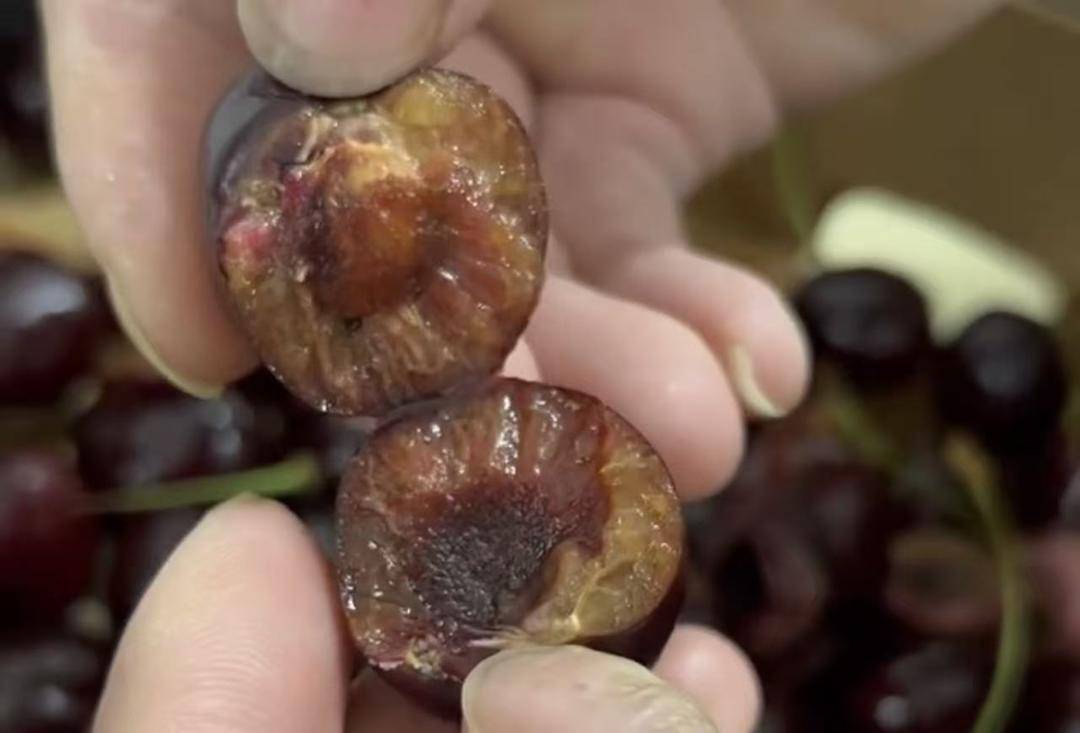
为什么车厘子历经一个月到中国还不坏,买回家没几天就蔫了?江苏省农科院专家释疑
Yang Zi Wan Bao Wang· 2026-01-12 12:28
Core Viewpoint - The freshness of imported cherries from Chile is maintained during transportation through advanced cold chain technologies, but their quality deteriorates rapidly once removed from controlled conditions at home [1][4][6]. Group 1: Transportation and Preservation Techniques - Chilean cherries utilize rapid pre-cooling, intelligent grading, and modified atmosphere packaging to enter a "deep sleep" state during transport, significantly extending their shelf life [1][4]. - The cold chain system maintains precise temperature control between -1°C and 1°C, allowing cherries to remain in a near-hibernation state, which slows down their metabolism and preserves freshness [6][4]. - Common post-harvest treatments include pre-cooling, grading, and packaging, with automated systems used for sorting based on size, color, and surface integrity [5][4]. Group 2: Consumer Storage Recommendations - To extend the freshness of cherries at home, they should be stored in the refrigerator's ice fresh layer, ideally at temperatures between 0°C and 3°C, which is closer to the conditions during transport [7][6]. - Consumers are advised to maintain the gas balance in packaging; once opened, the cherries' respiration rate increases, leading to faster spoilage [7][5]. - If cherries are not consumed immediately, it is recommended to repackage them in smaller portions, removing excess air to minimize environmental changes that could affect quality [7][6].
一瓶青岛原浆的自白:用“鲜活”定义消费主张
2 1 Shi Ji Jing Ji Bao Dao· 2026-01-06 05:54
Core Viewpoint - The article highlights the rising popularity of Qingdao Draft Beer, emphasizing its freshness and unique qualities that appeal to consumers, particularly during festive gatherings like the Spring Festival [2][3]. Group 1: Product Definition and Standards - Qingdao Draft Beer is defined as "fresh beer" according to the national standard, which allows for the presence of live yeast and does not undergo pasteurization or sterilization [3][4]. - The introduction of the group standard for "Draft Beer" in 2020, led by Qingdao Beer, provides a specific definition and quality assurance for this product category [3][4]. Group 2: Production and Quality Control - The production process ensures that each milliliter of beer contains a significant amount of live yeast, enhancing its nutritional value [4][5]. - The manufacturing environment is highly controlled, with a 10,000-level sterile filling workshop and strict monitoring of temperature and humidity to maintain product integrity [5][6]. Group 3: Transportation and Distribution - Qingdao Draft Beer employs a cold chain logistics system to ensure that the beer is transported at a constant temperature of 5°C, with real-time monitoring to prevent temperature fluctuations [6][7]. - The company has developed a rapid delivery system, covering over 38 cities and 1,100 stores, allowing consumers to receive fresh beer within 30 minutes of ordering [8]. Group 4: Market Expansion and Consumer Engagement - The company has seen a significant increase in international visitors, particularly from South Korea, with a 63% year-on-year growth in arrivals, leading to higher demand for Qingdao Draft Beer [8]. - Qingdao Beer has launched over 20 new products in the past year, expanding its portfolio to 119 products across various categories, catering to diverse consumer preferences [13][14]. Group 5: Sustainability and Industry Leadership - Qingdao Beer aims to become a leader in sustainability, with a target of 86.8% green electricity usage by 2025 and multiple factories certified for carbon neutrality [14]. - The company has been recognized for its innovative practices and has participated in numerous international events, enhancing its brand visibility and consumer engagement [14].

湖南怀化国际陆港今年班列量破千 高附加值产品成“新常客”
Zhong Guo Xin Wen Wang· 2025-11-05 06:29
Core Insights - The Huaihua International Land Port has achieved significant growth in freight volume, surpassing 1,000 trains this year, with a notable increase in high-value products [1][2] - The logistics network has expanded to cover 69 countries and regions, with 196 international and domestic routes established [1] - The shift from low-value bulk commodities to high-value goods is evident, with the proportion of low-value products expected to drop from 55% in 2023 to 16% by 2025 [1] Group 1 - Huaihua International Land Port has dispatched 1,002 trains as of November 2, 2023, marking an early achievement compared to the previous year [1] - The port has developed a logistics network that includes 216 ports and stations globally, with seven major international logistics corridors in regular operation [1] - The local industries, including bag manufacturing, bamboo and wood products, and agricultural processing, are rapidly integrating into the global market, with significant export growth reported [1] Group 2 - The development of cold chain transportation has been a focus, with 3,038 cold chain containers of fruits and vegetables dispatched [2] - Regular operation of cold chain trains on the Xiang-Dian-Lan-Mekong route has been established, targeting specific products for expansion [2] - Future plans include enhancing cold chain services for products like dragon fruit, durian, and longan, aiming to create a distribution center for cold chain products in the Southwest region [2]
千味央厨20251029
2025-10-30 01:56
Summary of Qianwei Yangchu Conference Call Company Overview - **Company**: Qianwei Yangchu - **Industry**: Frozen Food, specifically Frozen Noodle and Rice Products - **Established**: April 2012 - **Main Business**: Research, production, and sales of frozen noodle and rice products for the catering industry, providing customized and standardized frozen food solutions for restaurant chains, hotels, and group canteens [14][15] Key Financial Performance - **Q3 2025 Revenue**: 4.92 billion CNY, a year-on-year increase of 4% [2][4] - **Net Profit**: 0.18 billion CNY, a year-on-year decrease of 19% [2][4] - **YTD Revenue (2025)**: 13.78 billion CNY, a year-on-year increase of 1% [4] - **YTD Net Profit**: 0.54 billion CNY, a year-on-year decrease of 34% [4] - **Gross Margin**: 22.73%, down 1.52 percentage points year-on-year due to product structure adjustments [2][5] - **Sales Expense Ratio**: Increased by 0.79 percentage points, but reduced to 4.72% in Q3 due to strategic adjustments [2][5] Industry Insights - **Market Growth**: The frozen food industry is benefiting from improved cold chain logistics and consumption upgrades, with an expected market size of 270 billion CNY by 2026 [2][6] - **Frozen Noodle and Rice Products**: Represent 52% of the market, indicating significant growth potential despite a slight decline in market share [6] - **Competitive Landscape**: Dominated by three major players—Sanquan, Sinian, and Wan Chai Ferry—holding 64% of the market share [7] Market Trends - **Catering Market**: The Chinese catering market has reached 5 trillion CNY, with increasing chain restaurant penetration from 12% to 15% [8] - **Central Kitchen Model**: The rise of chain restaurants is driving the development of central kitchen models, which enhance cost efficiency and standardization [9] - **Takeout Market**: The booming takeout market demands quicker meal preparation, favoring the convenience of frozen noodle and rice products [10] Competitive Advantages - **Product Innovation**: Focus on scene-oriented product development, with a strong emphasis on R&D capabilities [15][19] - **Direct Sales and Distribution**: Combination of direct services to large chain clients and sales through distributors to small restaurants, leveraging early partnerships with major brands [20][21] - **Capacity Expansion**: Plans for nationwide capacity expansion through new projects and partnerships to enhance scale effects [15][16] Customer Insights - **B2B vs. B2C Demand**: B2B clients, especially large chains, prioritize cost-effectiveness and supply stability, while B2C clients face profit pressures from rising costs [12][19] - **Direct Client Strategy**: Collaborating with large chains ensures business stability and enhances product innovation capabilities [20] Conclusion - **Future Outlook**: Qianwei Yangchu is positioned to capitalize on the growing frozen food market, driven by strategic adjustments in operations, a focus on R&D, and a robust distribution model. The company is well-placed to meet the evolving demands of both B2B and B2C segments in the catering industry [2][10][21]
安井食品20251028
2025-10-28 15:31
Summary of Anjoy Foods Conference Call Company Overview - **Company**: Anjoy Foods - **Industry**: Frozen Food and Prepared Dishes Key Points Sales Strategy and Channel Performance - Anjoy Foods has established a robust channel barrier through an omnichannel sales strategy, with the distribution channel accounting for 76% of revenue in the first half of 2022, indicating the effectiveness of its channel strategy [2][4][5] - The company maintains a stable network of distributors, providing flexible policy support to enhance distributor loyalty, ensuring that distributor revenue remains above 75%, which forms a significant competitive advantage [2][4][5] Production Capacity and Market Position - Anjoy Foods is the leading producer in the industry, with a capacity utilization rate consistently exceeding 100%. The company has expanded production bases and upgraded old facilities to alleviate supply shortages during peak seasons and reduce transportation costs [2][5] - The company operates 11 production bases and has over 30 projects under construction, continuously building new bases and upgrading existing ones to support production capacity [5] Industry Growth and Market Potential - The Chinese frozen food market is experiencing rapid growth, expected to reach a market size of 330 billion yuan by 2025, driven by improvements in cold chain logistics and changes in consumer structure [2][6] - There is significant room for growth in per capita consumption of frozen foods in China, which was 9 kg in 2019 compared to 65 kg in the U.S. and 35 kg in Europe [6] Prepared Dishes Business Development - Anjoy Foods is actively expanding its prepared dishes segment through self-production, private labeling, and acquisitions, launching several market-recognized flagship products [2][7][11] - The prepared dishes market is projected to reach a trillion yuan by 2025, with significant growth potential as per capita consumption in China is currently low compared to other countries [9][10] Financial Performance - In the first half of 2023, Anjoy Foods reported revenue of 7.6 billion yuan, a year-on-year increase of 0.8%, while net profit attributable to shareholders was 676 million yuan, a decline of 15.79% [3][12] - The gross margin was 20.52%, down 3.39 percentage points year-on-year, primarily due to rising raw material prices [3][12] Channel Performance Insights - Revenue from the distributor channel was 6 billion yuan, a slight decline of 1.15%, while the retail and e-commerce channels showed strong performance with a revenue increase of 20.92% [3][13] - The company collaborates with new retail platforms like Hema and Dingdong Maicai to enhance supply capabilities in emerging markets, although demand remains under pressure [3][13] Management and Strategic Direction - The management team, led by Chairman Liu Liming and General Manager Zhang Qingnian, has shown high professionalism and loyalty since the company's inception, effectively implementing the omnichannel sales strategy [4] Product Innovation and Market Strategy - Anjoy Foods focuses on product innovation, launching regional new products based on local dietary habits, which are then promoted nationwide to ensure sustainable growth [8] Recent Acquisitions - The company completed the acquisition of Jiangsu Dingwei Tai Foods, entering the frozen baking sector and enhancing its capabilities in high-end cod fish paste and frozen baking products [12][11] This summary encapsulates the key insights from the conference call, highlighting Anjoy Foods' strategic initiatives, market positioning, financial performance, and growth potential in the frozen food and prepared dishes industry.
