
遵义会议精神

Search documents
再现长征“万水千山只等闲” 中共一大纪念馆与遵义会议纪念馆联合主办专题展开幕
Jie Fang Ri Bao· 2026-02-10 00:57
Core Viewpoint - The exhibition commemorating the 90th anniversary of the victory of the Long March showcases the historical significance and spirit of the Chinese Communist Party during challenging times, encouraging visitors to "stay true to the original aspiration and continue moving forward" on the new Long March [1][2]. Group 1: Exhibition Overview - The exhibition is titled "A Thousand Rivers and Mountains Awaiting Leisure" and is held at the Memorial Hall of the First National Congress of the Communist Party of China [1]. - It features a main narrative focused on the battle history of the Chinese Workers' and Peasants' Red Army, divided into three sections: "Rivers: The Will to Surge," "Grasslands: The Hope to Hide," and "Mountains: The Unyielding Monument" [1]. - The exhibition is co-hosted by the Memorial Hall of the First National Congress and the Memorial Hall of the Zunyi Conference, utilizing artifacts from both institutions [1]. Group 2: Artifacts and Themes - The exhibition includes 20 artifacts from the Zunyi Conference Memorial Hall, such as a clock from the conference venue, "Red Star" newspaper, military water bottles, document boxes, and oil lamps, which reflect the Red Army's spirit of determination and discipline [1]. - Narrative elements include works by Chen Yun, Huang Zhen, and Xiao Hua, which provide a storytelling framework for the exhibition [1]. Group 3: Interactive Experience - The exhibition emphasizes atmosphere creation and interactive experiences, employing techniques like scene restoration, digital projection, and sound effects to create an immersive viewing space [2]. - The first floor features a physical sand table combined with dynamic projections to vividly present the hardships faced by the Red Army during the Long March [2]. - The second floor includes a special area titled "Red in Art: The Long March," showcasing five artworks that encapsulate the spirit of the Long March [2]. Group 4: Duration - The exhibition is set to run until May 2026 [2].

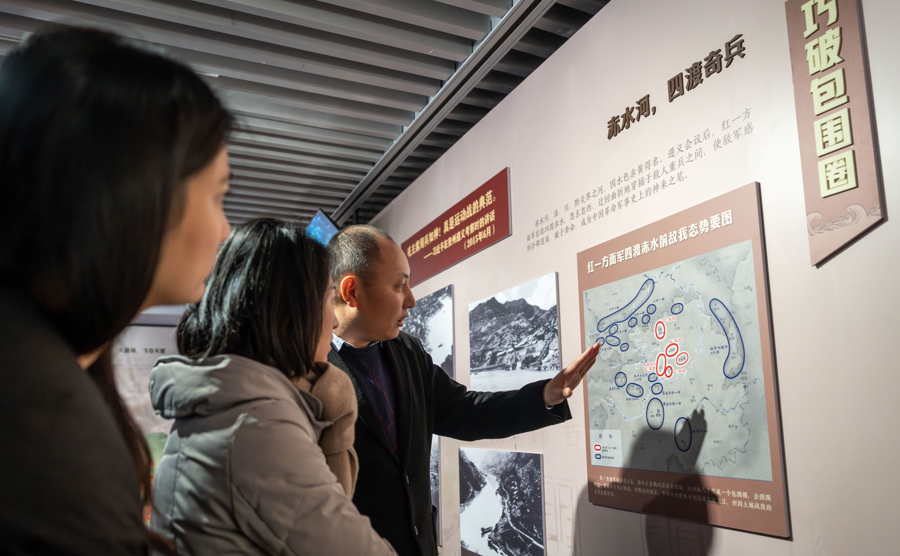
“万水千山只等闲——纪念中国工农红军长征胜利90周年专题展”在上海开幕
Xin Lang Cai Jing· 2026-02-09 22:25
Core Viewpoint - The exhibition "Ten Thousand Rivers and Mountains Await" commemorates the 90th anniversary of the victory of the Long March, aiming to promote the spirit of the Communist Party and the Long March [1] Group 1: Exhibition Overview - The exhibition is organized by the Shanghai Municipal Committee of the Communist Party and the Guizhou Provincial Committee of the Communist Party, with support from the Shanghai Municipal Party History Research Office and co-hosted by the Memorial Hall of the First National Congress of the Communist Party of China and the Zunyi Conference Memorial Hall [1] - It showcases the historical significance of the Long March through various artifacts, precious documents, and innovative formats, illustrating the perseverance and victories of the Communist Party during challenging times [1] Group 2: Thematic Structure - The exhibition is divided into three main sections: "Rivers: The Flowing Will," "Grasslands: The Hidden Hope," and "Mountains: The Unyielding Monument," using the landscape as a narrative thread [2] - It incorporates narratives from Chen Yun's "Notes from the Western Expedition," Huang Zhen's "Western Expedition Comics," and the "Long March Song," providing diverse perspectives from observers, recorders, and participants [2] Group 3: Artifacts and Interactive Experience - The exhibition features 20 artifacts borrowed from the Zunyi Conference Memorial Hall, including a clock from the conference room, "Red Star" newspaper, military water bottles, document boxes, and oil lamps, reflecting the discipline, camaraderie, patriotism, and determination of the Red Army [2] - It emphasizes immersive experiences through scene restoration, digital projections, and sound effects, creating an engaging exhibition space [2] Group 4: Duration and Events - The exhibition will be open until May 2026, and a signing ceremony for the touring exhibition "The Red Army is Not Afraid of Difficult Expeditions" was held on the same day [2]
纪念长征胜利90周年专题展在中共一大纪念馆开幕
Xin Lang Cai Jing· 2026-02-09 12:03
Core Viewpoint - The exhibition titled "Mountains and Rivers Awaiting the Ordinary - Commemorating the 90th Anniversary of the Victory of the Long March" opened on February 9, 2026, at the Memorial Hall of the First National Congress of the Communist Party of China, showcasing the historical significance and spirit of the Long March through various exhibits and narratives [1][3]. Group 1: Exhibition Overview - The exhibition is guided by the Shanghai Municipal Committee of the Communist Party of China and the Guizhou Provincial Committee, co-hosted by the Memorial Hall of the First National Congress and the Zunyi Conference Memorial Hall [1]. - It features three main sections: "Rivers - The Will to Advance," "Grasslands - The Hope of Survival," and "Mountains - The Indomitable Monument," which narrate the Long March's journey through significant battles and challenges [3]. Group 2: Thematic Sections - The first section, "Rivers - The Will to Advance," focuses on key battles such as the Battle of Xiangjiang and the crossing of the Wu River, highlighting the strategic wisdom of the Red Army in overcoming obstacles [3]. - The second section, "Grasslands - The Hope of Survival," depicts the Red Army's arduous journey through the "life-threatening" grasslands, showcasing their resilience and commitment to ideals under extreme conditions [3]. - The third section, "Mountains - The Indomitable Monument," illustrates the Red Army's struggles through treacherous terrains, ultimately leading to their victory in northern Shaanxi [3]. Group 3: Exhibits and Interactive Experience - The exhibition relies on artifacts from the two museums and incorporates narratives from works such as Chen Yun's "Notes from the Westward Journey" and Huang Zhen's "Westward Comics," providing multiple perspectives on the Long March [4]. - It emphasizes immersive experiences through scene recreations, digital projections, and sound installations, creating an engaging environment for visitors [6]. - The first floor features a physical sand table combined with dynamic projections to depict the hardships faced during the Long March, while the second floor showcases various artworks related to the theme [6].

纪念中国工农红军长征胜利90周年专题展在上海揭幕
Xin Lang Cai Jing· 2026-02-09 08:56
Core Viewpoint - The exhibition titled "A Thousand Rivers and Mountains Await" commemorates the 90th anniversary of the victory of the Long March, showcasing the resilience and spirit of the Chinese Communist Party (CCP) during challenging times [1]. Group 1: Exhibition Overview - The exhibition is held at the Memorial Hall of the First National Congress of the Communist Party of China and features rich artifacts, precious documents, and innovative formats to illustrate the CCP's journey through adversity [1]. - It includes three narrative threads: Chen Yun's "Notes from the Westward March," Huang Zhen's "Westward Cartoons," and the "Long March Song" lyrics by Xiao Hua, providing diverse perspectives on historical events [1]. - Key artifacts on display include 20 items from the Zunyi Conference Memorial Hall, such as a clock from the conference room, "Red Star" newspaper, and military supplies, reflecting the discipline and patriotism of the Red Army [1]. Group 2: Thematic Structure - The exhibition is divided into three main sections: "Rivers and Mountains: The Will to Advance," "Grasslands: The Hope to Survive," and "Heavy Mountains: The Indomitable Monument," with a focus on the theme of mountains and rivers [2]. - It emphasizes immersive experiences through scene restoration, digital projections, and sound installations, creating an engaging viewing environment [2]. - The first floor features a physical sand table combined with dynamic projections to vividly present the hardships faced during the Long March [2]. Group 3: Collaborative Efforts - The exhibition is a significant outcome of collaboration between the Shanghai and Zunyi memorials, highlighting the continuity of the great founding spirit of the CCP and the spirit of the Zunyi Conference [5]. - It aims to promote the sharing and mutual learning of red resources, encouraging the younger generation to draw strength from the Long March spirit for future endeavors [5]. - The exhibition is guided by the Shanghai Municipal Party Committee Propaganda Department and the Guizhou Provincial Party Committee Propaganda Department, and will run until May 2026 [5].
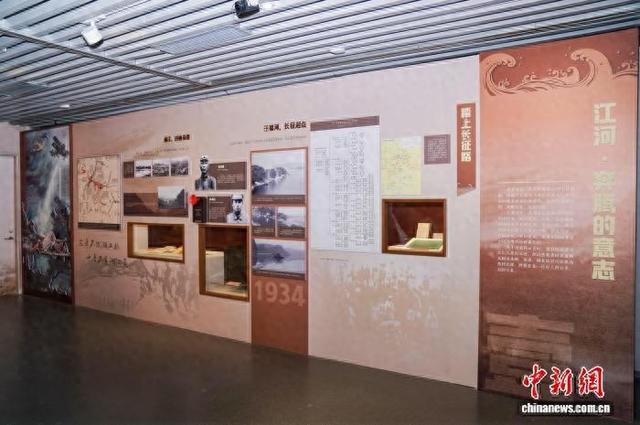
万水千山只等闲
Xin Lang Cai Jing· 2026-02-09 07:58
Core Viewpoint - The exhibition titled "Mountains and Rivers Awaiting" commemorates the 90th anniversary of the victory of the Long March, showcasing the resilience and spirit of the Chinese Communist Party during challenging times [2][4]. Group 1: Exhibition Overview - The exhibition will run until May 2026 and aims to illustrate the historical significance and spirit of the Long March through three main sections: "Rivers: The Will to Advance," "Grasslands: Hope in Ambush," and "Mountains: The Unyielding Monument" [2]. - It combines thematic and chronological narratives, using geographical markers such as rivers, mountains, and grasslands as storytelling elements [2]. Group 2: Artifacts and Narratives - The exhibition features significant artifacts from the Long March, including works by Chen Yun, Huang Zhen, and the song "Long March Suite," providing multiple perspectives on the historical journey [3]. - Notable artifacts include 20 items from the Zunyi Conference Museum, such as a clock from the conference room and a handwritten outline by Chen Yun, which is the only existing document regarding the Zunyi Conference [3]. Group 3: Interactive and Immersive Experience - The exhibition employs scene restoration, digital projections, and sound installations to create an immersive viewing experience, enhancing audience engagement through interactive displays [3]. - Features like the three-dimensional flip-through of "The Journey West" and sound installations of "Long March Suite" are designed to deepen audience participation [3]. Group 4: Collaborative Efforts - The exhibition represents a significant collaboration between the Shanghai and Zunyi museums, emphasizing the continuity of the great founding spirit of the Party and the Zunyi Conference spirit [4]. - It aims to promote the sharing and mutual learning of red resources, encouraging the new generation to draw strength from the Long March spirit [4].
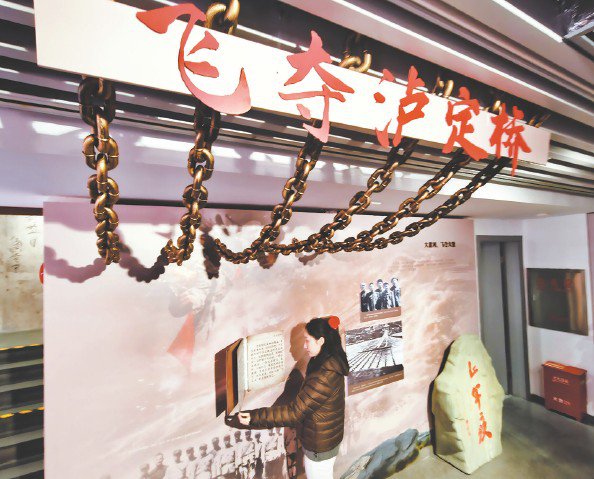
各地多形式纪念遵义会议召开91周年
Xin Lang Cai Jing· 2026-01-15 13:17
Group 1 - The 91st anniversary of the Zunyi Conference is being commemorated with various activities across the country to promote the spirit of the conference and draw inspiration for progress [1] - The Zunyi Conference Memorial Museum has launched an "immersive ideological and political class" featuring thematic presentations and situational dramas to make history more accessible and engaging [3] - A themed art exhibition titled "Zunyi and the History of the Chinese Revolution" has opened at the Zunyi Art Museum, showcasing nearly a hundred outstanding works across five categories, including Chinese painting and oil painting [5][8] Group 2 - A student from Hunan University expressed excitement after attending the thematic presentation and situational drama, emphasizing the importance of ideals and practical engagement for the youth of the new era [6] - The six-part micro-documentary series "Starting from Zunyi," produced by the Guizhou Provincial Party Committee's Publicity Department and Guizhou Radio and Television Station, has begun airing on the Dongjing multimedia platform [10] - The collaboration between the China National Academy of Painting and the Zunyi Art Museum aims to bring national-level artistic resources to this historically significant area [11]
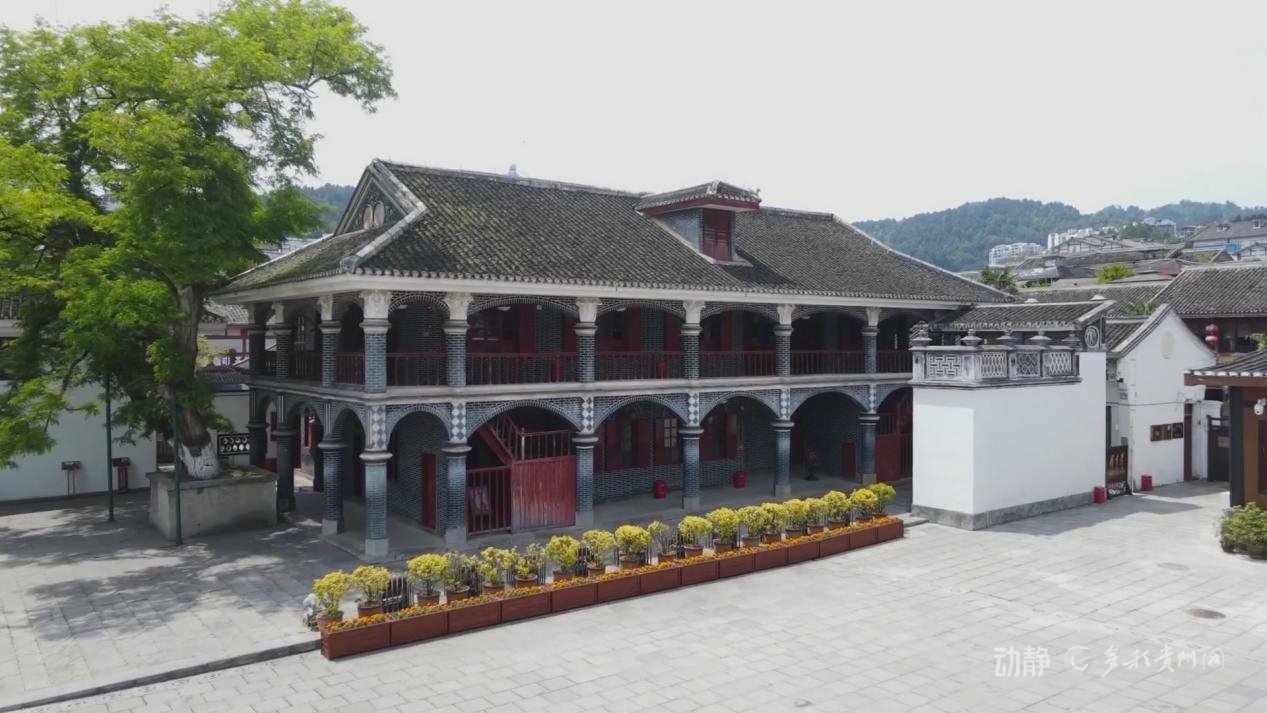
程斯宇:手绘板书为青春画出人生“导航图”
Zhong Guo Qing Nian Bao· 2025-11-23 00:18
Core Points - The article highlights the innovative teaching methods of Cheng Siyu, a young teacher at Tianjin University, who has gained popularity for his engaging political education classes that connect historical events with contemporary issues [1][2][6] - Cheng's approach emphasizes the importance of understanding historical context and strategic wisdom, particularly through the lens of the Red Army's historical maneuvers, which resonate with students facing modern challenges [2][6] Teaching Methodology - Cheng Siyu utilizes hand-drawn blackboard illustrations to enhance students' understanding of complex military strategies, making traditional teaching methods appealing and effective [2][3] - The content selection for his classes is based on three criteria: ability to spark interest, necessity for logical reasoning, and significance for deep memory [3] - He encourages students to engage with historical narratives critically, transforming knowledge into practical wisdom applicable to their lives [3][4] Student Engagement - The "Four Crossings of the Red River" lesson has become particularly popular, attracting students who seek deeper insights into their personal and academic struggles [1][2][7] - Cheng addresses contemporary issues such as "involution" and work pressure, making the lessons relevant to students' current experiences [6][7] - Students report feeling inspired and more resilient in their academic pursuits after participating in Cheng's classes, indicating a positive impact on their personal development [6][7]
传承弘扬遵义会议精神 走好新时代长征路
Zhong Yang Ji Wei Guo Jia Jian Wei Wang Zhan· 2025-06-26 01:18
Group 1 - The core viewpoint emphasizes the significance of the Zunyi Conference in saving the party, the Red Army, and the Chinese revolution, highlighting its role as a model for self-revolution within the Communist Party of China [1][4] - The spirit of the Zunyi Conference, characterized by firm belief, adherence to truth, independence, and unity, is crucial for advancing the comprehensive and strict governance of the party in the new era [1][2] Group 2 - The article stresses the importance of maintaining the authority of the Party Central Committee and the principle of centralized leadership as fundamental political requirements, derived from the lessons of the Zunyi Conference [2][4] - It highlights the necessity of political supervision to ensure unified thought, will, and action across the party, reinforcing the concept of "two safeguards" [2][3] Group 3 - The need for lifelong theoretical training is emphasized, with a focus on integrating Xi Jinping's important speeches with the central government's decisions, ensuring a deep understanding of the essence of Xi Jinping's thought [3][5] - The article outlines a structured approach to political supervision, including specific areas of focus and the establishment of mechanisms to address corruption and misconduct [3][5] Group 4 - The article discusses the importance of self-revolution within the party, recognizing corruption as a significant threat and advocating for a sustained anti-corruption campaign [4][6] - It calls for a comprehensive approach to tackling corruption, emphasizing the need for a strong deterrent effect through case handling and collaboration with various departments [5][6] Group 5 - The article highlights the necessity of placing the people at the center of governance, reflecting on the historical context of the Red Army's actions during the Zunyi period [6][7] - It advocates for a focus on benefiting the people through effective governance and addressing their needs, ensuring that the party remains rooted in the support of the populace [6][7]