伟大建党精神

Search documents
再现长征“万水千山只等闲” 中共一大纪念馆与遵义会议纪念馆联合主办专题展开幕
Jie Fang Ri Bao· 2026-02-10 00:57
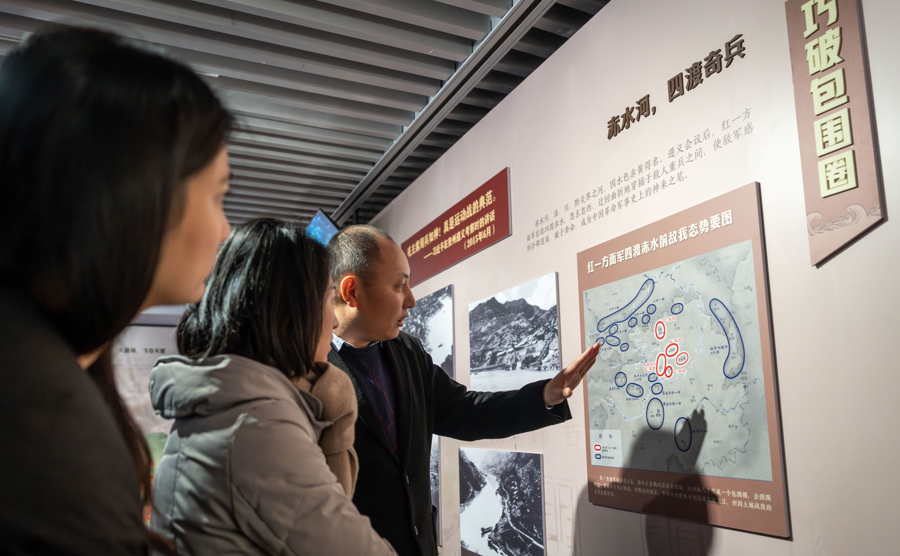
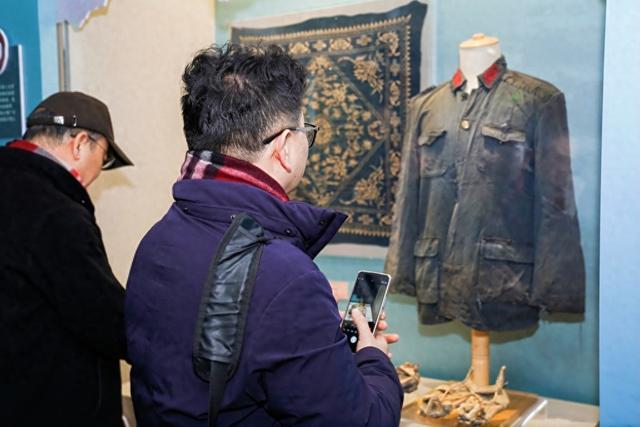
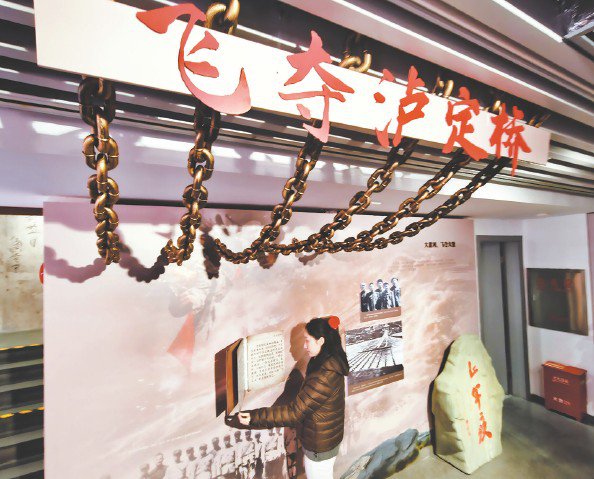
Core Viewpoint - The exhibition commemorating the 90th anniversary of the victory of the Long March showcases the historical significance and spirit of the Chinese Communist Party during challenging times, encouraging visitors to "stay true to the original aspiration and continue moving forward" on the new Long March [1][2]. Group 1: Exhibition Overview - The exhibition is titled "A Thousand Rivers and Mountains Awaiting Leisure" and is held at the Memorial Hall of the First National Congress of the Communist Party of China [1]. - It features a main narrative focused on the battle history of the Chinese Workers' and Peasants' Red Army, divided into three sections: "Rivers: The Will to Surge," "Grasslands: The Hope to Hide," and "Mountains: The Unyielding Monument" [1]. - The exhibition is co-hosted by the Memorial Hall of the First National Congress and the Memorial Hall of the Zunyi Conference, utilizing artifacts from both institutions [1]. Group 2: Artifacts and Themes - The exhibition includes 20 artifacts from the Zunyi Conference Memorial Hall, such as a clock from the conference venue, "Red Star" newspaper, military water bottles, document boxes, and oil lamps, which reflect the Red Army's spirit of determination and discipline [1]. - Narrative elements include works by Chen Yun, Huang Zhen, and Xiao Hua, which provide a storytelling framework for the exhibition [1]. Group 3: Interactive Experience - The exhibition emphasizes atmosphere creation and interactive experiences, employing techniques like scene restoration, digital projection, and sound effects to create an immersive viewing space [2]. - The first floor features a physical sand table combined with dynamic projections to vividly present the hardships faced by the Red Army during the Long March [2]. - The second floor includes a special area titled "Red in Art: The Long March," showcasing five artworks that encapsulate the spirit of the Long March [2]. Group 4: Duration - The exhibition is set to run until May 2026 [2].

“万水千山只等闲——纪念中国工农红军长征胜利90周年专题展”在上海开幕
Xin Lang Cai Jing· 2026-02-09 22:25
Core Viewpoint - The exhibition "Ten Thousand Rivers and Mountains Await" commemorates the 90th anniversary of the victory of the Long March, aiming to promote the spirit of the Communist Party and the Long March [1] Group 1: Exhibition Overview - The exhibition is organized by the Shanghai Municipal Committee of the Communist Party and the Guizhou Provincial Committee of the Communist Party, with support from the Shanghai Municipal Party History Research Office and co-hosted by the Memorial Hall of the First National Congress of the Communist Party of China and the Zunyi Conference Memorial Hall [1] - It showcases the historical significance of the Long March through various artifacts, precious documents, and innovative formats, illustrating the perseverance and victories of the Communist Party during challenging times [1] Group 2: Thematic Structure - The exhibition is divided into three main sections: "Rivers: The Flowing Will," "Grasslands: The Hidden Hope," and "Mountains: The Unyielding Monument," using the landscape as a narrative thread [2] - It incorporates narratives from Chen Yun's "Notes from the Western Expedition," Huang Zhen's "Western Expedition Comics," and the "Long March Song," providing diverse perspectives from observers, recorders, and participants [2] Group 3: Artifacts and Interactive Experience - The exhibition features 20 artifacts borrowed from the Zunyi Conference Memorial Hall, including a clock from the conference room, "Red Star" newspaper, military water bottles, document boxes, and oil lamps, reflecting the discipline, camaraderie, patriotism, and determination of the Red Army [2] - It emphasizes immersive experiences through scene restoration, digital projections, and sound effects, creating an engaging exhibition space [2] Group 4: Duration and Events - The exhibition will be open until May 2026, and a signing ceremony for the touring exhibition "The Red Army is Not Afraid of Difficult Expeditions" was held on the same day [2]
纪念长征胜利90周年专题展在中共一大纪念馆开幕
Xin Lang Cai Jing· 2026-02-09 12:03
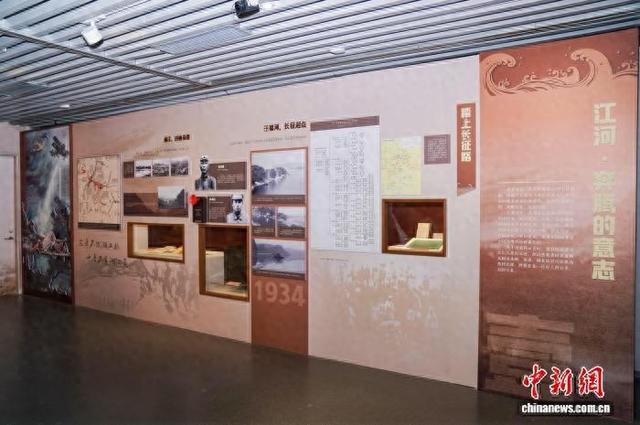
Core Viewpoint - The exhibition titled "Mountains and Rivers Awaiting the Ordinary - Commemorating the 90th Anniversary of the Victory of the Long March" opened on February 9, 2026, at the Memorial Hall of the First National Congress of the Communist Party of China, showcasing the historical significance and spirit of the Long March through various exhibits and narratives [1][3]. Group 1: Exhibition Overview - The exhibition is guided by the Shanghai Municipal Committee of the Communist Party of China and the Guizhou Provincial Committee, co-hosted by the Memorial Hall of the First National Congress and the Zunyi Conference Memorial Hall [1]. - It features three main sections: "Rivers - The Will to Advance," "Grasslands - The Hope of Survival," and "Mountains - The Indomitable Monument," which narrate the Long March's journey through significant battles and challenges [3]. Group 2: Thematic Sections - The first section, "Rivers - The Will to Advance," focuses on key battles such as the Battle of Xiangjiang and the crossing of the Wu River, highlighting the strategic wisdom of the Red Army in overcoming obstacles [3]. - The second section, "Grasslands - The Hope of Survival," depicts the Red Army's arduous journey through the "life-threatening" grasslands, showcasing their resilience and commitment to ideals under extreme conditions [3]. - The third section, "Mountains - The Indomitable Monument," illustrates the Red Army's struggles through treacherous terrains, ultimately leading to their victory in northern Shaanxi [3]. Group 3: Exhibits and Interactive Experience - The exhibition relies on artifacts from the two museums and incorporates narratives from works such as Chen Yun's "Notes from the Westward Journey" and Huang Zhen's "Westward Comics," providing multiple perspectives on the Long March [4]. - It emphasizes immersive experiences through scene recreations, digital projections, and sound installations, creating an engaging environment for visitors [6]. - The first floor features a physical sand table combined with dynamic projections to depict the hardships faced during the Long March, while the second floor showcases various artworks related to the theme [6].
纪念中国工农红军长征胜利90周年专题展在上海揭幕
Xin Lang Cai Jing· 2026-02-09 08:56
Core Viewpoint - The exhibition titled "A Thousand Rivers and Mountains Await" commemorates the 90th anniversary of the victory of the Long March, showcasing the resilience and spirit of the Chinese Communist Party (CCP) during challenging times [1]. Group 1: Exhibition Overview - The exhibition is held at the Memorial Hall of the First National Congress of the Communist Party of China and features rich artifacts, precious documents, and innovative formats to illustrate the CCP's journey through adversity [1]. - It includes three narrative threads: Chen Yun's "Notes from the Westward March," Huang Zhen's "Westward Cartoons," and the "Long March Song" lyrics by Xiao Hua, providing diverse perspectives on historical events [1]. - Key artifacts on display include 20 items from the Zunyi Conference Memorial Hall, such as a clock from the conference room, "Red Star" newspaper, and military supplies, reflecting the discipline and patriotism of the Red Army [1]. Group 2: Thematic Structure - The exhibition is divided into three main sections: "Rivers and Mountains: The Will to Advance," "Grasslands: The Hope to Survive," and "Heavy Mountains: The Indomitable Monument," with a focus on the theme of mountains and rivers [2]. - It emphasizes immersive experiences through scene restoration, digital projections, and sound installations, creating an engaging viewing environment [2]. - The first floor features a physical sand table combined with dynamic projections to vividly present the hardships faced during the Long March [2]. Group 3: Collaborative Efforts - The exhibition is a significant outcome of collaboration between the Shanghai and Zunyi memorials, highlighting the continuity of the great founding spirit of the CCP and the spirit of the Zunyi Conference [5]. - It aims to promote the sharing and mutual learning of red resources, encouraging the younger generation to draw strength from the Long March spirit for future endeavors [5]. - The exhibition is guided by the Shanghai Municipal Party Committee Propaganda Department and the Guizhou Provincial Party Committee Propaganda Department, and will run until May 2026 [5].
万水千山只等闲
Xin Lang Cai Jing· 2026-02-09 07:58
Core Viewpoint - The exhibition titled "Mountains and Rivers Awaiting" commemorates the 90th anniversary of the victory of the Long March, showcasing the resilience and spirit of the Chinese Communist Party during challenging times [2][4]. Group 1: Exhibition Overview - The exhibition will run until May 2026 and aims to illustrate the historical significance and spirit of the Long March through three main sections: "Rivers: The Will to Advance," "Grasslands: Hope in Ambush," and "Mountains: The Unyielding Monument" [2]. - It combines thematic and chronological narratives, using geographical markers such as rivers, mountains, and grasslands as storytelling elements [2]. Group 2: Artifacts and Narratives - The exhibition features significant artifacts from the Long March, including works by Chen Yun, Huang Zhen, and the song "Long March Suite," providing multiple perspectives on the historical journey [3]. - Notable artifacts include 20 items from the Zunyi Conference Museum, such as a clock from the conference room and a handwritten outline by Chen Yun, which is the only existing document regarding the Zunyi Conference [3]. Group 3: Interactive and Immersive Experience - The exhibition employs scene restoration, digital projections, and sound installations to create an immersive viewing experience, enhancing audience engagement through interactive displays [3]. - Features like the three-dimensional flip-through of "The Journey West" and sound installations of "Long March Suite" are designed to deepen audience participation [3]. Group 4: Collaborative Efforts - The exhibition represents a significant collaboration between the Shanghai and Zunyi museums, emphasizing the continuity of the great founding spirit of the Party and the Zunyi Conference spirit [4]. - It aims to promote the sharing and mutual learning of red resources, encouraging the new generation to draw strength from the Long March spirit [4].
69件(套)文物再现“两弹一星”辉煌
Xin Lang Cai Jing· 2026-01-10 21:37
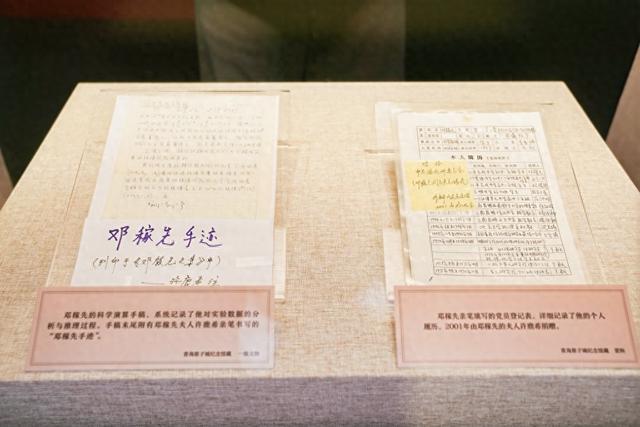
Group 1 - The exhibition titled "Forging Dreams in Jinyintan: The Glorious Path of China's 'Two Bombs, One Satellite'" opened on January 7, showcasing 69 selected cultural relics related to China's nuclear industry and space achievements [1] - The exhibition features significant artifacts such as manuscripts by Yu Min and the first atomic bomb's program timer, highlighting the historical development of China's nuclear industry [1] - The first floor of the exhibition recreates the 1958 scene at Jinyintan, where the initial steps of China's nuclear industry were taken, emphasizing the foundational efforts of early builders [1] Group 2 - The "Two Bombs, One Satellite" spirit is described as a vivid representation of the great spirit of the Communist Party during a specific historical period, linking the origins of this spirit to the foundational efforts in Shanghai and Jinyintan [2] - The collaboration between the two venues aims to promote the transmission and promotion of both the great spirit of the Party and the "Two Bombs, One Satellite" spirit [2]
“两弹一星”辉煌之路专题展开幕,亲历者讲述在金银滩的奋斗岁月
Xin Lang Cai Jing· 2026-01-07 12:04
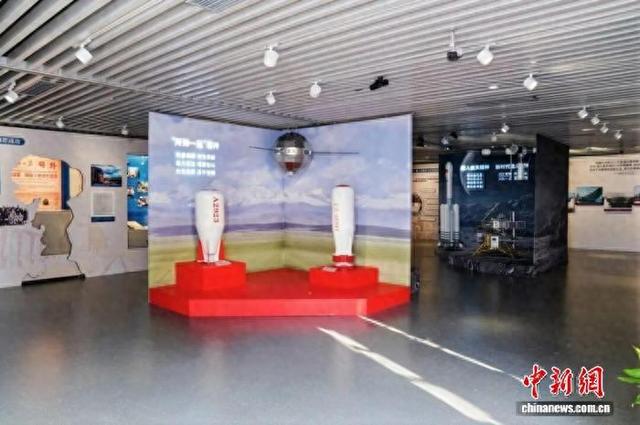
Core Viewpoint - The exhibition "Forging Dreams at Jinyintan: The Glorious Path of China's 'Two Bombs, One Satellite'" highlights the historical significance and achievements of China's nuclear and space programs, showcasing the dedication and sacrifices of the scientists involved in these endeavors [1][12]. Group 1: Exhibition Overview - The exhibition is organized by the Propaganda Department of the CPC Haibei Prefecture Committee, the Memorial Hall of the First National Congress of the Communist Party of China, and the Qinghai Atomic City Memorial Hall [1]. - It features 69 selected cultural relics, including manuscripts by Yu Min, resumes of Deng Jiaxian, and artifacts from the first atomic bomb explosion [4][6]. Group 2: Historical Context - The exhibition focuses on the Jinyintan area in Haibei Prefecture, Qinghai Province, where significant developments in China's nuclear program took place [3][4]. - It recounts the arduous journey of scientists and technicians who worked under extreme conditions at an altitude of 3,300 meters, emphasizing their commitment and bravery [3][6]. Group 3: Thematic Structure - The exhibition is divided into four sections: "Mission Call," "Climbing New Heights," "Great Achievements," and "Building Dreams for Revival," which collectively narrate the evolution of China's "Two Bombs, One Satellite" initiative [6]. - It illustrates the spirit of innovation and perseverance embodied by pioneers like Deng Jiaxian, Wang Ganchang, and Guo Yonghuai [7]. Group 4: Visual Representation - The first floor of the exhibition recreates the scene of General Li Jue leading a team to Jinyintan in August 1958, marking the beginning of the 221 Base construction [9]. - The second floor showcases models of China's first atomic bomb, hydrogen bomb, and the "Dongfanghong-1" satellite, alongside significant achievements in space exploration [9]. Group 5: Significance and Legacy - The exhibition serves as a spiritual dialogue across time and space, connecting the origins of the CPC's founding spirit to the development of the "Two Bombs, One Satellite" spirit [10]. - It aims to inspire visitors by highlighting the historical struggles and achievements of the scientists, reflecting a deep sense of national pride and dedication [10].
“铸梦金银滩:中国‘两弹一星’辉煌之路”专题展在沪开幕
Xin Lang Cai Jing· 2026-01-07 12:04
Core Viewpoint - The exhibition "Forging Dreams at Jinyintan: China's Glorious Path of 'Two Bombs, One Satellite'" officially opened, showcasing the achievements and spirit of China's nuclear development and the contributions of key scientists in this field [1][3]. Group 1: Exhibition Overview - The exhibition is organized by the Propaganda Department of the CPC Haibei Prefecture Committee, the Memorial Hall of the First National Congress of the Communist Party of China, and the Qinghai Atomic City Memorial Hall [1]. - It features 69 selected cultural relics, including manuscripts by Yu Min, resumes of Deng Jiaxian, and historical documents reflecting the development of China's nuclear industry [3]. Group 2: Thematic Structure - The exhibition is divided into four sections: "Mission Call," "Climbing New Heights," "Great Achievements," and "Building Dreams for Revival," highlighting the journey of China's nuclear program from difficult decisions to significant accomplishments [3]. - It emphasizes the contributions of pioneers like Deng Jiaxian, Wang Ganchang, and Guo Yonghuai in successfully developing China's first atomic and hydrogen bombs [3]. Group 3: Cultural Significance - The exhibition aims to convey the profound meaning of the great spirit of the Communist Party and the "Two Bombs, One Satellite" spirit, showcasing their relevance and value in contemporary times [3][4]. - The event also includes a signing of a cooperative agreement between the two museums to enhance collaboration in areas such as cultural relics, exhibition planning, and educational outreach [4].
四川扎实推进习近平总书记“七一”重要讲话精神宣讲工作 凝聚再出发的伟大精神合力
Si Chuan Ri Bao· 2026-01-04 03:58
Core Viewpoint - The article emphasizes the widespread efforts in Sichuan to promote and implement the spirit of Xi Jinping's important speech on July 1, which serves as a guiding principle for the Communist Party of China and aims to unify thoughts and actions among party members and the public [2][3][6]. Group 1: Promotion and Implementation - Various levels of Sichuan's government are actively conducting meetings to ensure the thorough dissemination and understanding of Xi Jinping's speech, highlighting its significance and core requirements [2][3]. - The provincial leadership encourages grassroots engagement, with local leaders and teams interacting with community members to align their thoughts and actions with the speech's spirit [2][3]. Group 2: Diverse Methods of Dissemination - Sichuan employs multiple formats for the promotion of the speech, including community-based events and thematic activities that make the content accessible to the public [4][5]. - Special teams have been formed to deliver tailored messages to different demographics, ensuring that the teachings reach various sectors, including schools, enterprises, and rural areas [4][5]. Group 3: Engaging the Youth - Initiatives targeting youth are being implemented, such as the formation of a youth red storytelling team to instill values of patriotism and socialism among younger generations [6][7]. - Educational activities are being organized to leverage historical resources and inspire young people to understand and appreciate the revolutionary history of the Communist Party [6][7].
伟大建党精神的生动诠释(书里书外)
Ren Min Ri Bao· 2025-10-09 22:22
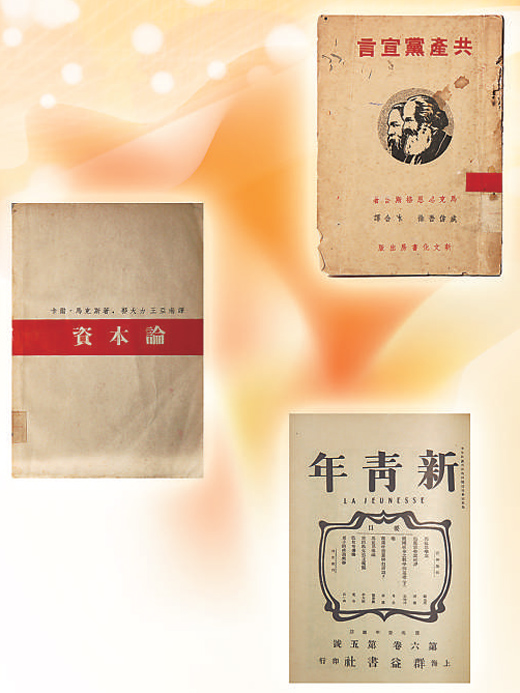
Core Viewpoint - The article discusses the significance of the integration of Marxism with Chinese reality and traditional culture, highlighting the efforts of early Chinese communists in spreading Marxist literature during critical historical moments [2][3][4][5][6]. Group 1: Historical Context - The article reflects on the challenges faced by early communists like Li Dazhao and Chen Duxiu in promoting Marxism in China, particularly during the May Fourth Movement [2][3]. - It details the formation of various Marxist study groups and the early organization of the Communist Party in China, emphasizing the role of these groups in disseminating Marxist ideas [3][4]. Group 2: Key Figures and Contributions - Li Dazhao and Chen Duxiu are highlighted as pivotal figures in the establishment of Marxist thought in China, with their clandestine meetings aimed at discussing Marxist literature and party-building efforts [3][4]. - The article recounts the story of Guo Dali and Wang Yanan, who undertook the translation of Marx's "Capital" under dire circumstances, ultimately achieving the first complete Chinese edition during wartime [4][5]. Group 3: Translation Efforts - The article emphasizes the extensive translation efforts of Cheng Fangwu, who translated "The Communist Manifesto" multiple times across different historical periods, reflecting the evolving understanding of Marxist texts in China [5][6]. - It notes the challenges faced in translation due to limited resources and the dedication of translators who contributed to the dissemination of Marxist literature in China [5][6].