
酒店下沉市场布局

Search documents
求同不忘存异,酒店行业站在分化转型的十字路口上|行业风向标
Xin Lang Cai Jing· 2026-01-05 10:27
Core Insights - The tourism and hospitality industry in China is experiencing a surge in travel demand, with hotel bookings in popular cities tripling during the New Year holiday period in 2026 compared to the previous year [2] - Despite the increase in travel interest, the hotel industry is facing significant challenges, including declining revenues and profits, with Beijing's accommodation sector reporting a 67% drop in total profits in the first half of 2025 [2][3] Industry Performance - The hotel industry has seen a decline in key performance metrics, with average daily rates (ADR) and revenue per available room (RevPAR) decreasing since 2024, reflecting a broader operational struggle [3] - Major hotel chains like Atour and Huazhu have reported mixed results, with Atour achieving a 9.2% revenue growth but a 26.8% drop in net profit, while Shoulv Hotel experienced a slight revenue decline but a modest profit increase [4] - Jinjiang Hotel, facing intensified competition and transformation costs, is the only major player among the top three to report declines in both revenue and net profit [5] Market Dynamics - Despite the overall pressure, some brands are pursuing aggressive expansion strategies, with Atour opening 471 new hotels in 2024, marking a 63% increase year-on-year [9] - Huazhu also reported a record number of new openings, with 749 hotels launched in the third quarter of 2025, leveraging a light-asset model to facilitate growth [11] Retail Ventures - The hotel industry is exploring retail opportunities, with Huazhu launching a memory pillow product and Atour achieving significant sales in its retail segment, indicating a shift towards diversifying revenue streams [15][20] - Atour's retail business saw a GMV of 2.592 billion in 2024, a 127.7% increase from the previous year, highlighting the potential of retail as a growth area [20] Market Expansion Strategies - Major hotel groups are focusing on expanding into lower-tier markets, with plans to double their presence in these areas over the next 5 to 8 years [26] - The trend of expanding into Southeast Asia is also gaining momentum, with Jinjiang Hotel and Atour both initiating overseas expansion plans [28][29]

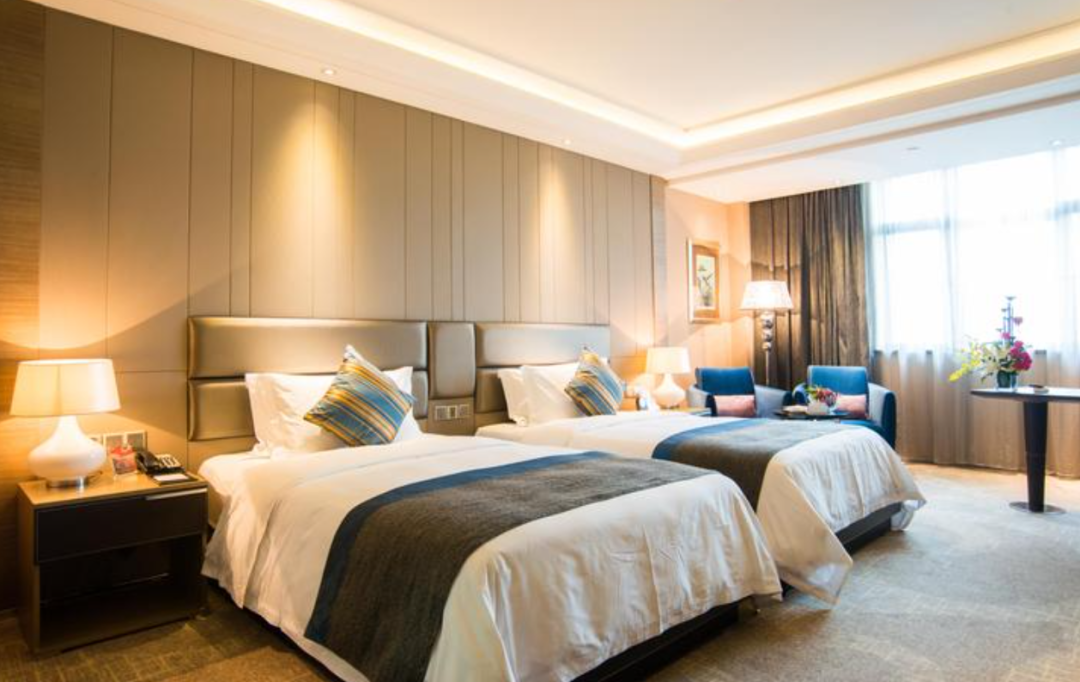
凤悦酒店及度假村总裁张勇:公司三五年内不考虑被并购,可能会引入战略投资人
Zhong Guo Jing Ying Bao· 2025-04-24 13:07
Core Viewpoint - The acquisition of Wanda Hotel Management by Tongcheng Travel has drawn attention to the development prospects of "real estate-based" hotel groups in the industry [1][2]. Company Overview - Fengyue Hotel and Resort, which started as a hotel division of Country Garden Group, became an independent operation in April 2020 and ranks 15th in the 2024 list of China's top 50 hotel groups, with 231 operating stores and 59,298 rooms by the end of 2024 [1][2]. - Fengyue Hotel and Resort has established several proprietary brands, including Fengyue, Fengyi, and Phoenix, and has strategic partnerships with Hilton and Accor for brand development in China [1]. Market Dynamics - In a market characterized by oversupply, the focus is on creating value differentiation through enhanced core offerings in sleep and dining services, as well as integrating local culture into the hotel experience [2][6]. - The hotel industry has seen rapid growth among "real estate-based" hotel groups over the past 30 years, but their development paths have diverged significantly [2][6]. Recent Developments - Wanda Hotel Management, acquired by Tongcheng Travel, is a light-asset segment under Wanda Hotel Development, which reported a revenue of HKD 890 million for 2024 and operates 204 hotels with over 40,200 rooms [2][3]. - Greenland Holdings has also engaged in similar transactions, transferring a 52% stake in Shanghai Greenland Hotel Management to Mingyu Business Travel for CNY 624 million, indicating a trend of consolidation among real estate-based hotel groups [4]. Future Strategies - Fengyue Hotel and Resort is open to attracting strategic investors and may consider acquiring regional hotel management companies to diversify its shareholder base [5][6]. - The company aims to enhance its performance in 2025 and is focusing on optimizing its standardized products to cater to local cultural differences, thereby improving customer experience [6].