金融代理人战争

Search documents
欧洲打算亮出最后底牌,动用俄罗斯海外资产,可让乌克兰再撑五年
Sou Hu Cai Jing· 2025-10-07 18:55
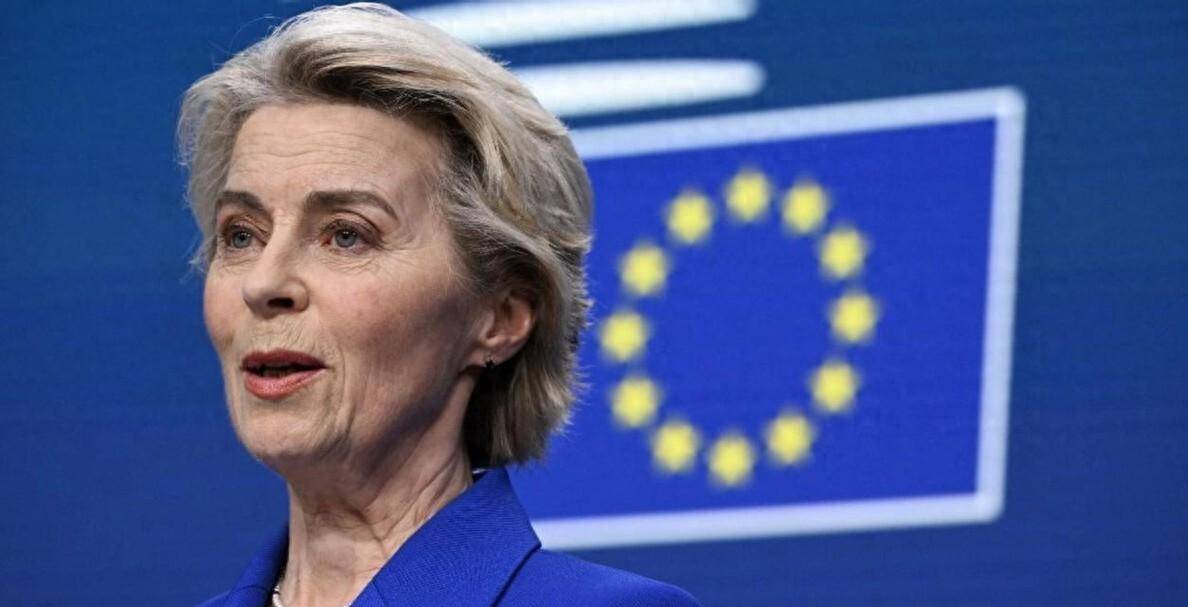
Core Viewpoint - The European Union is planning to utilize the frozen Russian assets, amounting to €210 billion, to support Ukraine's ongoing resistance against Russia, effectively turning these assets into a financial lifeline for Ukraine over the next five years [2][10]. Group 1: Initial Actions - The initial phase involves the EU intercepting the annual interest income generated from the frozen Russian assets, which amounts to several billion euros, to fund Ukraine's infrastructure rebuilding and social support [3]. - Moscow is left powerless as its accounts are locked, unable to access or utilize these funds [3]. Group 2: Debt Issuance Strategy - The EU plans to issue €140 billion in "reconstruction bonds" backed by the frozen assets, with the intention of using the funds to procure military supplies and support government salaries in Ukraine [4]. - This strategy effectively places the financial burden of the war on Russia, as the debt will be recorded against Russian assets [4]. Group 3: Legal and Political Implications - The process raises significant legal questions regarding whether the operation constitutes a "guarantee" or "de facto confiscation," with potential repercussions for European nations if Russia wins a legal challenge [7]. - Concerns have been voiced by smaller nations like Belgium and Luxembourg about the precedent this sets for future financial interactions and the potential risks involved [5][7]. Group 4: G7 Sanctions and Financial Dynamics - The G7 has intensified sanctions against Russia, targeting key revenue streams such as oil and military supply chains, further constraining Russia's financial capabilities [8][10]. - The design of this financial strategy creates a closed loop where frozen assets continuously fund Ukraine, alleviating the need for direct financial support from European taxpayers [10]. Group 5: Market Reactions and Future Outlook - The issuance of the €140 billion bonds raises questions about market acceptance and the potential risks for investors if Russia refuses to acknowledge the debt [11]. - The outcome of this financial maneuvering could either lead to a historic case of financial strategy or result in a crisis for Europe if Russia retaliates against the asset freeze [11].

欧洲准备打出最后王牌,动用俄罗斯海外资产,够乌克兰再战五年
Sou Hu Cai Jing· 2025-10-04 00:03
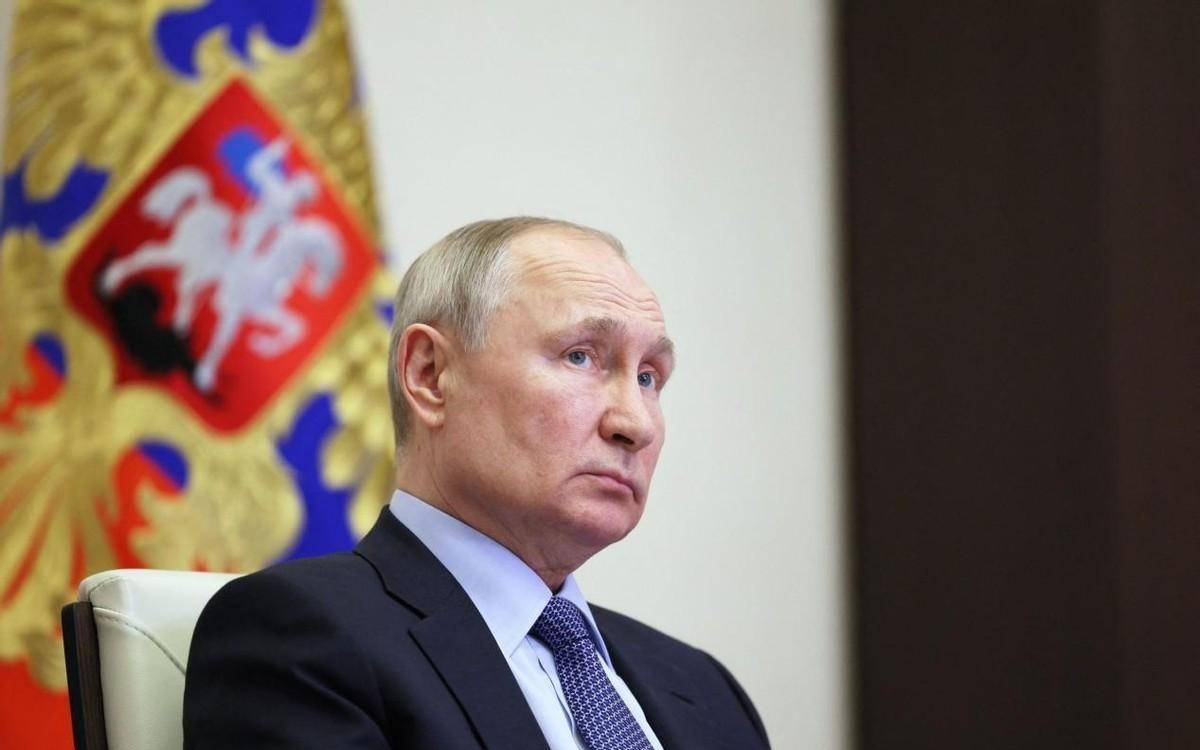
Core Viewpoint - Europe is planning to utilize frozen Russian overseas assets to finance Ukraine's war efforts, potentially allowing Ukraine to sustain its military operations for an additional five years through a complex financial strategy [2][4]. Group 1: Financial Strategy - The plan involves using €210 billion in frozen Russian assets as collateral to issue "Ukrainian Reconstruction Bonds," which could unlock up to €140 billion in loans for Ukraine [4]. - The loans will be specifically allocated for military supplies, infrastructure repairs, and government salaries, ensuring that the funds are used for essential wartime needs [4]. - A unique aspect of this strategy is that if Russia is defeated and required to pay war reparations, those payments will be used to repay the loans, effectively making Russia finance its own opposition [4][14]. Group 2: Shift in European Stance - Initially, European nations were hesitant to touch these frozen assets due to concerns over the principle of sovereign asset inviolability, fearing it could undermine global financial trust [5][6]. - The urgency of Ukraine's financial needs and the unpredictability of U.S. aid have pressured Europe to find a more sustainable funding solution, leading to a shift in strategy [9][10]. - The approach has evolved from utilizing the income generated by frozen assets to now considering the principal amount as collateral, marking a significant legal and ethical shift [10]. Group 3: Support and Opposition - The G7 countries are reportedly in favor of this plan, viewing it as a necessary response to Russia's illegal actions in Ukraine [11]. - However, Belgium and Luxembourg have expressed concerns about the legal implications and potential risks to their financial systems, emphasizing the need for judicial validation before any action is taken [13]. - Legal experts warn that this strategy could be interpreted as a form of expropriation, which may lead to significant legal challenges and financial repercussions for Europe [13]. Group 4: Potential Implications - If successful, this plan could redefine the rules of international finance, making a nation's overseas assets vulnerable if deemed to be engaged in aggression, thus creating a long-term financial constraint on Russia [14][16]. - For Ukraine, this funding could provide a crucial lifeline, allowing it to maintain military operations and leverage in negotiations, effectively extending its capacity to resist [14]. - On a global scale, this could set a dangerous precedent, undermining the principle of sovereign asset protection and potentially leading to a fragmented financial system as countries seek to safeguard their assets [16].