主权资产豁免原则

Search documents
欧洲准备打出最后王牌,动用俄罗斯海外资产,够乌克兰再战五年
Sou Hu Cai Jing· 2025-10-04 00:03
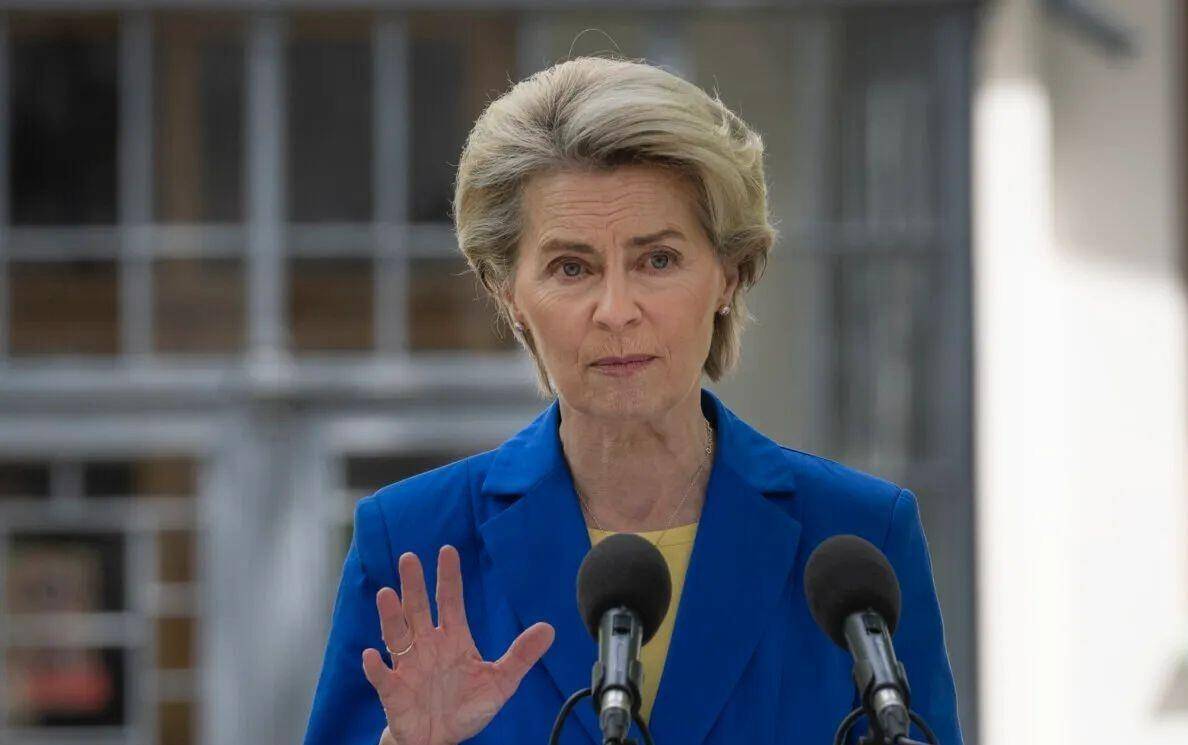
Core Viewpoint - Europe is planning to utilize frozen Russian overseas assets to finance Ukraine's war efforts, potentially allowing Ukraine to sustain its military operations for an additional five years through a complex financial strategy [2][4]. Group 1: Financial Strategy - The plan involves using €210 billion in frozen Russian assets as collateral to issue "Ukrainian Reconstruction Bonds," which could unlock up to €140 billion in loans for Ukraine [4]. - The loans will be specifically allocated for military supplies, infrastructure repairs, and government salaries, ensuring that the funds are used for essential wartime needs [4]. - A unique aspect of this strategy is that if Russia is defeated and required to pay war reparations, those payments will be used to repay the loans, effectively making Russia finance its own opposition [4][14]. Group 2: Shift in European Stance - Initially, European nations were hesitant to touch these frozen assets due to concerns over the principle of sovereign asset inviolability, fearing it could undermine global financial trust [5][6]. - The urgency of Ukraine's financial needs and the unpredictability of U.S. aid have pressured Europe to find a more sustainable funding solution, leading to a shift in strategy [9][10]. - The approach has evolved from utilizing the income generated by frozen assets to now considering the principal amount as collateral, marking a significant legal and ethical shift [10]. Group 3: Support and Opposition - The G7 countries are reportedly in favor of this plan, viewing it as a necessary response to Russia's illegal actions in Ukraine [11]. - However, Belgium and Luxembourg have expressed concerns about the legal implications and potential risks to their financial systems, emphasizing the need for judicial validation before any action is taken [13]. - Legal experts warn that this strategy could be interpreted as a form of expropriation, which may lead to significant legal challenges and financial repercussions for Europe [13]. Group 4: Potential Implications - If successful, this plan could redefine the rules of international finance, making a nation's overseas assets vulnerable if deemed to be engaged in aggression, thus creating a long-term financial constraint on Russia [14][16]. - For Ukraine, this funding could provide a crucial lifeline, allowing it to maintain military operations and leverage in negotiations, effectively extending its capacity to resist [14]. - On a global scale, this could set a dangerous precedent, undermining the principle of sovereign asset protection and potentially leading to a fragmented financial system as countries seek to safeguard their assets [16].

欧盟拿俄资产作抵押,启用2100亿欧元,帮乌克兰再打5年仗
Sou Hu Cai Jing· 2025-10-02 23:44
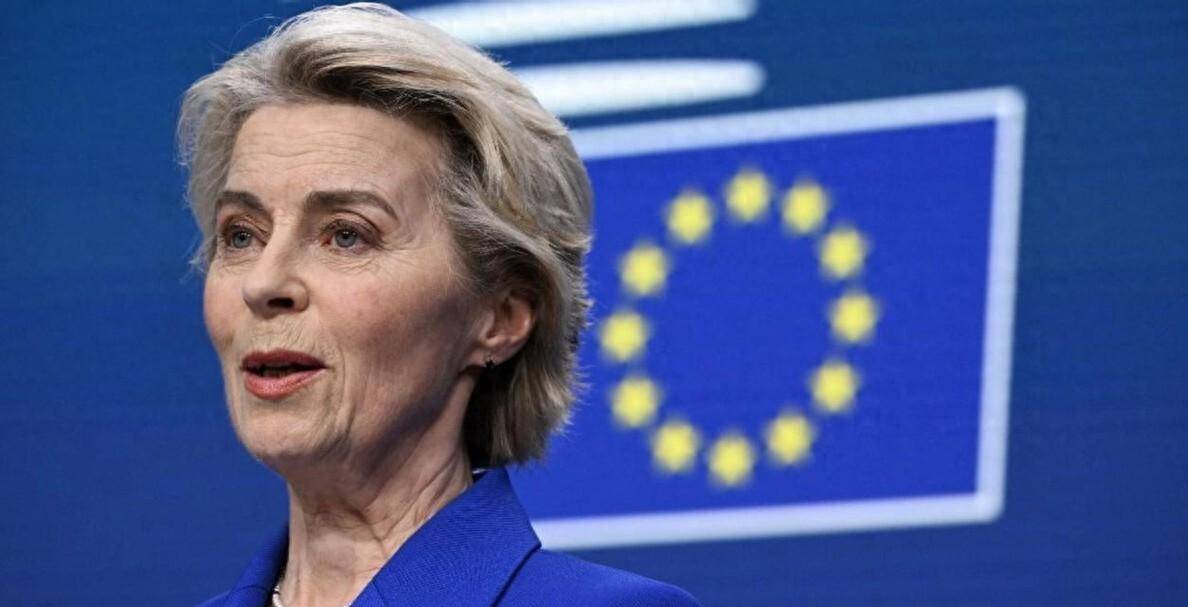
Core Viewpoint - The European Commission has announced a plan to convert frozen Russian central bank assets into a "war fund" for Ukraine, potentially amounting to €210 billion, which could serve as a lifeline for Ukraine over the next five years [1][3][4]. Financial Strategy - Following the escalation of the Russia-Ukraine conflict, Western nations quickly imposed financial sanctions on Russia, freezing approximately $300 billion in overseas assets, with over two-thirds, around €210 billion, held within the EU [4]. - Initially, Europe handled these funds with extreme caution, but as Ukraine's military expenses surged and financial support became uncertain, the EU began considering more aggressive strategies [5][6]. Loan Mechanism - The EU's proposed plan involves using the frozen €210 billion in Russian assets as collateral to issue bonds in the international capital market, aiming to raise up to €140 billion in long-term loans for Ukraine [8]. - This loan is characterized as a "compensation loan," meaning Ukraine will only need to repay it after Russia pays war reparations, effectively shifting the repayment responsibility to Russia [9]. Internal Disagreements - There are significant divisions within the EU regarding this plan, particularly from Belgium, which is concerned about potential legal ramifications and the impact on its status as an international financial center [10]. - Hungary has opposed the plan outright, while Luxembourg expresses caution, fearing threats to financial security. In contrast, Poland and the Baltic states advocate for more radical measures, including the confiscation of Russian assets [12]. Russian Response - The Kremlin has condemned the plan as "theft," warning of severe repercussions and has already taken countermeasures by freezing some Western assets in Russia [14]. Legal and Financial Implications - The plan raises concerns about undermining the principle of sovereign asset immunity, which has been a cornerstone of the modern international financial system [14]. - The EU's approach of framing the action as "temporary use rather than confiscation" attempts to mitigate these concerns, but risks significant financial liabilities if Russia pursues international arbitration [14]. Role of the United States - The U.S. has played a crucial role in pushing for the EU to utilize these frozen assets, despite holding fewer Russian assets itself [15][17]. - U.S. Treasury Secretary Janet Yellen has publicly supported using Russian assets to provide up to $50 billion in aid to Ukraine, highlighting the potential risks to Europe's financial credibility and the shift of international capital towards the U.S. market [17].