金融暗战

Search documents
美国用它救36万亿国债,中国却要严打,数字货币面纱下的真相
Sou Hu Cai Jing· 2025-12-08 06:54
Group 1 - The core conflict between the U.S. and China regarding cryptocurrency stems from differing financial strategies, with the U.S. viewing it as a means to address its national debt crisis, while China aims to protect its citizens from potential financial losses [1][9] - The emergence of Bitcoin in 2008 coincided with significant changes in global finance, particularly the end of Swiss banking secrecy, which led wealthy individuals to seek new ways to hide their assets, with Bitcoin's anonymity fulfilling this need [3][5] - The 2018 implementation of global anti-money laundering treaties increased scrutiny on financial transactions, driving illicit activities towards cryptocurrencies, which became a preferred method for money laundering due to their decentralized nature [5][9] Group 2 - The U.S. government has actively promoted cryptocurrency as a solution to its $36 trillion national debt, with regulations like the GENIUS Act requiring stablecoins to be backed by U.S. dollars or short-term U.S. Treasury bonds, effectively channeling speculative funds into U.S. debt [5][7] - During Trump's administration, the acceptance of cryptocurrencies was further legitimized, leading to significant investments in U.S. Treasury bonds by stablecoin issuers like Tether, which now holds nearly $120 billion in U.S. debt [7] - China's crackdown on cryptocurrency is driven by two main principles: maintaining the credibility of the RMB without reliance on speculative assets and protecting ordinary citizens from financial losses associated with cryptocurrency investments [9][11] Group 3 - The collapse of major cryptocurrency exchanges like FTX in 2022 highlighted the risks associated with the sector, leading to significant financial losses for millions of investors and reinforcing China's regulatory stance [9][11] - Hong Kong's introduction of a stablecoin regulatory framework aims to facilitate cross-border transactions while minimizing risks, showcasing China's strategic approach to digital currency innovation [11] - The differing approaches to cryptocurrency between the U.S. and China reflect a fundamental divide between prioritizing financial security and short-term speculative gains [11]


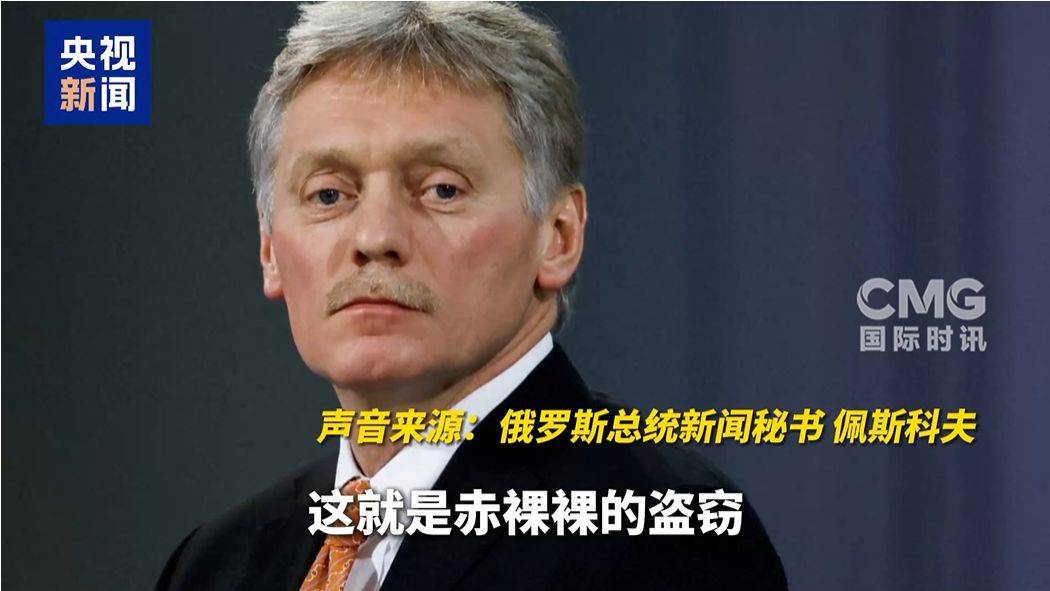
俄罗斯宣布:非法没收其在欧资产者将付出代价!
Sou Hu Cai Jing· 2025-10-02 01:06
Core Points - The European Union's seizure of Russian assets is viewed by Russia as blatant theft, with warnings that all involved parties will face consequences [1][3] - The EU's actions have led to internal discord, particularly regarding sanctions on Russian energy, with Hungary opposing gas embargoes due to domestic heating needs [3][4] - Russia's resilience against Western sanctions has been noted, with officials claiming that predictions of economic collapse have not materialized [3][4] Group 1 - The EU has provided €4 billion in aid to Ukraine, sourced from frozen Russian assets, which has intensified tensions between Russia and the EU [3] - The European Central Bank's president has cautioned that such asset seizures could undermine trust in the euro, raising concerns among EU member states [3] - The ongoing financial conflict is altering global dynamics, with emerging markets seeking alternatives to the dollar and euro to avoid similar asset freezes [4] Group 2 - Russia's warning specifically targets "involved families," suggesting that European politicians' overseas assets may be at risk [4] - The balance of power in this financial standoff resembles a high-stakes game, with both sides holding significant leverage over each other's investments [4] - The unprecedented nature of large-scale asset seizures raises questions about international law and the potential rewriting of rules governing state assets [3][4]