
金融监管体制改革

Search documents
国家金融监管总局 发布《行政许可实施程序规定》
Xin Lang Cai Jing· 2026-02-12 17:28
Core Points - The National Financial Regulatory Administration has revised and published the "Regulations on the Implementation Procedures for Administrative Licensing" to standardize the administrative licensing process for financial institutions, effective from March 1, 2026 [1][2] - The new regulations include seven chapters and fifty articles, covering general principles, application and acceptance, review, decision and delivery, exit procedures, legal responsibilities, and supplementary provisions [1][2] Summary by Sections - The regulations adapt to the needs of financial regulatory system reform and clarify a hierarchical and classified handling mechanism, further improving the administrative licensing workflow [2] - The publication of the regulations aims to enhance the standardization of administrative licensing work within the National Financial Regulatory Administration, enforce the responsibilities of financial institutions, and improve the efficiency of market access [2] - During the public consultation period, valuable feedback was received regarding the understanding of clauses, wording, and operational aspects, leading to refinements in certain provisions [2] - The National Financial Regulatory Administration plans to conduct training and guidance for administrative licensing applicants to improve the service level of market access work [2]
上级动态|国家金融监督管理总局发布《行政许可实施程序规定》
Xin Lang Cai Jing· 2026-01-26 11:09
Core Viewpoint - The Financial Regulatory Administration has revised and published the "Regulations on the Implementation Procedures for Administrative Licensing" to standardize the administrative licensing process for financial institutions, effective from March 1, 2026 [1][2] Group 1: Main Content of the Regulations - The regulations consist of seven chapters: general principles, application and acceptance, review, decision and delivery, exit procedures, legal responsibilities, and supplementary provisions, totaling fifty articles [1][2] - The regulations are designed to meet the needs of financial regulatory system reforms, clarifying a tiered and categorized handling mechanism, and further improving the administrative licensing workflow [1][2] Group 2: Impact and Future Actions - The publication of the regulations is expected to enhance the standardization of administrative licensing work within the regulatory system, enforce the responsibilities of financial institutions, and improve the efficiency of market access [1][2] - During the public consultation period, valuable feedback was received from the public regarding the understanding of clauses, wording, and operational aspects, leading to refinements in certain provisions [1][2] - The Financial Regulatory Administration plans to conduct training and guidance for administrative licensing applicants to improve the service level of market access work [1][2]
金融监管总局修订《行政许可实施程序规定》,自3月1日起施行
Bei Jing Shang Bao· 2026-01-21 12:27
Core Viewpoint - The National Financial Regulatory Administration has revised and released the "Administrative Licensing Implementation Procedures" to standardize the administrative licensing process for financial institutions, effective from March 1, 2026 [1] Group 1: Key Content of the Regulations - The regulations consist of seven chapters: general principles, application and acceptance, review, decision and delivery, exit procedures, legal responsibilities, and supplementary provisions, totaling fifty articles [1] - The administrative licensing matters include the establishment, change, and termination of financial institutions, business licensing, qualification licensing, and other licensing matters as stipulated by laws and regulations [1] - The regulations aim to enhance the standardization of administrative licensing work, enforce the responsibilities of financial institutions, and improve the efficiency of market access [1] Group 2: Public Feedback and Future Actions - During the public consultation period, the public provided valuable feedback on the clauses, wording, and operational aspects, which led to improvements in some clause expressions [2] - The regulatory body plans to conduct training and guidance for applicants to enhance the service level of market access work [2]
相当部分省份高风险中小机构“动态清零”!李云泽详解金融化险成效
Bei Jing Shang Bao· 2025-09-22 14:38
Core Viewpoint - The article highlights the significant progress made in financial risk prevention and resolution during the "14th Five-Year Plan" period, emphasizing the reduction of high-risk institutions and assets, as well as improvements in the banking sector's ability to support the real economy [1][3]. Financial Risk Management - The number of high-risk institutions and the scale of high-risk assets have been significantly reduced from their peak levels, with a notable portion of provinces achieving "dynamic zero" for high-risk small and medium-sized institutions [3][4]. - Regulatory authorities have implemented tailored reform plans for key regions, utilizing methods such as mergers, restructuring, and market exits to effectively manage risks [3][4]. - Key regulatory indicators such as non-performing loans, capital adequacy, and solvency are showing positive trends, indicating a healthy banking and insurance sector [3][4]. Support for the Real Economy - During the "14th Five-Year Plan," the banking and insurance sectors provided an additional 170 trillion yuan to the real economy through various financing methods [7]. - The annual growth rates for loans in key areas such as scientific research, manufacturing, and infrastructure are 27.2%, 21.7%, and 10.1%, respectively [7]. - The balance of inclusive loans for small and micro enterprises reached 36 trillion yuan, which is 2.3 times that of the end of the "13th Five-Year Plan," with interest rates decreasing by 2 percentage points [7]. Reform of Financial Institutions - The reform of rural financial institutions, particularly rural credit cooperatives, is a core focus, with over half of the provinces establishing provincial-level legal entities [5][6]. - The number of banking financial institutions in China decreased to 4,295 by the end of 2024, a reduction of 195 from 2023, reflecting the central government's push for consolidation among small banks [5][6]. - The ongoing reforms aim to enhance capital adequacy and risk management capabilities through mergers, capital increases, and improved governance structures [6][8]. Regulatory Enhancements - The financial regulatory framework has been significantly strengthened, with 171 regulations issued across banking, insurance, and asset management sectors over the past five years [9]. - The recent discussions on the revised draft of the Banking Supervision Law indicate a move towards a more comprehensive regulatory system that integrates macro and micro-prudential oversight [9]. - While stricter regulations may increase compliance costs in the short term, they are expected to foster a healthier and more sustainable financial environment in the long run [9].

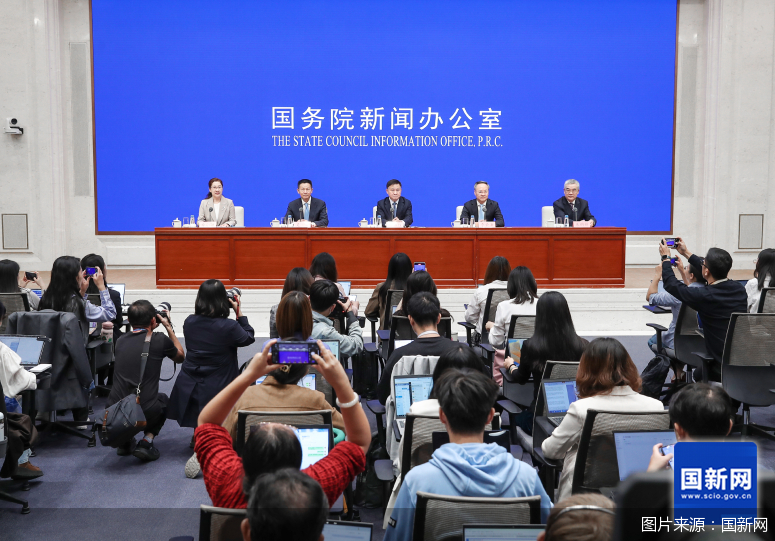
金融监管总局局长李云泽:监管制度与时俱进不断完善,5年来发布各类规制171件
Bei Jing Shang Bao· 2025-09-22 09:20
Core Viewpoint - The Chinese financial regulatory authority is committed to enhancing the financial regulatory system during the "14th Five-Year Plan" period, focusing on systemic reform and improvement of regulatory effectiveness [1][2][3] Group 1: Regulatory System Improvement - Significant progress has been made in revising important industry laws, with 171 regulatory documents issued over the past five years, establishing a comprehensive regulatory framework that integrates macro and micro prudential supervision [1] - The revision draft of the Banking Supervision Law has been discussed and approved by the State Council, while the Insurance Law revision is also advancing [1] Group 2: Enhanced Regulatory Effectiveness - The regulatory authority has implemented tiered supervision for 41 key institutions and delegated regulatory powers to 112 small and medium-sized insurance companies, focusing on critical risks and behaviors that threaten financial stability [2] - The "Golden Supervision Project" has been launched, utilizing big data and artificial intelligence to strengthen regulatory capabilities [2] Group 3: Consumer Protection Initiatives - A collaborative "big consumer protection" framework has been established, promoting better product suitability management and marketing practices to create a safer financial consumption environment [2] - The number of illegal fundraising cases has decreased by 50% compared to the "13th Five-Year Plan" period, enhancing the protection of consumers' financial assets [2] Group 4: Industry Reform and Efficiency - The integration of party leadership and corporate governance is being promoted, with a focus on differentiated and specialized development of financial institutions [3] - Insurance companies have reduced costs by 350 billion yuan since 2024, with the comprehensive cost ratio for property insurance companies reaching a ten-year low and expense ratios hitting a 20-year low, indicating sustained internal growth momentum in the industry [3]