金融监管

Search documents
金融反腐再出重拳
母基金研究中心· 2026-03-30 09:08
Core Viewpoint - The article discusses the ongoing investigations and regulatory changes regarding corruption and misconduct among officials in financial and state-owned enterprises, highlighting the need for stricter compliance and oversight in these sectors [2][3][5]. Group 1: Investigations and Cases - Guo Xudong, former chairman of the China Securities Regulatory Commission's issuance review committee, is under investigation for serious violations, including accepting gifts and engaging in favoritism in stock issuance [2]. - Zhou Liang, a senior official at the National Financial Supervision Administration, is also under investigation for serious disciplinary violations [3]. - The case of economist Ba Shusong is being handled by the Shanghai police for alleged economic crimes involving significant amounts [3]. Group 2: Regulatory Changes - The revised "Regulations on the Integrity of State-Owned Enterprise Leaders" has been issued, updating standards for integrity and compliance after 17 years since the last version [3][4]. - The new regulations outline seven prohibitive areas, including 58 specific behaviors that are forbidden, emphasizing the need for stricter governance in state-owned enterprises [4]. Group 3: Corruption Trends - The Supreme People's Court is focusing on new trends in corruption, particularly in finance, state-owned enterprises, and public sectors, aiming to enhance the effectiveness of anti-corruption measures [5]. - Recent cases highlight the issue of officials engaging in business activities, which is seen as a significant risk to integrity and governance [6][7]. Group 4: Investment Regulations - The article emphasizes that party officials are prohibited from investing in private equity funds, as such actions are considered akin to engaging in business activities [11][12]. - There is a growing concern about officials using their positions to gain insider information and indirectly hold shares in non-listed companies through private equity investments [11][12]. Group 5: Historical Context - The article references historical regulations dating back to 1986 that prohibit government officials from engaging in business, underscoring a long-standing commitment to maintaining integrity in public service [8][9].


政策周观察第72期:金融法草案落地
Huachuang Securities· 2026-03-23 11:23
Group 1: Financial Law Draft Highlights - The Financial Law Draft is the first comprehensive foundational law in China's financial sector[2] - It emphasizes the centralized leadership of the Party over financial work, reflecting the "Chinese characteristics of financial development" and the "modern financial system"[2] - All financial activities will be subject to regulation, with strict entry management for financial institutions through administrative licensing[2] Group 2: State-Owned Enterprises Regulations - The new regulations expand the scope to include wholly state-owned enterprises and those under actual state control[3] - It prohibits behaviors that blindly pursue performance at the expense of national interests, such as excessive debt and data falsification[3] - A more comprehensive accountability mechanism is established, including a five-year ban from leadership positions for those causing significant losses to state assets[3]
财政部部长:加大投资于人的力度;95条金融法草案公开征求意见|每周金融评论(2026.3.16-2026.3.22)
清华金融评论· 2026-03-23 10:15
Group 1: Financial Law Draft - The draft of the Financial Law consists of 11 chapters and 95 articles, focusing on the overall requirements for financial work, modern central bank system construction, and comprehensive financial regulation [7][9] - The draft aims to enhance the legal framework for financial practices, addressing issues such as financial product standardization, risk management, and legal accountability [9][10] - This legislation marks a significant step in China's financial legal system, aiming to provide a solid legal foundation for high-quality financial development [9][10] Group 2: Investment in Human Capital - The Minister of Finance emphasized the need to increase investment in human capital, aiming to improve public service spending and enhance living standards [10] - The policy will focus on integrating investments in both human and physical capital to foster long-term development advantages [10] Group 3: Federal Reserve Interest Rate Decision - The Federal Reserve decided to maintain the federal funds rate at 3.50% to 3.75%, aligning with market expectations [11] - The decision is influenced by persistent inflation and economic resilience, with a cautious approach towards potential rate cuts in the future [11] Group 4: Regulatory Changes in Wealth Management - The new regulatory framework for wealth management companies includes a rating system based on governance, risk management, and investor protection [12][13] - The implementation of this framework aims to enhance regulatory precision and support the transformation of wealth management companies [12][13] Group 5: IPO of Yushu Technology - Yushu Technology's IPO application has been accepted by the Shanghai Stock Exchange, aiming to raise 4.202 billion yuan for various robotics projects [14] - The company reported a significant revenue increase of 335.36% year-on-year, indicating strong growth potential in the humanoid robotics sector [14] Group 6: Local Financial Organization Regulation - The regulatory authority has successfully reduced the number of non-compliant local financial organizations by over 5,600, reflecting a commitment to improving the financial ecosystem [15] - This initiative aims to shift the focus from scale expansion to quality improvement within the local financial system [15] Group 7: Cross-Border Lending Regulation - The adjustment of the macro-prudential adjustment coefficient for domestic enterprises' overseas lending from 0.5 to 0.6 aims to facilitate cross-border financing [16] - This change is intended to better support the operational funding needs of enterprises engaged in international business [16]

金融法草案向社会公开征求意见,北证50下跌1.01%
Soochow Securities· 2026-03-22 07:50
Market Performance - On March 20, 2026, the Beijiao 50 index decreased by 1.01%[1] - The average market capitalization of Beijiao stocks is 2.799 billion yuan, with a trading volume of 16.230 billion yuan, down by 0.273 billion yuan from the previous trading day[1] - The ChiNext index rose by 1.30%, while the A-share index and the Shanghai Composite Index both fell by 1.24%[1] Capital Market News - The draft of the Financial Law was publicly solicited for opinions, aiming to enhance financial regulation and risk prevention[6] - Significant breakthroughs in mineral exploration were reported in Sichuan, including rare earths and fluorite[7] Company Announcements - Copper Crown Mining announced the resignation of a board member effective March 20, 2026, with no adverse impact on operations[21] - Yishin Precision proposed a stock incentive plan involving 3 million restricted shares, representing 2.59% of the total share capital[19] Risk Factors - Potential risks include individual stock earnings falling short of expectations, intensified industry competition, and worsening trade frictions[23]
国内海洋经济启新程,美日央行按兵不动
Southwest Securities· 2026-03-22 05:45
Domestic Developments - The "14th Five-Year Plan" focuses on modern marine industries, with significant fiscal measures boosting domestic demand, as highlighted in a key article published on March 16[8] - The State Council identified six key areas for economic recovery, with early economic data confirming the effectiveness of these decisions, including a 4.5% year-on-year increase in interprovincial trade sales in 2025[11] - Financial regulatory authorities emphasized risk prevention and high-quality development, with four main tasks outlined for the year, including a focus on real estate financing reforms[12] International Developments - Ongoing geopolitical tensions in the Middle East have escalated, with U.S. and Israeli military actions against Iran leading to significant disruptions in the Strait of Hormuz, affecting global oil supply[16] - The U.S. Federal Reserve maintained interest rates in the 3.5%-3.75% range, with inflation concerns delaying any potential rate cuts, as February PPI rose 3.4% year-on-year, exceeding expectations[20] - The European Central Bank also kept rates unchanged but indicated readiness to act if inflation risks from the Middle East conflict escalate further[18] Market Data - Brent crude oil prices increased by 13.73% week-on-week, reaching an average of $111.01 per barrel, while iron ore prices rose by 2.25%[24] - Real estate sales saw a significant week-on-week increase of 17.01%, indicating a rebound in the sector[4] - The DXI index for storage DRAM prices rose by 3.33% week-on-week, reflecting upward trends in the midstream sector[33]
金融法草案公开征求意见
清华金融评论· 2026-03-20 10:35
Core Viewpoint - The draft of the Financial Law aims to establish a comprehensive legal framework for China's financial system, ensuring stability and supporting the country's modernization efforts [3]. Group 1: Financial Law Draft Overview - The draft consists of 11 chapters and 95 articles, summarizing the achievements in financial legal construction since the 18th National Congress of the Communist Party of China [3]. - It emphasizes the need for centralized leadership from the Party and aims to build a strong financial nation that supports the modernization of the Chinese nation [3]. Group 2: Key Provisions of the Draft - It clarifies the overall requirements for financial work, focusing on the construction of a modern central bank system and the establishment of a macro-prudential management framework [3]. - The draft regulates the behavior of financial institutions, implementing full-cycle management for their entry, operation, and exit [3]. - It aims to enhance the standardization of financial products and services, ensuring compliance and addressing issues like financial fraud [3]. - The draft outlines the functions of financial markets and establishes mechanisms for market stability and risk management [3]. - It strengthens financial regulation by defining responsibilities across various sectors and ensuring comprehensive oversight [3]. - The draft proposes a market-oriented and legal approach to financial risk disposal, aiming to prevent systemic financial risks [3]. - It emphasizes the importance of high-quality financial development while ensuring safety and efficiency in resource allocation [3]. - The draft increases legal accountability for violations in the financial sector, raising the costs of illegal activities [3].
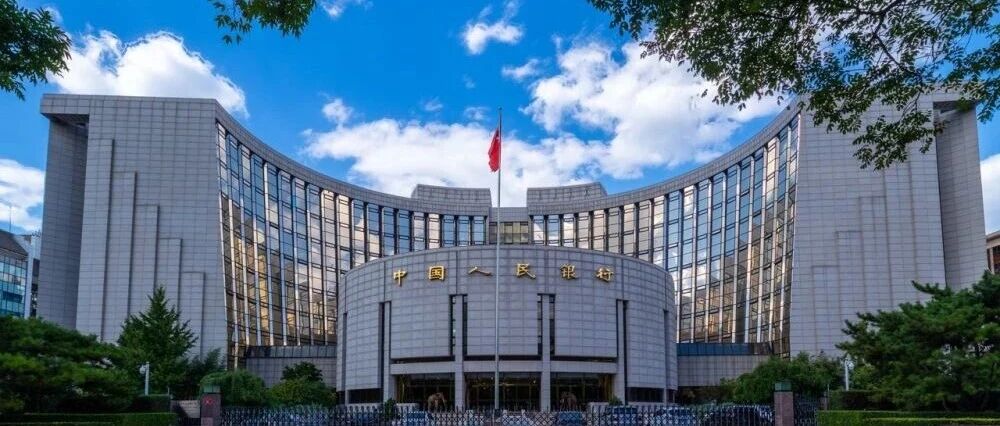
金融法草案向社会公开征求意见
证券时报· 2026-03-20 09:42
Core Viewpoint - The draft of the Financial Law aims to establish a comprehensive legal framework for China's financial sector, enhancing regulation, preventing risks, and promoting high-quality financial development, in line with the principles of socialism with Chinese characteristics [1][2]. Group 1: Overall Requirements and Objectives - The draft emphasizes the centralized leadership of the Communist Party over financial work and aims to build a financial power that supports the modernization of the Chinese nation [2]. - It highlights the importance of a modern central banking system, clarifying the roles of the central bank and improving monetary policy frameworks [2][3]. Group 2: Regulation and Compliance - Financial institutions will be subject to full-cycle management regarding entry, operation, and exit, with strict approval requirements for significant changes [2][3]. - The draft aims to enhance the standardization of financial products and services, ensuring compliance and addressing issues like financial fraud [2][3]. Group 3: Financial Market and Infrastructure - The draft outlines the basic functions and trading principles of financial markets, establishing mechanisms for stability and risk management [2][3]. - It emphasizes the need for a robust financial infrastructure that supports registration, custody, and transaction services, ensuring safety and efficiency [30][31]. Group 4: Risk Management and Legal Accountability - A comprehensive financial risk disposal mechanism is proposed, focusing on market-oriented and legal principles to prevent systemic risks [3][4]. - The draft increases penalties for illegal activities in the financial sector, aiming to enhance accountability and compliance [4][58]. Group 5: Financial Development and Security - The draft encourages the development of various financial sectors, including technology finance and green finance, to support national strategies and high-quality economic development [52][53]. - It aims to strengthen the financial security framework, including anti-money laundering measures and the protection of financial data [54][55].
工信部:适度超前布局建设5G、智算等;两股拟分红并高送转……盘前重要消息还有这些
证券时报· 2026-03-17 00:22
Group 1 - China’s Ministry of Commerce reported that during recent negotiations, both China and the U.S. reached preliminary consensus on several issues, indicating a constructive dialogue [2] - The Financial Regulatory Bureau emphasized the need to effectively manage risks in key areas and support the resolution of debt risks for financing platforms, while preventing illegal financial activities [2] - The Ministry of Industry and Information Technology highlighted the importance of optimizing and upgrading the industrial system, promoting new technologies, and developing emerging industries such as integrated circuits and aerospace [3] Group 2 - Meta plans to invest up to $27 billion in AI company Nebius over the next five years, with Nebius set to provide dedicated computing power starting in 2027 [4] - The recent price fluctuations in major chemical products have not significantly impacted the profitability or gross margins of Sanlianban Sanfangxiang [6] - The methanol market has seen a slight price increase, but Chitianhua has not engaged in any export sales of its methanol products [7] Group 3 - Xiangyou Technology is under investigation by the China Securities Regulatory Commission for suspected violations of information disclosure [9] - Huichuang Data plans to distribute a dividend of 3.4 yuan per share and expects a 68.32% year-on-year increase in net profit for 2025 [10] - Jinfang Energy anticipates a 176.06% year-on-year increase in net profit for 2025 and plans to distribute a dividend of 2.5 yuan per share [11]




金融监管总局等提示风险:理性分期避套路 警惕诱导捆绑收费
证券时报· 2026-03-13 13:54
Core Viewpoint - The article emphasizes the importance of consumer awareness regarding potential traps in online financing and payment services, urging consumers to be vigilant about hidden fees and the protection of personal information [2][3]. Group 1: Consumer Awareness - The Financial Regulatory Bureau, along with consumer associations, has issued warnings about inducements to pay and high financing costs, highlighting the need for consumers to enhance their discernment and risk prevention awareness [2]. - Consumers are advised to retain evidence such as bills, transaction receipts, and communication records when their rights are infringed during installment applications [2]. Group 2: Case Studies - One case illustrates a consumer who was required to upgrade to a specific membership level to qualify for installment applications, leading to a situation where they incurred monthly membership fees without successfully obtaining a loan or purchasing goods [2]. - Another case shows a consumer who provided personal information without a lending agreement, resulting in frequent marketing calls and potential scam messages, underscoring the risks of sharing personal data [3]. Group 3: Risk Prevention - Consumers should be cautious of bundled charges and hidden fees when engaging in online payment services, ensuring they read service agreements and understand key terms before agreeing to any services [3]. - The article stresses the importance of protecting personal information and being cautious about sharing data with platforms that collect information for third-party matching [3].

金融立法修法提速,人大代表建言明确金融稳定责任分工
第一财经· 2026-03-11 12:42
Core Viewpoint - The article emphasizes the urgent need for legislative reforms in financial stability law and the People's Bank of China law to enhance the financial regulatory framework and mitigate systemic financial risks in China [3][4]. Legislative Progress - The National People's Congress (NPC) plans to accelerate the development of financial laws, including the Financial Stability Law and amendments to the People's Bank of China Law and Banking Supervision Law [3]. - Current financial laws are fragmented, with provisions for financial stability and risk prevention scattered across various regulations, lacking specific rules and procedures [3][4]. Financial Stability Law - The proposed Financial Stability Law aims to create a cohesive legal framework that integrates with existing laws like the People's Bank of China Law and the Commercial Banking Law, ensuring effective coordination and responsibility delineation [4]. - There are existing challenges in legislative practice, such as inconsistent definitions of "systemic financial risk" and the need for clearer responsibility assignments among financial institutions and regulatory bodies [4][5]. Risk Management Framework - The article suggests establishing a comprehensive risk prevention and resolution system within the Financial Stability Law, emphasizing the importance of defining responsibilities clearly among various entities, including the Central Financial Committee and local governments [5][6]. - It is recommended to clarify the order of fund usage and limit public fund usage to prevent moral hazards [5][6]. People's Bank of China Law - The current People's Bank of China Law, last revised in 2003, is outdated and does not adequately address the evolving financial landscape, including the dual-pillar monetary policy framework and the rise of digital currency [6][7]. - The article highlights the need to legally define the dual-pillar framework and the specific conditions for macro-prudential tools, enhancing the effectiveness of macro-financial management [6][7]. Digital Currency Regulation - There is a pressing need to establish legal regulations for digital currency, particularly the digital renminbi, to ensure its legal status, issuance processes, and protection against fraud [6][7]. - Recommendations include defining the digital renminbi as legal tender, outlining the responsibilities of the central bank, and establishing penalties for violations related to digital currency [7].