
金融进化

Search documents
百年老街,资本暗战|故乡里的中国
经济观察报· 2026-02-18 06:13
Core Viewpoint - The article explores the historical significance of Harbin's Central Avenue as a financial hub in Northeast Asia, highlighting the evolution of currency and banking institutions over the past century [2][30]. Group 1: Historical Context - Central Avenue in Harbin was once bustling with financial activity, hosting over twenty banks and financial institutions, including Citibank and HSBC, which played a crucial role in capital flow in Northeast Asia [2][9]. - The area transformed from a marshland in the early 1900s to a vibrant financial center, with the first Russian merchants bringing rubles to the region [2][9]. Group 2: Currency Evolution - In 1914, the circulation of rubles in Harbin exceeded one hundred million, surpassing that of some major cities in Russia, indicating the city's economic significance [9]. - The October Revolution in 1917 led to the devaluation of the old ruble, causing significant financial losses for local merchants, exemplified by a case where a merchant's savings turned worthless overnight [9][10]. - By 1924, the Soviet government abolished all Tsarist currency, marking the end of the ruble era in Harbin [10][21]. Group 3: The Role of Autumn Company - The Autumn Company, established in 1900, became a major retail entity in the region, issuing its own vouchers that functioned as a quasi-currency amidst the chaotic monetary environment [17][19]. - The company's ability to adapt to currency fluctuations allowed it to thrive, even during times of hyperinflation and currency devaluation [19][21]. Group 4: Transition to Modern Currency - After the establishment of the People's Republic of China in 1949, the renminbi became the sole legal tender in Harbin, concluding a long period of currency instability [28][29]. - The introduction of modern banking systems in the late 1990s, such as the Harbin Bank, reflects the evolution of financial services in the region, integrating with global financial networks [29][30]. Group 5: Cultural Significance - The article emphasizes that the physical remnants of Central Avenue, such as its cobblestones and historical buildings, serve as a testament to the financial history and cultural memory of the region [30][34].



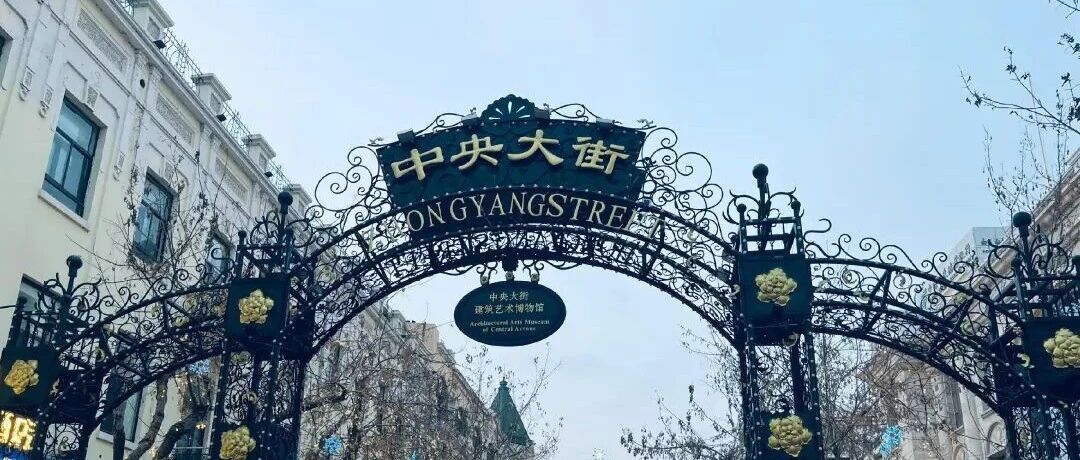
百年老街,资本暗战
Jing Ji Guan Cha Wang· 2026-02-16 12:03
Core Insights - The article highlights the historical significance of Harbin's Central Street as a financial hub in Northeast Asia, showcasing its evolution from a bustling center of trade and banking in the early 20th century to its current state as a tourist attraction with remnants of its financial past [1][2][3]. Historical Context - Central Street was established around 1900, becoming home to over twenty banks and financial institutions, including Citibank and HSBC, which played a crucial role in capital flow in Northeast Asia [1][2]. - The street's financial prominence peaked in 1914 when the circulation of the ruble in Harbin exceeded one hundred million, surpassing that of some major cities in Russia [2]. Currency Evolution - The article details the decline of the ruble post-1917 October Revolution, leading to significant devaluation and the introduction of the Siberian ruble, which eventually became worthless [3]. - By 1924, the Soviet government abolished all Tsarist currency, marking the end of the ruble era in Harbin [3]. The Role of Autumn Trading Company - The Autumn Trading Company, established in 1900, became a significant player in Harbin's economy by issuing its own vouchers, which served as a quasi-currency during a time of monetary chaos [6][7]. - The company's vouchers maintained purchasing power better than official currencies during the economic turmoil of the 1920s [8]. Transition to Modern Banking - After the establishment of the People's Republic of China in 1949, the Northeast Bank merged into the People's Bank of China, making the renminbi the sole legal currency in Harbin by 1951 [12]. - In 1997, Harbin Bank opened on Central Street, marking a shift towards modern banking practices and international investment [12]. Cultural Significance - Central Street serves as a living museum of financial history, with its cobblestones symbolizing the struggles and growth of a nation through currency changes [4][9]. - The street continues to attract visitors, maintaining its cultural relevance as a site of historical financial memory [14].