铁矿石供应格局转变

Search documents
全球铁矿石定价格局面临重塑
Qi Huo Ri Bao· 2026-01-22 01:09
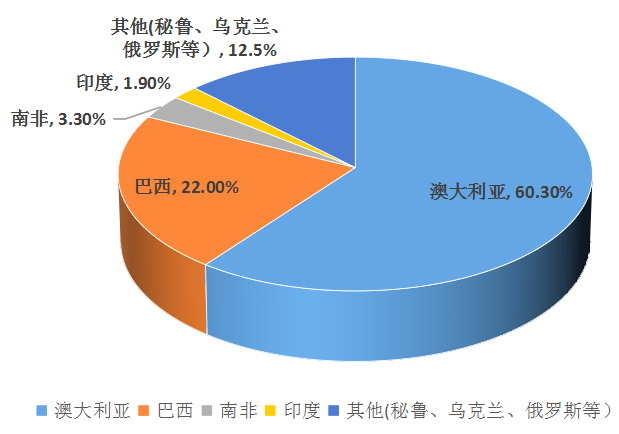
Core Viewpoint - The recent shift in iron ore pricing mechanisms by major miners like Rio Tinto and FMG indicates a potential transition away from the Platts index, which has been criticized for its limited sample size and susceptibility to manipulation. This change may lead to a multi-index pricing phase, reshaping the global pricing landscape for iron ore [1][2][10]. Group 1: Changes in Pricing Mechanisms - Rio Tinto and FMG will stop using the Platts index for long-term contracts with Chinese steel mills, opting instead for Fastmarkets and a combination of Mysteel and Argus indices [2][3]. - The adjustment in pricing benchmarks signifies that the Platts index will no longer be the sole reference for iron ore pricing, potentially breaking its monopoly [2][10]. Group 2: Supply Dynamics - China, as the largest consumer of iron ore, imports over 12 million tons annually, with a dependency exceeding 80%, primarily from the four major miners [4][9]. - The upcoming Guinea Simandou iron ore project, set to commence production in November 2025, is expected to alter the current supply dynamics, reducing China's reliance on Australian iron ore [7][8]. Group 3: Future Supply Outlook - The global iron ore supply is anticipated to increase due to ongoing capacity expansions by major miners and the gradual ramp-up of the Simandou project [9][10]. - The long-term outlook suggests a shift towards a more balanced supply-demand scenario, with potential downward pressure on prices as the market adjusts to increased supply [10].