银行高管更迭

Search documents
董事长、行长先后换任!泉州银行业绩“翻身仗”怎么打?
Sou Hu Cai Jing· 2025-12-19 10:43
Group 1 - Quanzhou Bank has undergone a leadership change with the appointment of Li Mingqin as the new president, following the retirement of former chairman Lin Yangfa and the nomination of Jiang Wenpeng as chairman [2][3] - Both the new president and the chairman have extensive experience in state-owned and joint-stock banks, particularly within the Fujian financial system, which is expected to provide strategic stability for the bank [2][4] - The bank is facing a "stress test" as it reports a decline in both revenue and profit for the first three quarters of the year, marking a shift after four years of steady growth [2][8] Group 2 - Quanzhou Bank's revenue for the first three quarters is reported at 2.396 billion yuan, a year-on-year decrease of 12.54%, while net profit is 245 million yuan, down 23.03% [9] - The bank's total assets reached 178.418 billion yuan, with a growth rate of 1.77%, indicating a slowdown compared to previous years [9] - The net interest income for the first three quarters is 1.832 billion yuan, reflecting a decline of 7.78%, continuing a downward trend from the previous year [9] Group 3 - The bank's deposit growth has also slowed, with growth rates of 1.96% and 6.78% for 2024 and the first three quarters of 2025, respectively, marking the lowest levels in recent years [11] - The net interest margin has been declining since reaching a peak of 2.5% in 2021, dropping to 1.53% by the third quarter of 2025 [11] - Investment income has seen significant fluctuations, with a decrease of 28.03% to 44.5 million yuan in the first three quarters of 2025, contributing to the overall revenue decline [11][12] Group 4 - The bank's asset quality is under pressure, with non-performing loan ratios increasing from 1.52% in 2022 to 1.83% in 2024, and the provision coverage ratio decreasing from 170.81% to 163.23% over the same period [13][14] - Credit impairment losses have risen significantly, with a reported increase of 3.16 billion yuan year-on-year, primarily due to higher provisions for loan impairments [18] - The bank's credit loans have expanded rapidly, but the overdue amounts have also increased, indicating rising credit risk [16][18]

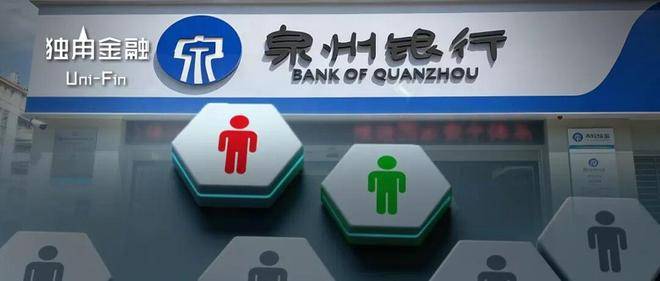
民生银行之变:“75后”李稳狮获聘副行长,深圳前首富林立获批董事资格
Xin Lang Cai Jing· 2025-07-29 00:49
Core Viewpoint - Recent management changes at Minsheng Bank include the appointment of Li Wenshi as vice president and the retirement of Shi Jie due to age [1][2][9] Group 1: Management Changes - Li Wenshi, born in 1977, has been appointed as vice president of Minsheng Bank, pending regulatory approval [1][2] - Shi Jie has retired from his position as vice president due to age, effective July 23, 2025 [7][9] - The current executive structure consists of one president and five vice presidents, with a notable presence of "post-70s" executives [1][9] Group 2: Li Wenshi's Background - Li Wenshi joined Minsheng Bank in 2004 and has held various positions, including branch manager and department head [7] - He has received multiple accolades, including being named a "contributor to Minsheng development" and a "financial service expert" [7] - His educational background includes a law degree from Shanxi University and an MBA from Tsinghua University [5] Group 3: Shi Jie's Contributions - Shi Jie, born in 1965, has served in various roles within Minsheng Bank since 2016 and has been recognized for his dedication and contributions [8][9] - His tenure included significant involvement in optimizing business structure and enhancing risk management capabilities [9] Group 4: Shareholding Changes - Lin Li has been approved as a director of Minsheng Bank, with his company, Liyue Group, increasing its shareholding to nearly 5% [10][11] - Liyue Group's shareholding has risen to 4.945%, just below the 5% threshold for mandatory disclosure [11] Group 5: Asset Management Strategy - Minsheng Bank has been actively working to resolve historical non-performing assets, with a focus on cash recovery strategies [14][15] - The bank reported a total asset of 7.78 trillion yuan, with a non-performing loan ratio of 1.46% and a provision coverage ratio of 144.27% [15]