长效监管机制

Search documents
曝光后换马甲重来,不容问题氨糖狡兔三窟
Xin Jing Bao· 2025-12-10 09:28
Core Viewpoint - The article highlights the ongoing issue of false advertising in the healthcare sector, particularly regarding glucosamine products and lutein, which claim to provide unverified health benefits [4][5][6]. Group 1: False Advertising Practices - Some companies continue to promote glucosamine products with misleading claims about joint health and cartilage repair, despite previous exposure and regulatory actions [4][5]. - Lutein brands are using indirect methods to suggest their products can prevent myopia, without making direct claims [5]. Group 2: Regulatory Challenges - The imbalance between the low cost of violations and the high profit margins from misleading advertising allows companies to continue these practices with minimal consequences [6]. - Current regulatory measures are reactive rather than proactive, lacking real-time monitoring of marketing content across different platforms [6]. Group 3: Consumer Vulnerability - Consumers often lack the necessary knowledge to discern the actual efficacy of glucosamine and lutein, making them susceptible to misleading claims [6]. - Misleading marketing tactics, such as false endorsements from "overseas brands" or "doctor recommendations," exploit consumer ignorance [6]. Group 4: Recommendations for Improvement - A systematic and long-term regulatory mechanism is needed, including enhanced pre-approval responsibilities for e-commerce platforms to monitor health product advertising [7]. - Increasing penalties for companies that continue to engage in misleading marketing practices is essential to deter such behavior [7]. - Public education on the actual benefits and limitations of glucosamine and lutein should be strengthened to reduce the space for false advertising [7].


多次整治又回潮,济南花车真的无解?
Qi Lu Wan Bao Wang· 2025-10-09 03:16
Core Viewpoint - The persistent issues surrounding the "flower cars" in Jinan, including illegal operations and traffic violations, continue to affect tourist experiences and the city's image despite multiple attempts at regulation and management over the years [1][6][10]. Group 1: Current Situation - Flower cars are prevalent around major tourist attractions like Daming Lake and Baotu Spring, often occupying non-motorized lanes and even motorized lanes to solicit passengers [2][3]. - Recent observations indicate an increase in flower car operations, with many now using compliant vehicles that can be registered and drivers holding valid licenses [2][3]. - Tourists often prefer flower cars due to convenience and time-saving benefits, despite higher costs compared to public transport [3][4]. Group 2: Regulatory Challenges - Jinan has conducted numerous special operations targeting illegal flower car activities, but these efforts have not led to a permanent solution, as flower cars reappear after enforcement actions [6][10]. - The lack of clear legal definitions and responsibilities among regulatory bodies complicates enforcement efforts, leading to a cycle of temporary crackdowns followed by re-emergence of flower cars [9][10]. - The current regulatory framework does not adequately address the operation of flower cars, as they fall into a legal gray area, making it difficult for authorities to impose consistent penalties [9][10]. Group 3: Recommendations for Improvement - Experts suggest the need for a long-term regulatory mechanism to manage flower cars effectively, rather than relying solely on sporadic enforcement actions [7][10]. - There is a call for innovative solutions and improved legal frameworks to address the underlying issues, as the current approach has proven ineffective over the past decade [10].
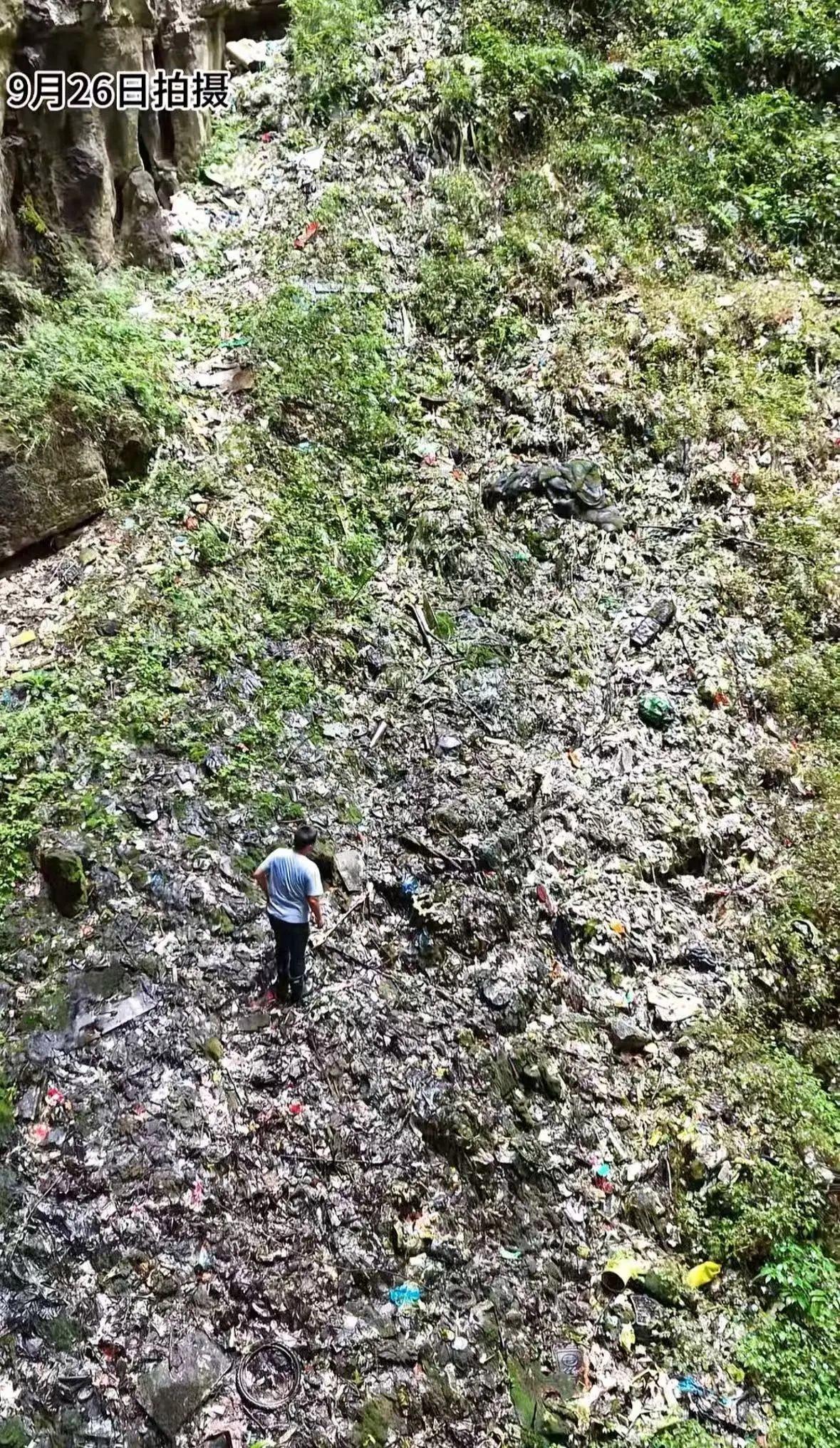
溶洞垃圾堆到“十层楼高”,必须揪出污染环境的罪魁祸首
Zhong Guo Qing Nian Bao· 2025-09-30 11:24
Core Viewpoint - A significant environmental pollution incident in Qianxi City, Guizhou, has raised public concern after being exposed by a netizen, highlighting the need for effective regulatory mechanisms and accountability for polluters [1][4][8] Group 1: Incident Details - A video posted by a netizen shows a natural cave in Qianxi City filled with garbage and sewage, posing a severe threat to the environment [1][3] - The garbage is reported to be "at least ten stories high," with harmful waste such as medicine packaging visible, indicating long-term neglect and pollution [3][4] - The local government confirmed the issue and announced a multi-department investigation and cleanup plan [1][7] Group 2: Regulatory and Legal Implications - Current laws prohibit the use of caves and underground rivers for waste disposal, emphasizing the need for strict enforcement and accountability for violators [7][8] - The incident reveals gaps in environmental oversight, particularly in hidden areas like caves, necessitating regular inspections and a collaborative approach among various regulatory bodies [7][8] Group 3: Public and Institutional Response - The public expects not only immediate cleanup but also thorough investigations to identify and penalize those responsible for the pollution [4][8] - Transparency in the cleanup process is crucial, with calls for clear timelines and progress reports to maintain public trust and ensure effective oversight [7][8]