虚假宣传

Search documents
知名打假人质疑潮发牛肉虚假宣传,最新回应
21世纪经济报道· 2026-03-28 03:50
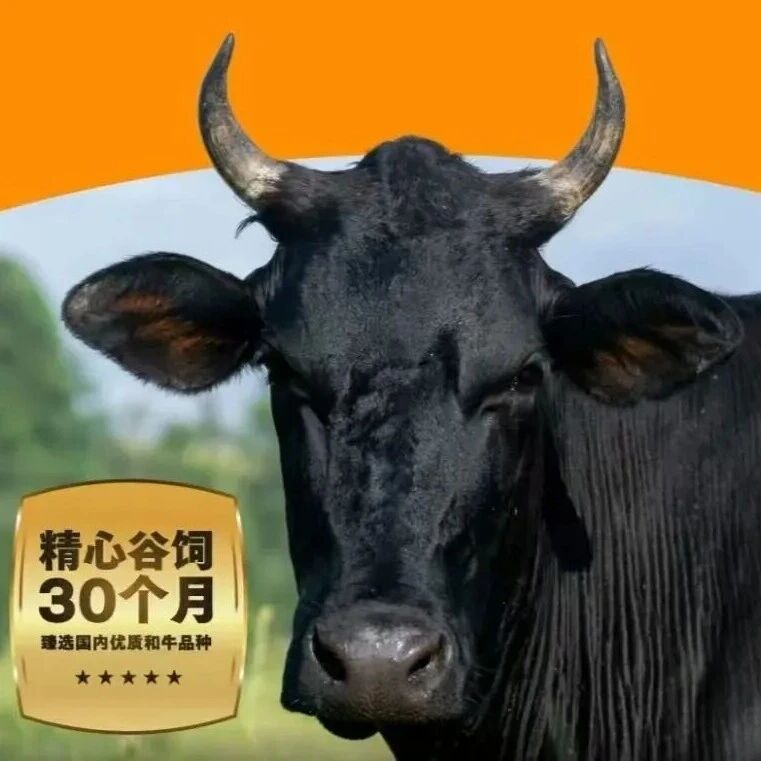
Group 1 - The core issue revolves around allegations made by a well-known professional whistleblower, Wang Hai, who claims that the "fresh Wagyu" beef sold at Chao Fa Hotpot is not authentic Wagyu, as the advertised 1400-acre breeding base has been significantly overstated [1][2] - Chao Fa Hotpot has prominently marketed "fresh Wagyu" as a key selling point, emphasizing its 1400-acre breeding base in Ningxia and promoting the integration of high-end Wagyu into traditional Chaoshan beef hotpot [2][4] - The breeding base, Ningxia Benfa Ecological Agriculture Co., is controlled by Guangzhou Chao Fa Investment Co., and it has been revealed that the cattle are actually Angus and hybrid Wagyu, with purebred Wagyu being rare in the domestic market [5][8] Group 2 - The hotpot chain has recently updated its in-store signage to clarify that not all beef comes from the Ningxia breeding base, indicating collaboration with other suppliers, and that "F1 Wagyu" refers to hybrid cattle [7][8] - The term "F1 Wagyu" and "hybrid Wagyu" lacks a formal industry standard, as purebred Wagyu is scarce and cannot meet market demand, leading to confusion among consumers [8] - Wang Hai has reported Chao Fa Hotpot to the Guangzhou market regulatory authority for suspected false advertising, and the situation is currently under investigation [8]

“猛长20厘米”“三月见效”,增高“神药”大卖10万单,多家店铺被立案调查
21世纪经济报道· 2026-03-26 06:32
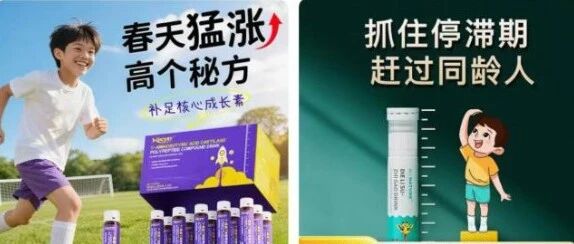
Core Viewpoint - The article discusses the marketing frenzy surrounding γ-aminobutyric acid (GABA) products marketed as growth enhancers for children, highlighting the disparity between their high prices and the questionable scientific backing for their efficacy [2][21]. Group 1: Product Overview - GABA is a naturally occurring non-protein functional amino acid that acts as an inhibitory neurotransmitter in the central nervous system, with various regulatory effects on bodily functions [5][6]. - GABA's safety for consumption has been recognized in several countries, including the U.S. and Japan, and it was approved as a new resource food in China in 2009 [6]. - Current popular GABA products are categorized under two standards: GB 24154 for sports nutrition foods and GB 7101 for beverages, with the former targeting athletes and the latter being general food products [9][10]. Group 2: Marketing Practices - Many sellers use vague marketing tactics to associate GABA products with children's height growth, despite these products not being classified as health supplements [6][10]. - The marketing often includes misleading claims about the effectiveness of GABA in promoting growth, with some products being marketed under the guise of enhancing sleep quality and nutrition [19][22]. - There is a trend of using indirect language to avoid direct claims about height increase, which can mislead anxious parents into believing in the products' efficacy [19][21]. Group 3: Regulatory Concerns - Several businesses have been investigated for false advertising related to GABA products, with some facing legal action for misleading consumers about their products' benefits [12][21]. - Legal experts emphasize that if companies knowingly misrepresent their products' target demographics and benefits, they may be violating food safety laws and consumer protection regulations [10][21]. - The article calls for stricter penalties for violators, improved oversight from e-commerce platforms, and better consumer education to combat misinformation [21]. Group 4: Market Dynamics - The market for growth hormone products has seen significant growth, with the market size increasing from 4 billion yuan in 2018 to 11.6 billion yuan in 2023, and projected to reach 28.6 billion yuan by 2030 [23]. - The demand for long-acting growth hormones is expected to dominate the market, with several companies already having their products approved for sale [23]. - Parents' height anxiety drives them to invest in these products, often falling prey to marketing strategies that promise rapid results [23].
网络食品当成“神药”卖!市场监管总局:严惩虚假宣传行为
第一财经· 2026-03-19 09:29
Core Viewpoint - The article discusses the recent actions taken by the State Administration for Market Regulation to enhance compliance in online food safety, particularly targeting misleading marketing practices in the health food sector [3][5]. Group 1: Regulatory Actions - The State Administration for Market Regulation has initiated a series of actions starting March 16 to address three major issues in online food sales: regulating live-streaming sales, verifying food qualifications, and punishing false advertising [3][6]. - The new regulations, effective from March 20, require live-streaming platforms and hosts to adhere to strict food safety responsibilities and prevent misleading marketing tactics [3][6]. Group 2: Health Food Industry Concerns - The health food industry is experiencing growth, with the "blue hat" symbol indicating products with health benefits, but not as substitutes for medical treatment [5]. - Recent reports have highlighted violations where products without the "blue hat" are marketed with exaggerated health claims, such as curing diseases within a short period [5][6]. Group 3: Legal Framework and Future Developments - The legal classification of food in China includes ordinary food, health food, and drugs, with no legal category for dietary supplements; products not registered as health foods are regulated as ordinary food [6][7]. - The State Administration for Market Regulation is also focusing on legislative tasks for 2026, including revising advertising regulations for drugs, medical devices, and health foods [7].

中国食品安全网:黄天鹅涉嫌虚假宣传 提醒消费者擦亮眼睛
Xin Lang Cai Jing· 2026-03-17 07:24
Core Viewpoint - The article discusses the detection of artificial colorant, Canthaxanthin, in the eggs of the leading domestic brand Huang Tian E, which contradicts the company's long-standing claim of "no artificial colorants," suggesting potential false advertising [1][3]. Group 1: Detection Results - The first batch of Huang Tian E's eggs showed a Canthaxanthin residue level of 0.399 mg/kg, as reported by a third-party testing agency [1][3]. - A second batch purchased from Yonghui Supermarket revealed a Canthaxanthin residue level of 1.65 mg/kg, which is over three times the upper limit of what Huang Tian E claims is "natural" [2][4]. Group 2: Implications of Findings - The detection of Canthaxanthin at 1.65 mg/kg raises significant concerns about potential artificial additives, challenging the industry's understanding of natural components [2][4]. - Huang Tian E's repeated claims of their eggs being free from artificial colorants have been called into question, indicating possible misleading marketing practices [2][4].
“过了3·15再说……咱们这个行业经不起查的”
新华网财经· 2026-03-16 02:20
Core Viewpoint - The article highlights the deceptive practices within the private domain marketing industry, particularly focusing on the manipulation of health product pricing and the use of misleading marketing strategies to target vulnerable consumers, especially the elderly [4][8][10]. Group 1: Private Domain Marketing Practices - A private domain marketing industry conference revealed that "network video producers" play a crucial role in selecting and promoting health products, often inflating prices significantly compared to their procurement costs [4][6]. - An example provided indicates that a product costing around 20 yuan is sold for 1198 yuan, showcasing the extreme markup in this industry [6]. Group 2: Misleading Product Claims - The article discusses a specific product, "活元泰甘露聚糖肽口服溶液," marketed through a video series titled "生命密码," which claims to treat various serious health conditions, despite its actual indications being much more limited [8][10][12]. - The product's market price is noted to be nearly five times higher than a similar product, raising concerns about the authenticity of its advertised benefits [12]. Group 3: Expert Manipulation and Deception - The article reveals that the so-called "medical experts" featured in these marketing videos often lack genuine qualifications, with many being actors rather than qualified professionals [19][21]. - The production companies behind these videos often fabricate credentials for these experts, making it difficult for consumers to discern the truth [24][29]. Group 4: Industry Response to Regulation - The industry is reportedly on high alert regarding regulatory scrutiny, particularly around events like the "3·15晚会," which focuses on consumer rights and fraud [13][17]. - Companies are advised to operate discreetly during such periods to avoid attracting attention from regulatory bodies [13][17].

进货价几块,摇身一变高价“神药”,私域直播黑产盯上癌症患者
21世纪经济报道· 2026-03-12 15:38
Core Viewpoint - The article highlights the emergence of a black market industry within private domain live streaming, where low-cost food products are marketed as miraculous health solutions, particularly targeting elderly consumers, without any regulatory oversight or proper product registration [6][7][8]. Industry Overview - The private domain live streaming sector is rapidly growing, with projections indicating over 26,000 live streaming rooms and more than 10,000 companies by the end of 2025, with significant sales figures reported [6][7]. - The industry is transitioning from a billion to a trillion scale, with some companies achieving monthly sales of 1 billion yuan [6]. Black Market Dynamics - A well-organized black market chain exists, involving manufacturers, MCN agencies, and influencers who misrepresent ordinary food products as health cures, exploiting the lack of regulation in private domain live streaming [6][7][8]. - The use of coded language and psychological manipulation techniques is prevalent, with influencers employing fear tactics and urgency to drive sales [12][13]. Consumer Protection Challenges - Consumers face significant challenges in protecting themselves, as products are often sold at inflated prices, and after-sales support is virtually non-existent [8][10]. - Legal experts suggest that consumers need to gather comprehensive evidence to support claims of false advertising or fraud, as the burden of proof lies heavily on them [10][22]. Regulatory Environment - The current regulatory framework is inadequate, with low penalties for violations failing to deter illegal practices in the private domain live streaming sector [20][21]. - Recent regulatory measures aim to curb misleading advertising practices, particularly those targeting vulnerable populations like the elderly [20][21][22].
小米虚假宣传案大反转,全网炸锅了!
商业洞察· 2026-03-03 09:22
Core Viewpoint - The article discusses the legal resolution of a dispute involving Xiaomi's "hole version" car hood, highlighting the implications for consumer trust and corporate responsibility in marketing practices [3][4][21]. Summary by Sections Background of the Dispute - The dispute began in February 2025 when Xiaomi launched the SU7 Ultra with a carbon fiber hood priced at 42,000 yuan, marketed as having "racing-level features" [7]. - Initial consumer expectations were set high by Xiaomi's promotional statements, including comments from CEO Lei Jun about performance upgrades [7][8]. Consumer Reactions and Legal Actions - After receiving the product, consumers found discrepancies between the advertised features and the actual performance, leading to feelings of being misled [9][10]. - Xiaomi's response included acknowledging unclear communication and offering compensation, which consumers deemed insufficient compared to the high cost of the optional hood [11][10]. Court Ruling - The court ruled in favor of Xiaomi, stating three main points: 1. A third-party report confirmed the hood's aerodynamic benefits, countering claims of it being merely decorative [14]. 2. The court noted the essential differences between the production model and the prototype, indicating consumers should have been aware of these distinctions [14]. 3. The promotional statements did not constitute binding contractual obligations, as the purchase agreement lacked specific performance metrics [14][15]. Implications for Xiaomi and the Industry - The ruling is significant but only the first of its kind, with other similar cases pending in different jurisdictions [16]. - Despite the legal victory, the incident has raised concerns about consumer trust and the need for companies to balance marketing effectiveness with product reality [20][21]. - Xiaomi's future success in the electric vehicle market will depend on learning from this experience and maintaining transparent communication with consumers [20][21]. Future Outlook - Xiaomi plans to accelerate its electric vehicle initiatives, with six new models expected in 2026, covering a price range of 200,000 to 550,000 yuan [17]. - The company has prepared its Beijing factory for a production capacity exceeding 600,000 units annually, indicating ambitious growth plans [19].


新华解码丨针对“幽灵外卖”、虚假宣传等顽疾 两部新规提出哪些新举措?
Xin Hua Wang· 2026-02-27 00:50
Core Viewpoint - The new regulations aim to address issues such as "ghost takeout," false advertising, and the lack of accountability in online food delivery services, emphasizing the responsibility of platforms to ensure food safety and transparency [1]. Group 1: Regulatory Measures - The newly released regulations require online food delivery platforms to ensure that the names of online food service providers match their physical storefronts and to display their operating qualifications and actual addresses prominently [2]. - Platforms must also indicate "no dine-in" status for providers that do not offer this service, ensuring that consumers are aware of the service limitations [2]. Group 2: Addressing "Ghost Takeout" - "Ghost takeout" refers to unlicensed operators who misrepresent themselves as legitimate businesses through fraudulent means [3]. - The regulations mandate that platforms conduct substantive reviews of the food business licenses of their listed providers and verify that the information matches reality, preventing the use of false or borrowed credentials [3]. - Platforms are required to verify the actual operating addresses and qualifications of food vendors at least every six months to ensure compliance [3]. Group 3: Consumer Accountability - To enhance consumer protection, the regulations require platforms to provide visible links for complaints and reports on the main pages of food sellers, ensuring that consumer issues are addressed promptly [4]. Group 4: Penalties and Compliance - The new regulations significantly increase penalties for violations, with fines reaching up to 200,000 yuan, and personal fines for platform leaders can be imposed based on their previous year's income if intentional violations occur [5]. - Online food sellers must provide accurate information regarding product origins, ingredients, and certifications, prohibiting misleading advertising and claims related to disease prevention or treatment [5].
埃克森美孚旗下品牌因误导性宣传被罚逾1100万美元
Xin Lang Cai Jing· 2026-02-20 20:25
Core Viewpoint - The Australian Federal Court has fined Mobil Australia Pty Ltd AUD 16 million (approximately USD 11.3 million) for misleading fuel promotions at gas stations in Queensland [1][3]. Group 1: Regulatory Actions - The Australian Competition and Consumer Commission (ACCC) filed a lawsuit against Mobil Australia in 2024, accusing the company of misleading consumers regarding fuel sold at six branded gas stations in Queensland [1][3]. - The ACCC stated that between August 2020 and July 2024, Mobil falsely claimed that its "Mobil Synergy fuel" contained specific additives [1][3]. - The misleading promotions were conducted through various signage and branding at nine Mobil gas stations in northern and central Queensland [1][3]. Group 2: Company Response - In response to the allegations, Mobil has taken measures to either not install "specific performance promotions" at the relevant gas pumps or to cover or remove such promotions at stations not using Synergy fuel [2][4].
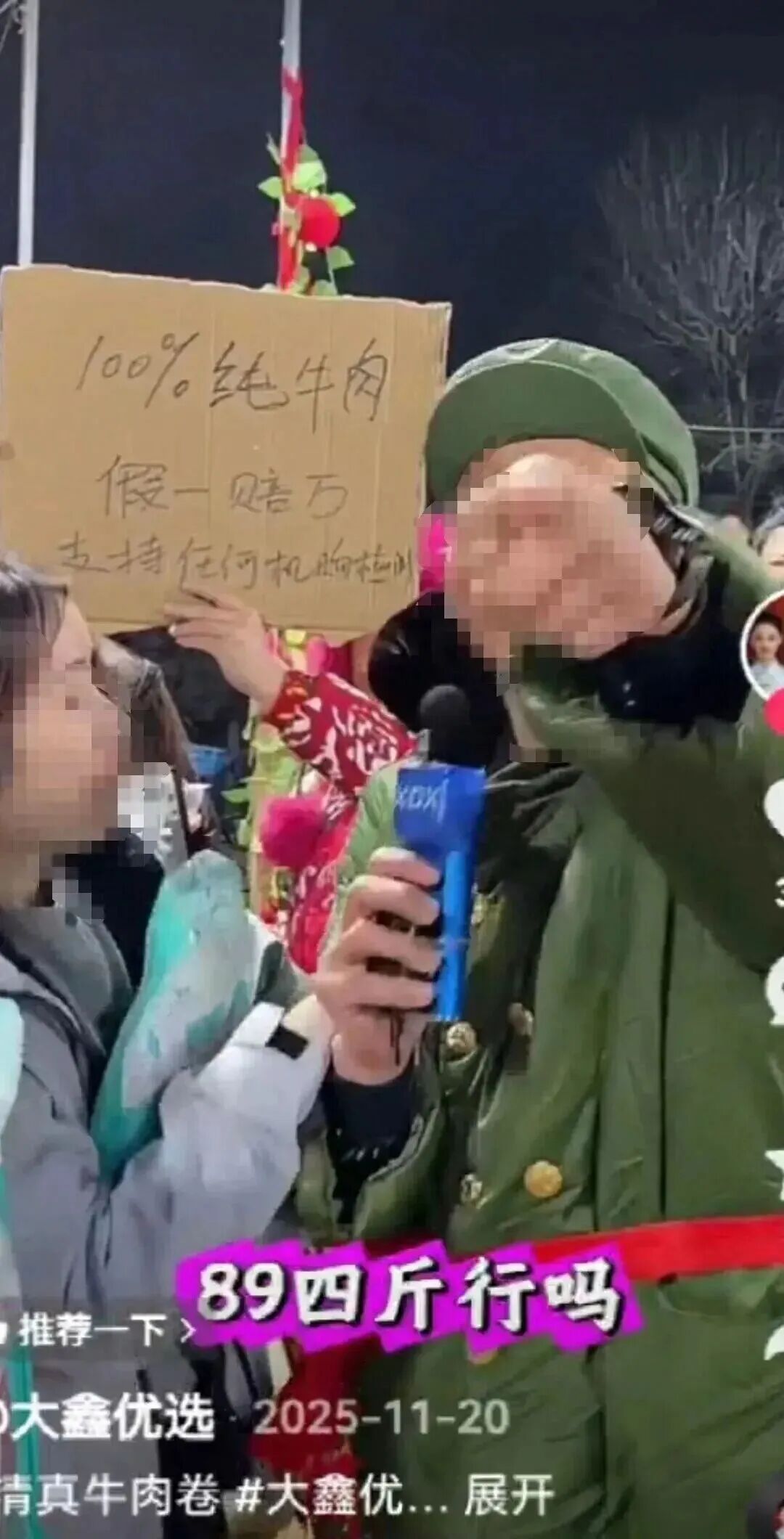
百万粉丝网红直播带货“100%纯牛肉”99元4斤 “假一赔万” 市监局:虚假宣传 罚6.5万元!其事后发视频道歉 但拒绝赔偿
Mei Ri Jing Ji Xin Wen· 2026-02-15 07:37
Core Viewpoint - The influencer "Daxin" is under scrutiny for allegedly misleading consumers by promoting a product as "100% pure beef" while it contains other ingredients, leading to a fine from local authorities [1][5]. Regulatory Actions - The Shandong Liaocheng Market Supervision Administration fined Daxin's company, Liaocheng Dingyou Cultural Media Co., Ltd., 65,000 yuan for false advertising [5][6]. - The fine was based on the violation of the "Interim Provisions on the Prohibition of Unfair Competition on the Internet" and the "Anti-Unfair Competition Law of the People's Republic of China" [6]. Sales and Financial Impact - The product in question sold 397 units at 89.9 yuan each, totaling approximately 35,690.3 yuan in sales [5][6]. - Daxin's company earned a commission of 3,569 yuan from these sales [5][6]. Consumer Reactions - A consumer, Mr. Xing, plans to sue for 500 yuan in damages due to the misleading advertisement [7][10]. - Over ten consumers have expressed interest in joining a collective lawsuit against the company for fraudulent practices [10]. Company Response - Daxin issued a video apology, claiming the product met standards and attributing the issue to a misunderstanding during the product explanation [8]. - The influencer denied any allegations of extortion related to the incident [8]. Social Media Presence - Daxin's account currently boasts over 1.99 million followers, indicating a significant online presence [9].