叶黄素产品

Search documents
2025年最坑爹的单品,没买过的人有福了
3 6 Ke· 2026-01-12 01:08
Group 1 - The article discusses the evolving consumer behavior where individuals are becoming more pragmatic in large purchases while still indulging in small, emotional spending [1] - There is a notable increase in health-related products, such as dynamic blood glucose monitors, which are marketed to address the rising anxiety around health among young consumers [3][4] - The price of gold has surged significantly, with spot gold prices reaching new highs, indicating a growing interest in gold as a fashionable investment among various demographics [6][9] Group 2 - The introduction of innovative health products like electronic coffee wristbands aims to provide energy without the side effects of traditional coffee consumption, appealing to the busy workforce [12][17] - Birch sap is emerging as a trendy health drink, marketed for its supposed nutritional benefits, despite scientific evidence suggesting its low nutritional value [18][20] - The rise of products like children's fingerprint water bottles reflects a trend towards high-tech solutions in everyday items, although they may not provide practical benefits [34][36] Group 3 - The market for eye health products, particularly those containing lutein, is expanding due to increased screen time and related vision concerns, despite limited clinical evidence supporting their efficacy [30][33] - The popularity of kombucha and turmeric drinks highlights a trend in health beverages that cater to urban consumers' desire for wellness, even if the underlying health claims are debated [25][27] - The demand for signal enhancement stickers for smartphones indicates a consumer willingness to invest in perceived technological improvements, despite the lack of clear scientific backing [39][45] Group 4 - The shift towards bladeless fans in home decor reflects a consumer preference for aesthetic design over traditional functionality, leading to higher price points in the market [46][49] - The article emphasizes the emotional and psychological factors driving consumer purchases, suggesting that many products are marketed more for their perceived value than their actual utility [1][3]


曝光后换马甲重来,不容问题氨糖狡兔三窟
Xin Jing Bao· 2025-12-10 09:28
Core Viewpoint - The article highlights the ongoing issue of false advertising in the healthcare sector, particularly regarding glucosamine products and lutein, which claim to provide unverified health benefits [4][5][6]. Group 1: False Advertising Practices - Some companies continue to promote glucosamine products with misleading claims about joint health and cartilage repair, despite previous exposure and regulatory actions [4][5]. - Lutein brands are using indirect methods to suggest their products can prevent myopia, without making direct claims [5]. Group 2: Regulatory Challenges - The imbalance between the low cost of violations and the high profit margins from misleading advertising allows companies to continue these practices with minimal consequences [6]. - Current regulatory measures are reactive rather than proactive, lacking real-time monitoring of marketing content across different platforms [6]. Group 3: Consumer Vulnerability - Consumers often lack the necessary knowledge to discern the actual efficacy of glucosamine and lutein, making them susceptible to misleading claims [6]. - Misleading marketing tactics, such as false endorsements from "overseas brands" or "doctor recommendations," exploit consumer ignorance [6]. Group 4: Recommendations for Improvement - A systematic and long-term regulatory mechanism is needed, including enhanced pre-approval responsibilities for e-commerce platforms to monitor health product advertising [7]. - Increasing penalties for companies that continue to engage in misleading marketing practices is essential to deter such behavior [7]. - Public education on the actual benefits and limitations of glucosamine and lutein should be strengthened to reduce the space for false advertising [7].

部分叶黄素产品仍暗示防近视,有商家已整改
Xin Jing Bao· 2025-12-08 07:33
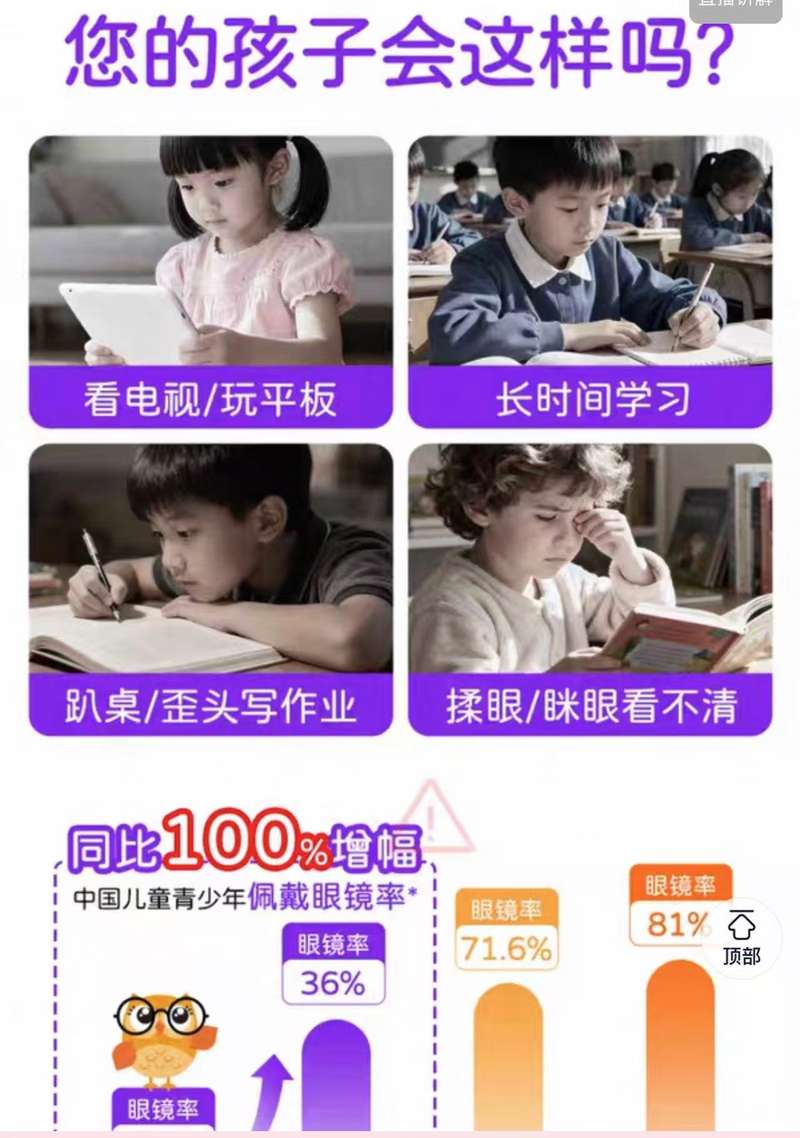
Core Insights - The potential harm of prolonged screen exposure on children's visual health has become increasingly prominent, leading to a surge in the children's lutein market as parents seek to protect their children's eyesight [1] - Some brands have been found to engage in misleading marketing practices regarding lutein products, suggesting efficacy in myopia prevention despite a lack of scientific evidence [2][14] Group 1: Market Dynamics - The children's lutein market is experiencing rapid growth due to rising awareness among parents about the importance of eye health [1] - Brands like GreenLife and NaturElan are still implicated in marketing practices that create anxiety and imply efficacy in myopia prevention, despite regulatory scrutiny [2][11] Group 2: Regulatory Environment - Following previous reports, the brand Zanhua has made corrections by removing misleading claims and clarifying the lack of evidence supporting lutein's role in preventing or controlling myopia [2] - Legal experts emphasize that misleading advertising, especially using endorsements from medical professionals, can violate competition laws [2] Group 3: Scientific Consensus - Experts agree that while lutein is beneficial as an antioxidant and for retinal health, there is no conclusive evidence supporting its effectiveness in preventing or controlling myopia [14][15] - The primary causes of myopia are linked to excessive near work and not directly related to lutein intake, highlighting the need for balanced dietary habits and proper eye care practices [14][15]