长效稳市机制

Search documents
完善“长钱长投”生态 稳市机制底气足
Zhong Guo Qing Nian Bao· 2025-12-16 02:57
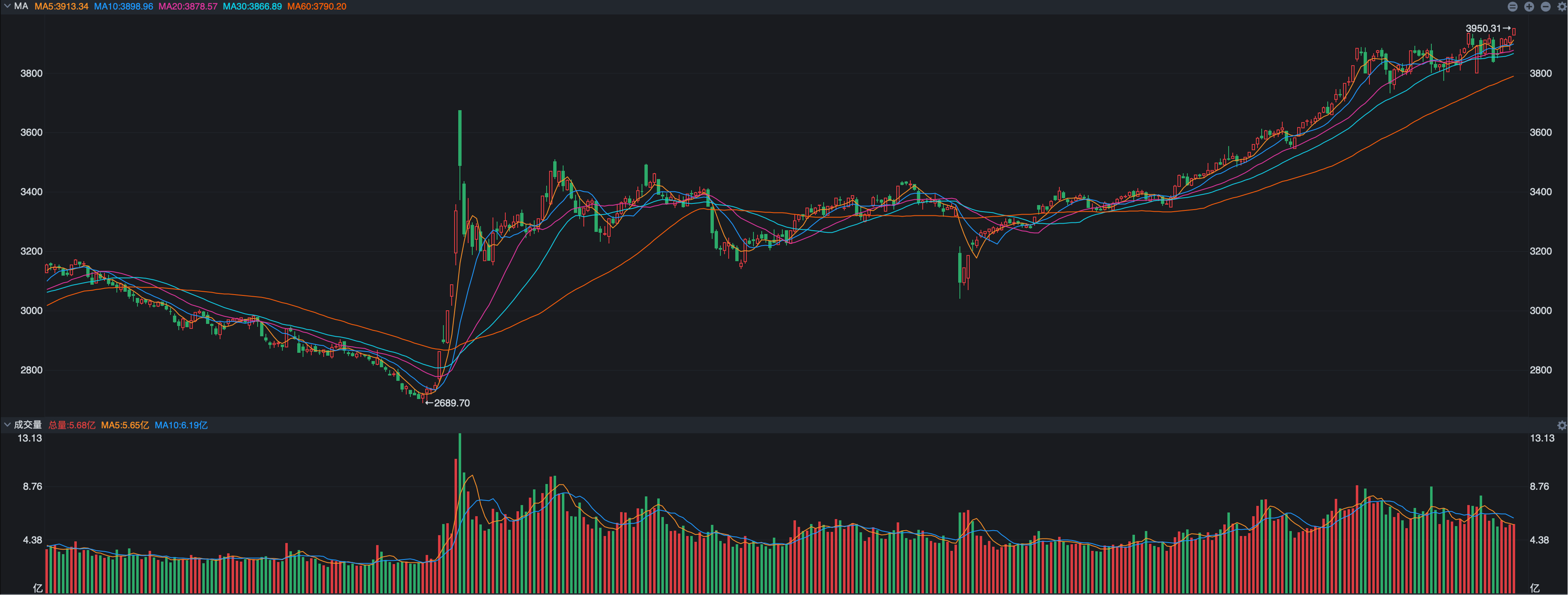
Core Viewpoint - The central economic work conference in 2025 emphasizes the continuous deepening of comprehensive reforms in capital market investment and financing, indicating a commitment to stabilize the stock market and enhance investor confidence [1][2]. Group 1: Market Stability and Investor Confidence - The A-share market has shown resilience and stability, with a total market value exceeding 100 trillion yuan, reflecting reasonable growth in both quantity and quality [1]. - The average investment return of listed insurance companies in A-shares increased by over 35% in the first three quarters of 2025, with a nearly 67% growth in the third quarter alone [1]. - The implementation of the "New National Nine Articles" has accelerated the entry of long-term funds into the market, indicating a positive trend for institutional investment [1]. Group 2: Policy Measures and Institutional Support - Various measures have been taken to enhance market stability, transitioning from emergency adjustments to a foundation-building approach [4]. - The central bank and regulatory bodies are focusing on maintaining the stability of financial markets, emphasizing the need for a proactive risk monitoring and expectation management system [6]. - The construction of a cross-departmental, institutionalized framework for risk assessment and policy alignment is highlighted as essential for future market stability [7]. Group 3: Long-term Investment and Market Dynamics - The trend of long-term capital entering the market is supported by policies encouraging value investment and market stability [4][5]. - The stock market has seen a positive cycle forming, with companies increasingly focusing on market value management through share buybacks and cash dividends [2]. - The total amount of dividends distributed by listed companies in Shanghai reached 1.81 trillion yuan from January to November 2025, a 2% increase year-on-year [2]. Group 4: Household Wealth and Consumption - The stability of the capital market is linked to increased household income through dividends and asset appreciation, which in turn boosts consumer confidence and spending [8]. - A survey indicates that households are diversifying their financial asset allocations, with a 53.6% holding rate in stocks and other financial products among families in first-tier cities [8]. - The current proportion of stocks and funds in household assets is about 15%, comparable to the level in the U.S. 30 years ago, indicating a growing awareness of wealth management among residents [8]. Group 5: Future Directions for Investment Institutions - The period of the 14th Five-Year Plan is seen as a strategic opportunity for deepening capital market reforms and enhancing investment institutions [9]. - Investment firms are encouraged to cater to diverse risk preferences and provide tailored products that support long-term and value investments [9]. - Regulatory policies will focus on differentiated supervision to promote the development of both large and small investment firms, ensuring a balanced market environment [10].
监管又开会了,这次释放了什么利好?
Sou Hu Cai Jing· 2025-10-25 03:56
Group 1 - The core focus of the recent meeting is to enhance the resilience and risk resistance of the capital market, cultivate high-quality listed companies, and improve the "long money long investment" market ecosystem [1][2] - The aim is to reduce market volatility and create a stable upward trend similar to the US stock market, where declines are less frequent [1] - The development of a high-quality group of listed companies is essential for establishing core competitiveness in the A-share market, akin to the "Seven Sisters" of the US tech sector [2] Group 2 - The "long money long investment" ecosystem is designed for long-term investment, which stabilizes the market during upward trends and acts during downturns, similar to a stabilization fund [2] - The recent A-share market behavior shows a shift towards a continuous effect of market stabilization, indicating the effectiveness of the "long-term stability" mechanism [4] - Maintaining a certain level of investment positions is deemed necessary, with a recommendation of at least 30% allocation, to navigate potential market fluctuations [5]