闪电战

Search documents
未知机构:国联民生策略周思考冲突持续升级市场需要等待原油见顶美以联-20260309
未知机构· 2026-03-09 02:15
Summary of Conference Call Notes Industry Overview - The notes discuss the impact of escalating conflicts in the Middle East, particularly the joint airstrikes by the US and Israel on Iran, which have led to significant disruptions in the Strait of Hormuz, affecting global oil and LNG transportation [1][2]. Key Points and Arguments 1. **Market Dynamics**: The market has shifted to an "event-driven" mode, where oil price movements are expected to directly influence market direction. A sustained increase in oil prices could lead to a rapid "Risk Off" scenario due to potential supply chain disruptions [1]. 2. **Conflict Escalation**: The expectation has shifted from a "lightning war" to a "protracted war," with military actions anticipated to continue for approximately four weeks, and Iran claiming it has over six months of high-intensity warfare capability [1][2]. 3. **Energy Sector Impact**: The shipping in the Strait of Hormuz has seen substantial stagnation, with insurers withdrawing coverage for the area, affecting about 20-25% of global oil transport and 20% of LNG transport [2]. 4. **Asset Price Outlook**: Three scenarios for asset price movements are outlined: - **Scenario One**: Quick resolution of the conflict leading to a peak and subsequent decline in oil prices, which would stabilize market liquidity and risk appetite [4][5]. - **Scenario Two**: Prolonged conflict with manageable intensity, resulting in fluctuating oil prices and a gradual increase in precious metals while risk assets remain volatile [5]. - **Scenario Three**: Long-term escalation of the conflict, leading to persistent high oil prices and a stagflation environment, with a risk of rapid declines in equity assets [6]. Additional Important Content - **Market Volatility**: The current market is experiencing tightening liquidity alongside constrained oil supply, leading to various asset classes, including equities and precious metals, facing downward pressure [3]. - **Equity Market Strategy**: The A-share market is in a medium volatility state, with expectations for a return to lower volatility levels before significant upward movement can occur. The correlation between A-shares and US stocks suggests that monitoring US market conditions could be beneficial for A-share strategies [7]. - **Investment Opportunities**: Short-term cyclical industries, particularly energy, are expected to enter a price increase cycle due to supply chain constraints. Conversely, sectors like aviation and social services may face pressure from rising costs and increased travel risks [9]. Conclusion - The ongoing geopolitical tensions and their implications for oil prices and market dynamics are critical for investors. The outlined scenarios provide a framework for understanding potential market movements and investment strategies in the current environment.
美国谈中美战争:发动闪电战将获得胜利,拖延则无一丝胜利可能
Sou Hu Cai Jing· 2025-12-19 08:09
Group 1 - The core argument of the articles revolves around the implications of the U.S.-China trade tensions and military strategies, highlighting the ineffectiveness of U.S. tariffs and the rising economic resilience of China [1][8] - The U.S. imposed tariffs as high as 125% on Chinese goods, which led to significant domestic inflation and a loss of nearly $6.5 trillion in market value within two days [1] - China's internal demand contribution to economic growth has increased to 60.5%, reducing its reliance on U.S. exports to 14.7% by 2024, showcasing a strategic shift towards self-sufficiency [1] Group 2 - The U.S. military's strategy of a rapid victory in potential conflicts with China is challenged by geographical and logistical disadvantages, as U.S. forces require longer deployment times compared to China's rapid mobilization capabilities [3][4] - The reliance on allies such as Japan, South Korea, and Australia for military support is complicated by their economic dependencies on China, making full-scale confrontation difficult [4][6] - The potential for nuclear deterrence limits the U.S.'s options for engaging in a full-scale war with China, necessitating a focus on conventional warfare strategies [4][8] Group 3 - The U.S. military is adjusting its training to enhance joint operational capabilities in response to the complexities of potential conflicts with China, although current integration remains a challenge [6] - Historical precedents of U.S. military engagements suggest a pattern of overestimating the feasibility of quick victories, which could lead to prolonged conflicts [8] - China's advancements in military technology and its established anti-access/area denial (A2/AD) capabilities pose significant challenges to U.S. naval power in the Asia-Pacific region [8]


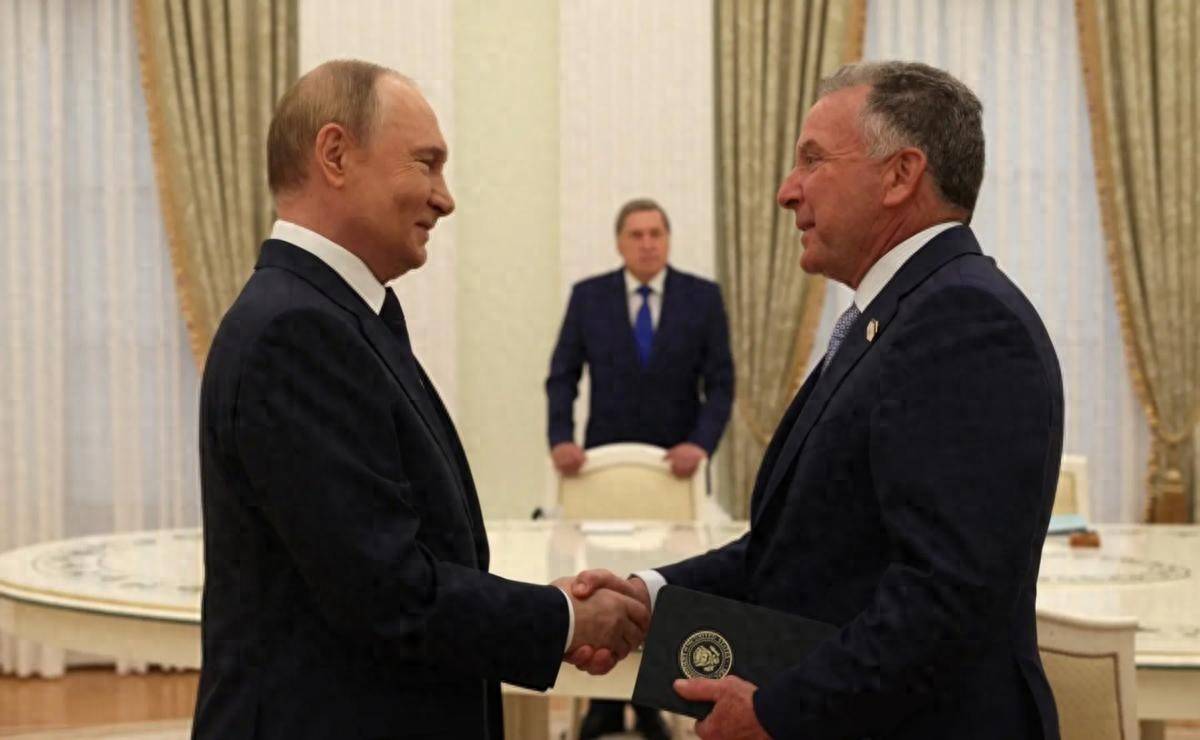
耐心耗尽,普京向欧洲发出最严厉警告,只要开打就是闪电战
Sou Hu Cai Jing· 2025-12-06 05:59
Group 1 - The core message of the article highlights the escalating tensions between Russia and Europe, particularly in the context of military preparedness and diplomatic negotiations regarding Ukraine [1][6][10] - President Putin's remarks indicate a strong stance against European military expansion, which he perceives as a direct threat to Russia's security [3][4][16] - The article suggests that Europe's military actions, including increased defense budgets and arms purchases, are seen as provocative by Russia, potentially leading to a rapid military response if provoked [8][12][14] Group 2 - The article discusses the implications of Europe's involvement in the Ukraine conflict, suggesting that European nations are using Ukraine as leverage to secure U.S. support while failing to take responsibility for their own security [10][14][17] - It notes that the European Union's financial aid to Ukraine, primarily sourced from frozen Russian assets, raises legal concerns and may not be sustainable in the long term [12][16] - The ongoing conflict is portrayed as detrimental to ordinary citizens, with a call for Europe to prioritize genuine negotiations over military posturing to avoid further escalation [17]
中日博弈背后:美国的棋子算计,特朗普的亚洲战略究竟是什么?
Sou Hu Cai Jing· 2025-12-05 15:11
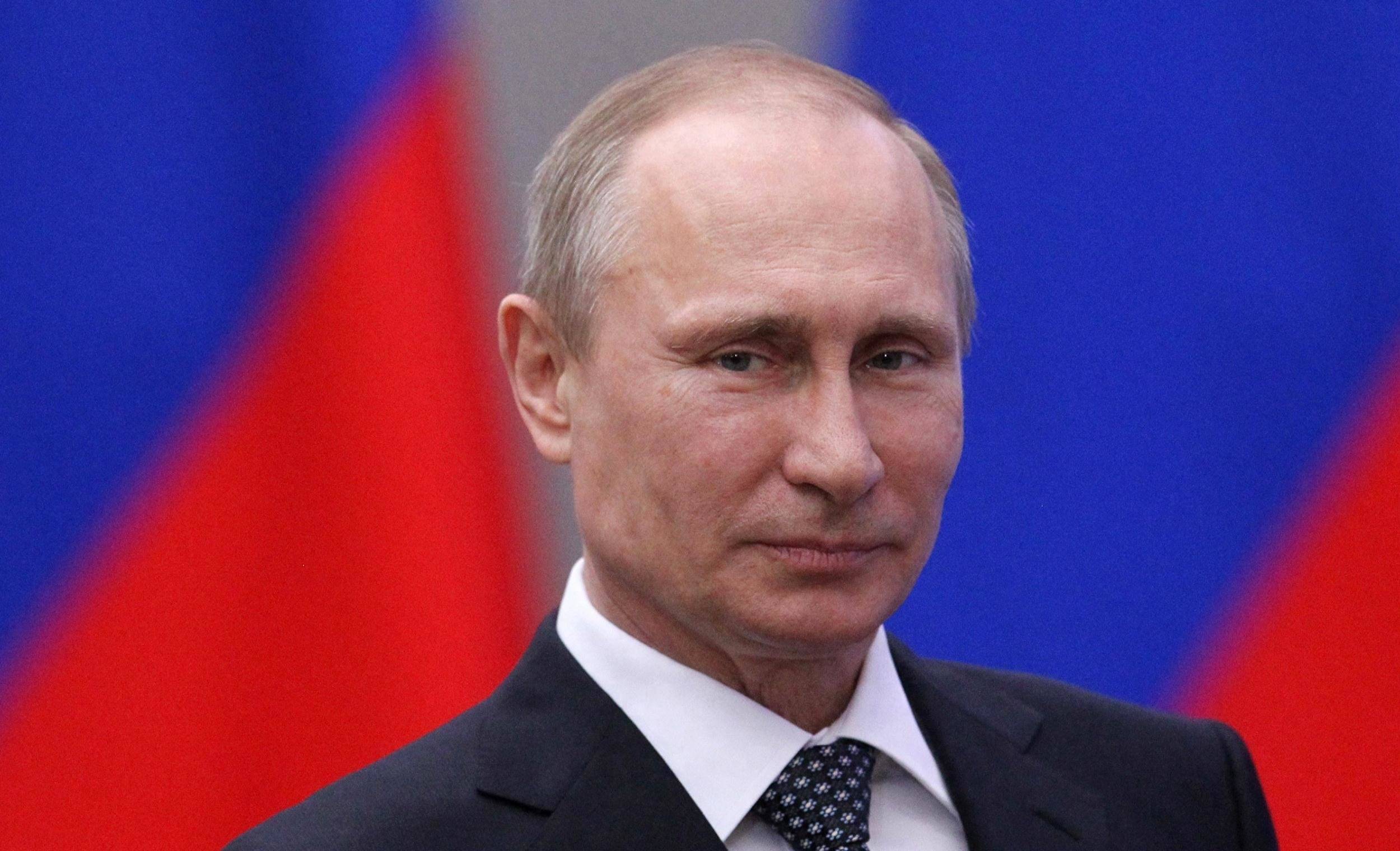
Group 1 - The article discusses the escalating tensions between China and Japan, suggesting that the U.S. may be influencing Japan's actions, with Trump’s strategy indicating a desire to maintain distance from direct involvement [1][3] - The U.S. aims to use Japan as a pawn in a strategy similar to the Ukraine conflict, hoping to prolong a potential conflict to slow down China's development while revitalizing its own manufacturing sector [5][10] - The U.S. has a history of adopting a neutral stance in conflicts, as seen in the Ukraine situation, and is likely to do the same in Northeast Asia, while still supplying arms to both sides [8][10] Group 2 - The article highlights that Japan's geographical position as an island presents logistical challenges for external support, giving China a potential advantage in a conflict scenario [16][18] - China's military capabilities, including advanced aircraft carriers and missile systems, are positioned to effectively counter any threats from Japan and the U.S. [18][22] - The article emphasizes China's strategy of rapid engagement in conflict, learning from past experiences, and ensuring a swift resolution to avoid prolonged warfare [25] Group 3 - The Japanese government is increasing its defense budget, reflecting heightened tensions and preparations for potential conflict, with a historical high of 7.9 trillion yen in 2024 [27] - There is a noticeable trend of Chinese nationals in Japan beginning to evacuate due to rising tensions, indicating a growing sense of urgency and concern among the expatriate community [28][30] - The article concludes that despite fears of a drawn-out conflict, China's military readiness and strategic planning position it to maintain control and avoid a war of attrition [30]
耐心耗尽,普京向欧洲发出最严厉警告:只要开打就是闪电战
Sou Hu Cai Jing· 2025-12-05 05:10
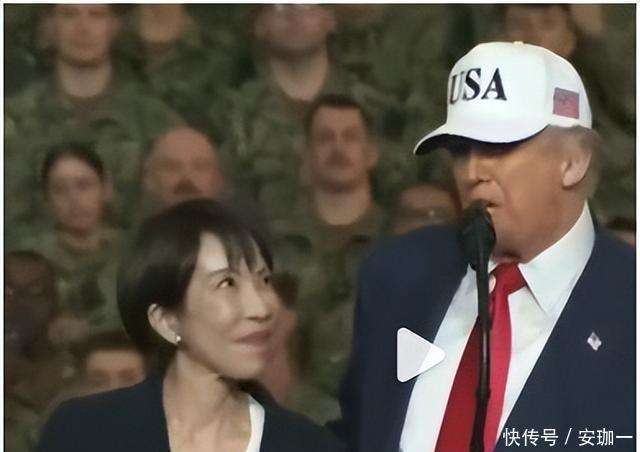
Core Points - The ongoing Russia-Ukraine conflict shows no signs of resolution, with recent talks between Putin and a US envoy yielding disappointing results [1][3] - Putin's strong warnings indicate a readiness for rapid military action if European interference continues, suggesting a shift in the dynamics of the conflict [8][10] - The complexity of the situation involves multiple parties with conflicting interests, making negotiations increasingly difficult [11][15] Group 1: Diplomatic Efforts - The recent high-level talks involved significant figures from both sides but resulted in minimal progress on key issues like territorial claims and security guarantees [3][6] - Despite claims of constructive dialogue, the meeting was more of a preliminary contact rather than a genuine negotiation [3][10] - The frequency of diplomatic visits has not translated into meaningful outcomes, highlighting the challenges in resolving the conflict [6] Group 2: Strategic Implications - Putin's statements reflect a clear strategic intent, emphasizing that continued European interference complicates the potential for a peace agreement [10][22] - The demands from Russia for Ukraine to demilitarize and remain neutral are seen as non-negotiable, creating a significant impasse [11][15] - The evolving role of Europe in the conflict raises concerns about their preparedness and ability to respond effectively to potential escalations [17][21] Group 3: Broader Geopolitical Context - The situation has transformed from a bilateral conflict to a complex multilateral standoff, with each party defending its own interests [11][15] - The US faces a dilemma in balancing its desire for peace with the need to support European and Ukrainian positions, complicating the negotiation landscape [14][15] - The stakes are high for all parties involved, with implications for national security and international credibility [22]