
隐形资助

Search documents
帮扶也可“不打扰”
Xin Lang Cai Jing· 2026-01-17 23:55
Core Insights - The article discusses a new form of "invisible assistance" provided to students at universities in Fujian, such as Xiamen University, where students received unexpected financial support without needing to apply for it, thus reducing psychological pressure [1][2] - This approach utilizes data analysis to identify students who may need help based on their dining habits, allowing for more precise and compassionate support [2][3] - The initiative reflects a shift from traditional assistance methods to a more data-driven, humane approach that aims to support students without stigmatization [3] Group 1 - The "invisible assistance" program provides financial support to students based on their low dining expenditures, with amounts varying from 300 to 800 yuan [1] - This method avoids the traditional application process, which often requires students to disclose personal hardships, thus protecting their dignity [1][2] - The program is being adopted by multiple universities in Fujian, indicating a broader trend in higher education towards compassionate support systems [1][2] Group 2 - Xiamen University employs data analysis to identify students with low meal expenditures, ensuring that assistance is targeted and effective [2] - The initiative represents a technological innovation in student support, moving from experience-based judgments to data-driven insights [2] - Other universities, like Fujian Normal University and Dalian University of Technology, are also implementing similar support measures, such as direct financial aid and clothing donations, to assist students without intrusive processes [2] Group 3 - The article emphasizes the importance of balancing technology with human compassion in student assistance programs, suggesting that data alone cannot fully capture a student's needs [3] - It highlights the necessity for educational institutions to rethink their approach to aid, focusing on genuine support rather than merely transactional assistance [3] - The narrative encourages a deeper humanistic approach in education, where technology serves to enhance, rather than replace, personal care and understanding [3]
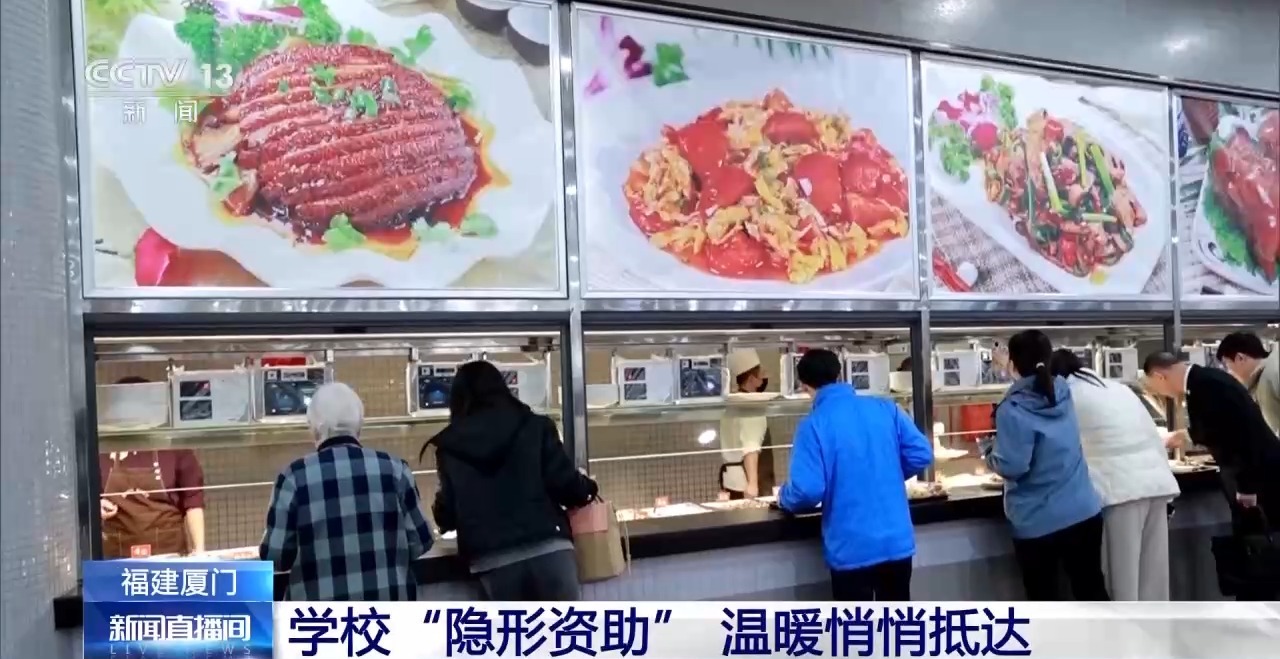
“发现你最近吃得少……” 厦大“隐形资助”暖哭学子
Yang Shi Xin Wen· 2026-01-13 09:08
Group 1 - The core initiative of Xiamen University is the "invisible assistance" program, which provides financial support to students without requiring them to apply, based on data analysis of their spending habits [1][4] - The program targets students who have lower than average spending in the school cafeteria, with financial aid amounts categorized into three tiers: 800 yuan, 500 yuan, and 300 yuan [3][4] - The university utilizes big data to identify students in need, followed by verification from counselors to finalize the list of beneficiaries [3][4] Group 2 - Many students who received assistance expressed gratitude through messages on school platforms and social media, highlighting the warmth of the support [6] - The initiative has fostered a sense of belonging and recognition among students, encouraging them to give back to society in the future [8][10] - The program has been positively received, enhancing the emotional connection students feel towards Xiamen University [10]

饭卡里突然多600元 看到短信才知道 原来是……
Xin Lang Cai Jing· 2026-01-10 07:06
Group 1 - The core idea of the news is the implementation of a proactive and precise financial aid model by Zhejiang University of Finance and Economics (ZUFEC), which has provided unexpected financial support to students through a smart assistance system [1][2] - ZUFEC has established a dynamic monitoring and analysis model that automatically issues meal subsidies to students with abnormally low daily consumption and provides winter assistance during cold weather, benefiting over 2,400 students with a total funding of approximately 950,000 yuan [1] - The university has developed a multi-dimensional growth support system focusing on five core areas: learning ability, research literacy, personal interests, international perspective, and value guidance, enabling over 10,000 students to benefit from various developmental projects [1] Group 2 - A "support-growth-repay" cycle is being actively promoted, with 54 student ambassadors traveling over 30,000 kilometers across more than 50 counties to raise awareness about financial aid programs [2] - The program emphasizes emotional connection and experience sharing, with former beneficiaries training new ambassadors on how to communicate financial aid policies effectively to rural parents [2] - The student ambassadors share their personal growth stories to illustrate the significance of being supported and in turn supporting others, enhancing community engagement [2]
壹快评丨别让公开的善意,成为私下的负担
Di Yi Cai Jing· 2025-12-26 12:13
Core Viewpoint - The article emphasizes the importance of respecting the dignity of beneficiaries in aid programs, advocating for a more discreet and respectful approach to assistance that avoids public scrutiny and pressure on recipients [1][2]. Group 1: Innovative Assistance Models - Zhejiang University of Finance and Economics has implemented a "smart assistance model" that identifies students in need through data analysis, allowing for discreet support without public disclosure [1]. - This model has helped over 2,400 students and distributed approximately 950,000 yuan in aid, demonstrating a successful application of technology in social support [1]. Group 2: Ethical Considerations in Aid - The article highlights the ethical principle of maintaining the dignity of beneficiaries, suggesting that aid should focus on the recipient's needs and respect their privacy and autonomy [2]. - It argues against public displays of gratitude from beneficiaries, asserting that expressions of thanks should be voluntary and not coerced by the aid providers [2]. Group 3: Broader Implications - The discussion points to a growing recognition of the need for aid that is both effective and respectful, particularly during critical times for vulnerable groups [3].